Good House Temp For Winter
Why is finding your ideal winter house temperature such a fun and useful topic? Well, it's all about that perfect balance of cozy comfort without breaking the bank! As the days get shorter and the wind starts to nip, there's nothing quite like stepping into a home that feels just right. It's that sweet spot between being too chilly and feeling like you're baking a holiday ham – a common winter quest we all think about.
For beginners just getting the hang of their thermostat, understanding a good baseline temperature can be a revelation. No more guessing games or shivering under a blanket! You'll learn how a few degrees can make a huge difference in both comfort and cost. Families, on the other hand, benefit immensely from striking this balance. Keeping toddlers warm without overheating teenagers, and managing the heating bill, becomes less of a headache. And for the energy-savvy hobbyists out there, optimizing your winter temperature isn't just about comfort; it's maximizing efficiency, perhaps even diving into smart thermostat programming. It's about taking control of your home's microclimate for a healthier, happier living space.
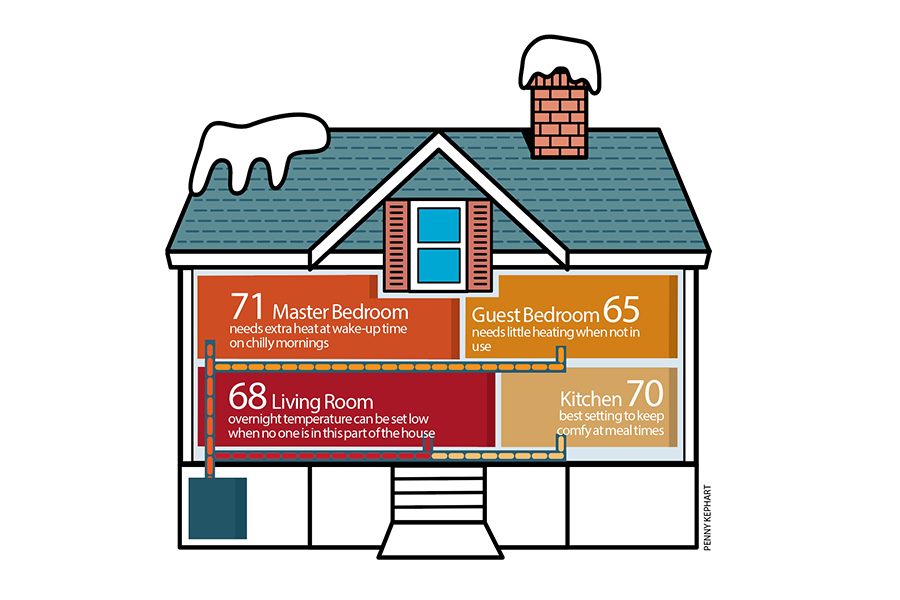
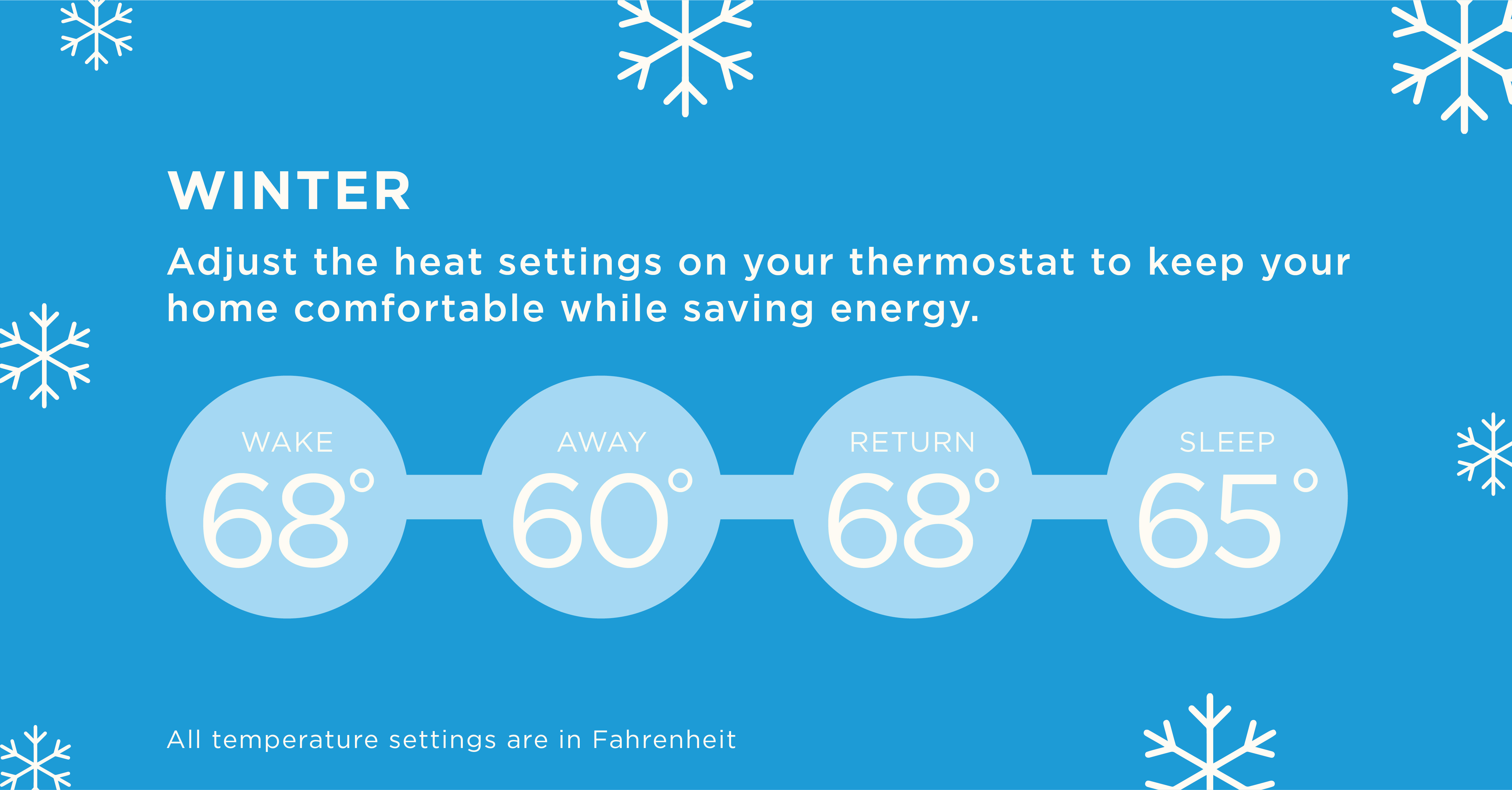
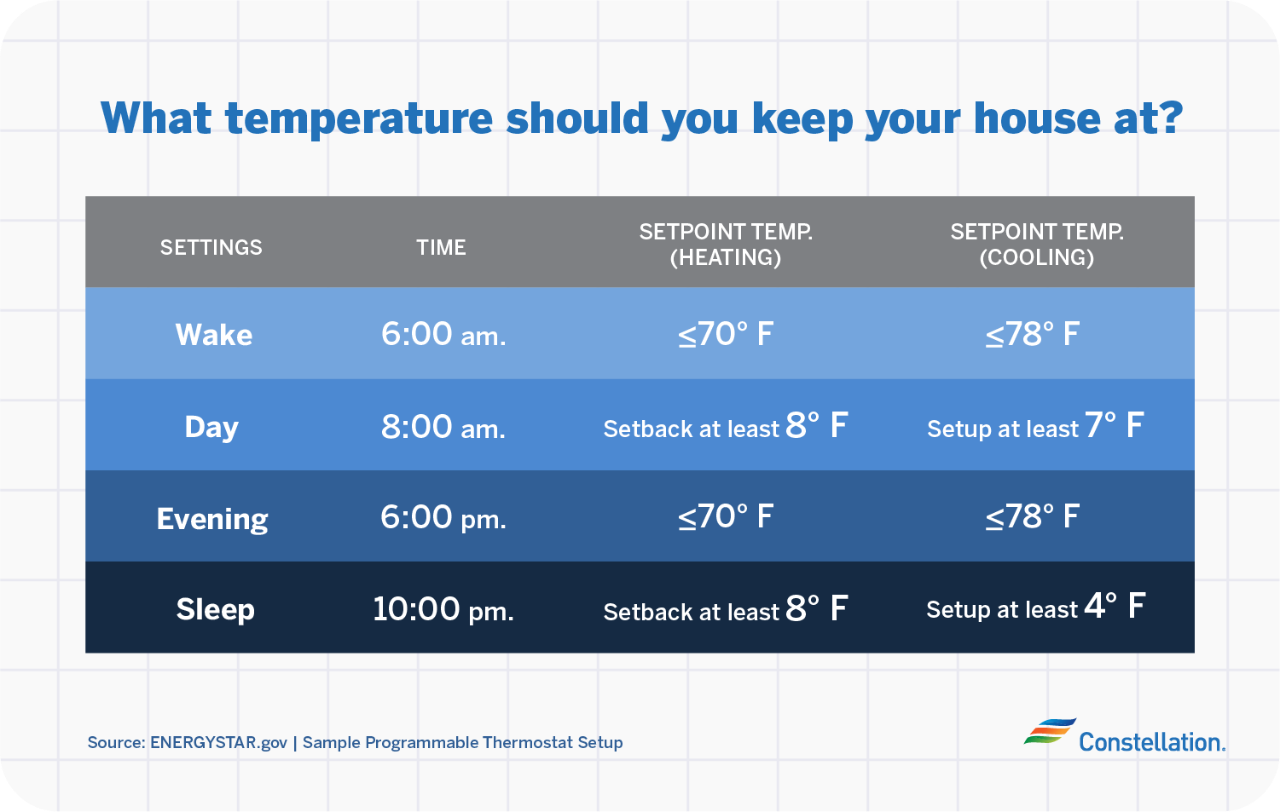
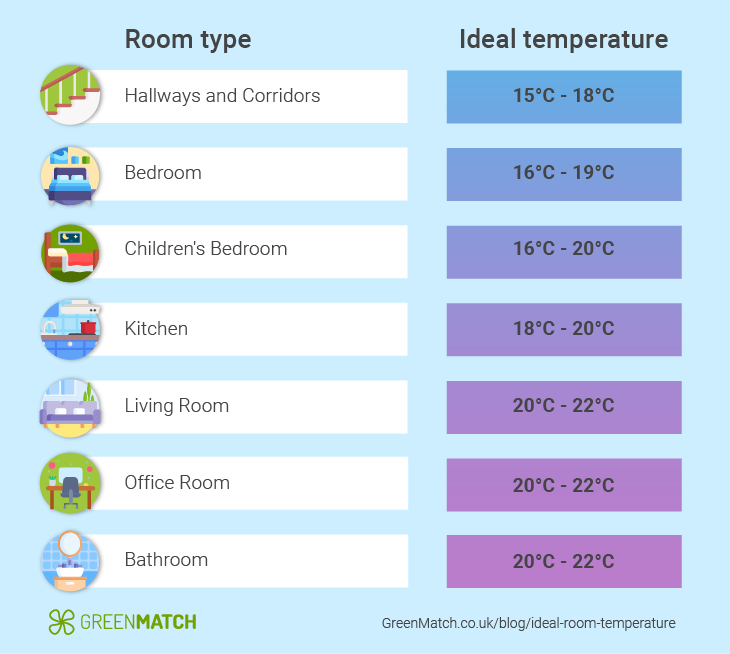
So, what is a good house temperature? There's no single magic number, as it really depends on your household's preferences and activities. Many experts suggest aiming for around 68-70°F (20-21°C) during the day when you're active. But what about when you're sleeping? Most people find a slightly cooler temperature, perhaps 65°F (18°C), promotes better sleep. If you're going to be out of the house for an extended period, you can drop it further, maybe to 60-62°F (15-17°C), to save energy without letting your pipes freeze. Factors like age also play a role; elderly residents or infants might need slightly warmer environments, so it's essential to consider everyone's comfort and health. Experiment to find what works best for your home and your family's unique rhythm.
Must Read
Ready to find your ideal winter temperature? Here are some simple, practical tips. First, start with a baseline: set your thermostat to 68°F during the day and see how it feels. If you're a little chilly, grab a sweater before nudging the thermostat up a degree. Second, remember the power of layering – both for yourself and your home! Cozy blankets, thick socks, and warm clothing can make a cooler room feel perfectly comfortable. Third, tackle those sneaky drafts. Seal leaky windows and doors with weatherstripping or caulk; you'd be amazed how much warmth escapes. Fourth, if you have a programmable or smart thermostat, set a schedule. This automates temperature changes for when you're asleep or away, saving you money without sacrificing comfort. Finally, open your curtains and blinds on sunny winter days to let in natural warmth, and close them at night to trap heat inside.
Finding your ideal winter house temperature isn't just about numbers on a thermostat; it's about crafting a home that feels like a warm hug on a cold day. It’s about being comfortable, saving a little money, and enjoying the peace of mind that comes with an efficient, cozy living space. So go ahead, experiment, tweak, and discover the perfect warmth that makes your winter truly wonderful.