
Getting Rid Of Dust In House
Okay, confession time. I had this moment just last week. The sun was streaming through the window, all golden and warm, hitting a particular spot in the living room. It was beautiful, really. Until I saw it. Not just a few specs, but what looked like an entire galaxy of tiny, shimmering particles dancing in that beam of light. A slow, silent disco of... well, dust.
My first thought was, "But I just cleaned!" My second thought, as I watched a particularly enthusiastic clump drift by, was, "Where does it all even come from? Is my house just perpetually generating tiny fuzzballs out of thin air?" It’s an age-old mystery, isn't it?
That little moment of sun-dappled revelation got me thinking. We battle dust constantly, armed with sprays and cloths, yet it always, always returns. It’s like the universe's most persistent, least threatening villain. So, instead of just resigning ourselves to a life of microscopic glitter, let’s get a bit tactical. How do we actually, truly, get rid of dust in our houses, or at least wrangle it into submission?
Must Read
What Even Is This Stuff? (Spoiler: It's Us!)
First things first, let's peek behind the curtain. Dust isn't just magic fairy glitter (though sometimes, in the right light, it sure looks like it). It's a charming cocktail of things. Think bits of dead skin (yours, your family's, your pets' – delightful!), fabric fibers from clothes and carpets, tiny fragments of soil and pollen that drift in from outside, and even microscopic particles from cooking or burning candles.
Basically, your house is a tiny ecosystem, and dust is just part of the circle of life. Knowing its composition helps us understand why it’s so darn hard to get rid of completely. It’s a mix of light, floaty things and slightly heavier, clingy things.
Why Bother Beyond the 'Ew' Factor?
Apart from the obvious aesthetic downsides – nobody wants a furry TV screen – there are health reasons to keep dust at bay. For anyone with allergies or asthma, dust is a major trigger. Those tiny particles can irritate your airways, leading to sneezes, coughs, and general misery. Even if you don't have allergies, breathing in less particulate matter is just, well, nicer for your lungs, right?

So, let's get down to business. This isn't about achieving a hermetically sealed, dust-free bubble (good luck with that!). It's about managing it effectively and making your home a healthier, happier place to be.
Your Dust-Busting Arsenal: The Right Tools & Mindset
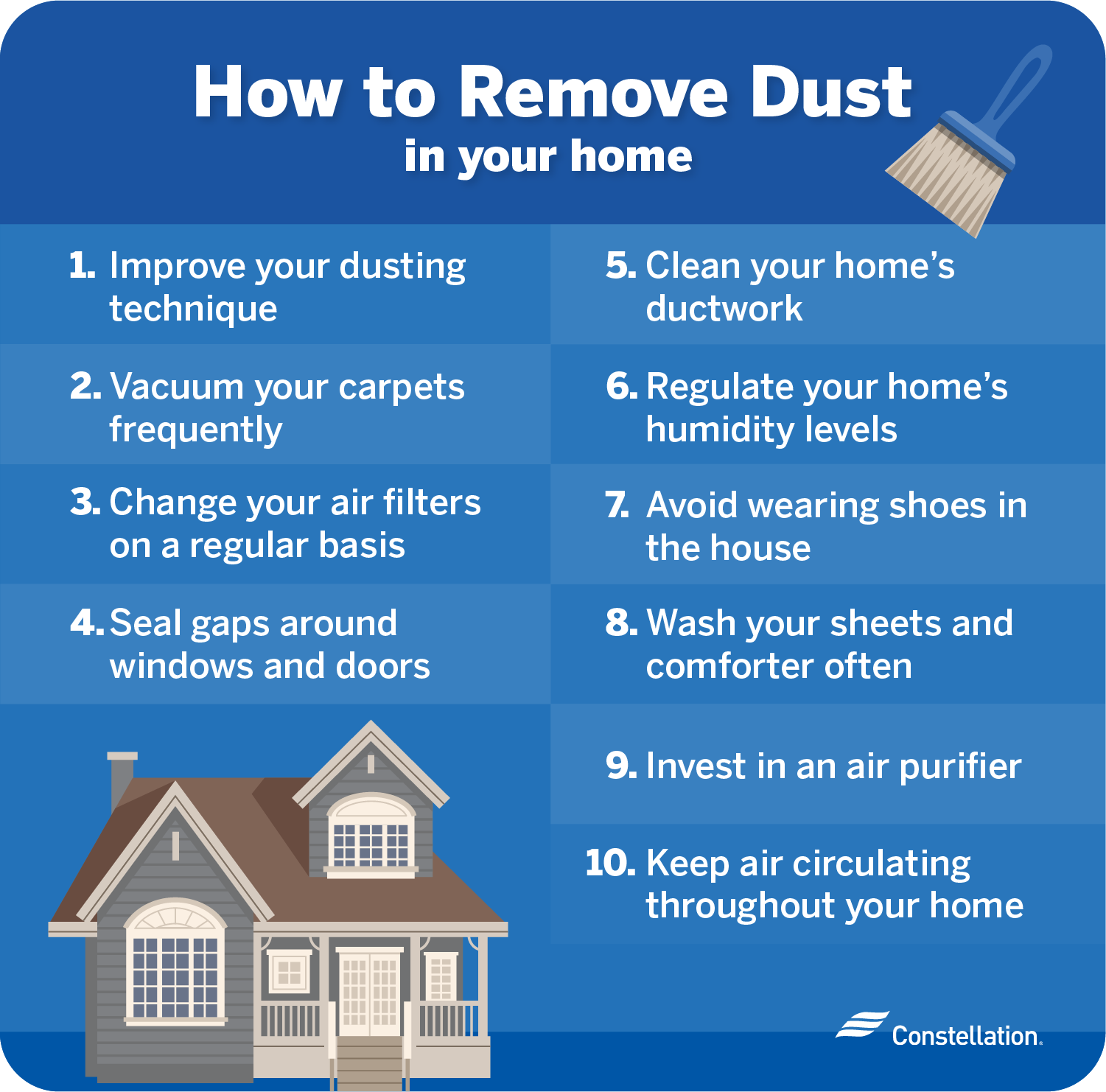
Forget the feather duster. Seriously. Are you still using those fluffy things that just push dust around? Bless your heart. Those lovely decorative dust-spreaders are great for looking fancy, but terrible for actual dust removal.
Your new best friend is the microfiber cloth. These babies are magic. They have tiny fibers that grab onto dust and trap it, rather than just shooing it into the air for it to settle somewhere else. Use them slightly damp for an even better grip. Or, a simple damp cotton cloth works wonders too.

The Golden Rule: Top Down
This might seem obvious, but it's often overlooked. Always, always start dusting from the highest points in a room and work your way down. Ceilings, fan blades, tops of bookshelves, then lower shelves, furniture, and finally the floor. Otherwise, you're just dusting the same dust twice. Been there, done that, felt silly.
Don't Forget the Hidden Dust Bunnies!
Dust isn’t just on flat surfaces. It loves to hide. Think about these often-forgotten spots:
- Lampshades: They get surprisingly dusty.
- Blinds and Curtains: Give them a regular wipe or vacuum with an attachment.
- Electronics: TV screens, computer monitors, keyboards – static electricity is a dust magnet! Use a specialized screen cleaner or a dry microfiber cloth.
- Baseboards and Vents: Ever looked at your baseboards under a certain light? Surprise!
- Behind/Under Furniture: Yes, you might need to move that couch sometimes.
Vacuuming: More Than Just Floors
Your vacuum cleaner is a powerful ally, but make sure it’s equipped for the job. A vacuum with a HEPA filter is a game-changer, as it traps fine particles rather than blowing them back into the air. And use those attachments! Seriously, they’re not just for show.

Use the brush attachment for upholstery, curtains, and even those dusty lampshades. The crevice tool is perfect for getting into tight spots like between cushions or along baseboards. Your couch, my friend, is a dust magnet.
Air Quality: A Breath of Fresh Air
Consider your home's air quality. Your HVAC system's filter is your first line of defense. Change it regularly (every 1-3 months, depending on pets and allergies) to prevent dust from circulating throughout your home. A clean filter also means your system runs more efficiently. Win-win!
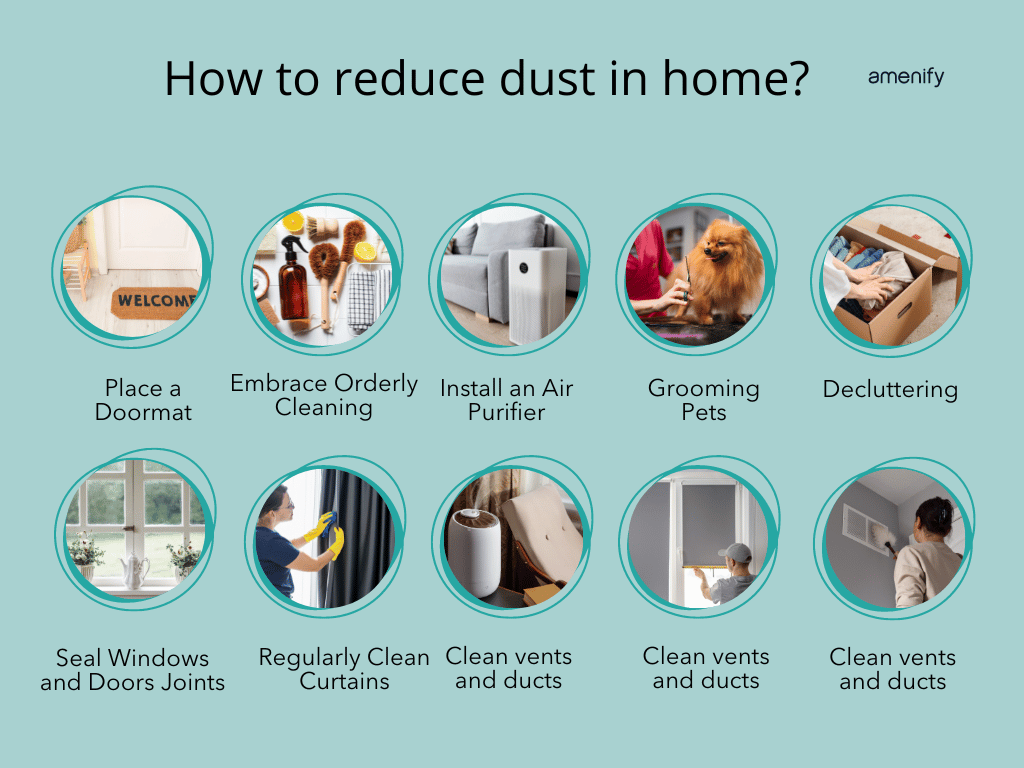
An air purifier with a HEPA filter can also make a significant difference, especially in bedrooms or living areas where you spend a lot of time. It's like giving your lungs a spa day.
.png)
Laundry Day & Decluttering
Those comfy sheets are also a five-star hotel for microscopic critters and dust. Wash bedding frequently (at least once a week) in hot water to dispatch dust mites and their allergens. Similarly, regular washing of throws, pet beds, and even certain curtains can cut down on dust.
Finally, the less stuff you have out, the fewer surfaces there are for dust to settle. That pile of magazines you haven't touched in months? The knick-knacks that just collect dust? A perfect excuse to finally tackle that "miscellaneous" pile and simplify. Less clutter means easier, faster dusting!
Getting rid of dust completely is probably a mythical quest. But by being strategic with our tools, our approach, and keeping an eye on those sneaky hiding spots, we can definitely win the battle more often than not. Go forth and conquer (or at least manage) the dust in your home. Your lungs (and your sunny living room) will thank you.