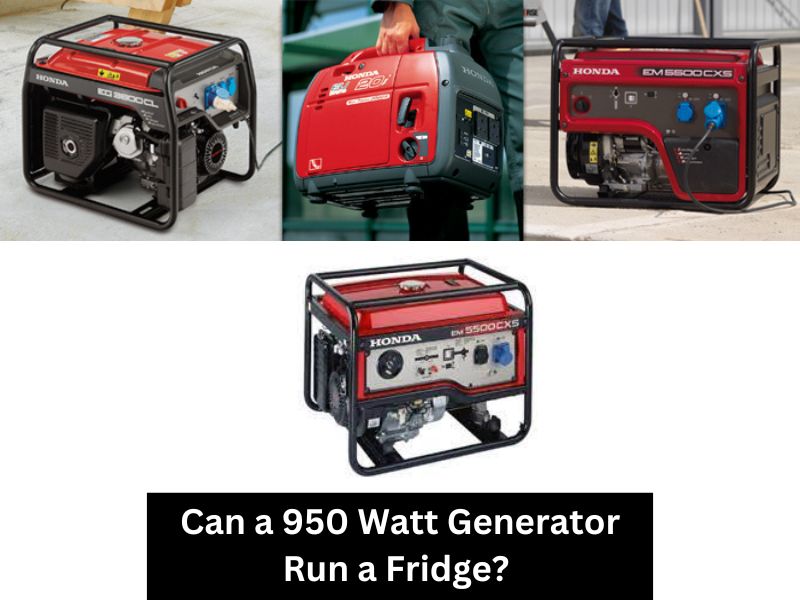
Generator How Many Watts To Run A Refrigerator
Okay, so picture this: power's out. Again. Living out in the sticks, you get used to it, right? Last time, the milk went sour, the ice cream turned to soup, and frankly, my patience was wearing thin. I swore I'd be prepared next time. Enter, the generator. But which one? It's like navigating a minefield of wattage and amps... which leads me to the golden question: How many watts do I actually need to keep my fridge running?
That's what we're digging into today. Forget the technical jargon (mostly). I'm going to break down how to figure out what size generator you need to rescue your precious groceries from the abyss of room temperature. And, yeah, maybe charge your phone too. Priorities, people!
Understanding Wattage: It's Not Rocket Science (But Close)
First things first, let's talk watts. Watts are basically the units that measure electrical power. Think of it like...calories for your appliances. More power-hungry appliances need more watts to run.
Must Read
Now, your refrigerator has two main wattage numbers to consider: starting wattage and running wattage. The starting wattage is the surge of power your fridge needs to kick on the compressor. It's a quick burst, but it's significantly higher than the running wattage, which is the power it uses to keep things cool once it's up and running. (See what I did there?).
So, why is this important? Because your generator needs to be able to handle both the starting surge and the continuous running power of your fridge. A generator that's too small will simply overload and shut down. No one wants that. Believe me. No one.
Finding the Magic Numbers: Your Fridge's Wattage
Alright, detective time! You need to find the wattage information for your refrigerator. There are a few places to look:
- The Manufacturer's Label: This is usually located on the back of the fridge, inside the door, or sometimes in the owner's manual. Look for a label that lists the voltage (usually 120V in North America) and the amperage (amps).
- The Owner's Manual: If you're lucky enough to still have it, the manual will typically have the wattage information listed.
- Online Search: If all else fails, try searching online for the model number of your fridge. You might be able to find the specs on the manufacturer's website or other appliance retailers.
Once you find the amperage (amps), you can calculate the wattage using this simple formula: Watts = Volts x Amps. So, if your fridge says 120V and 5 amps, the running wattage is 600 watts. Easy peasy.
Now, for that pesky starting wattage. This is usually 2 to 3 times the running wattage. So, in our example, the starting wattage could be anywhere from 1200 to 1800 watts. (Yeah, that's a big jump. Nature of the beast.)
Choosing the Right Size Generator: Don't Be Underpowered!
Okay, you've got your wattage numbers. Now it's time to pick a generator. The golden rule is to always err on the side of caution. It's better to have a generator that's slightly too powerful than one that's too weak. Why? Because you might want to run other things too!
Here's the breakdown:

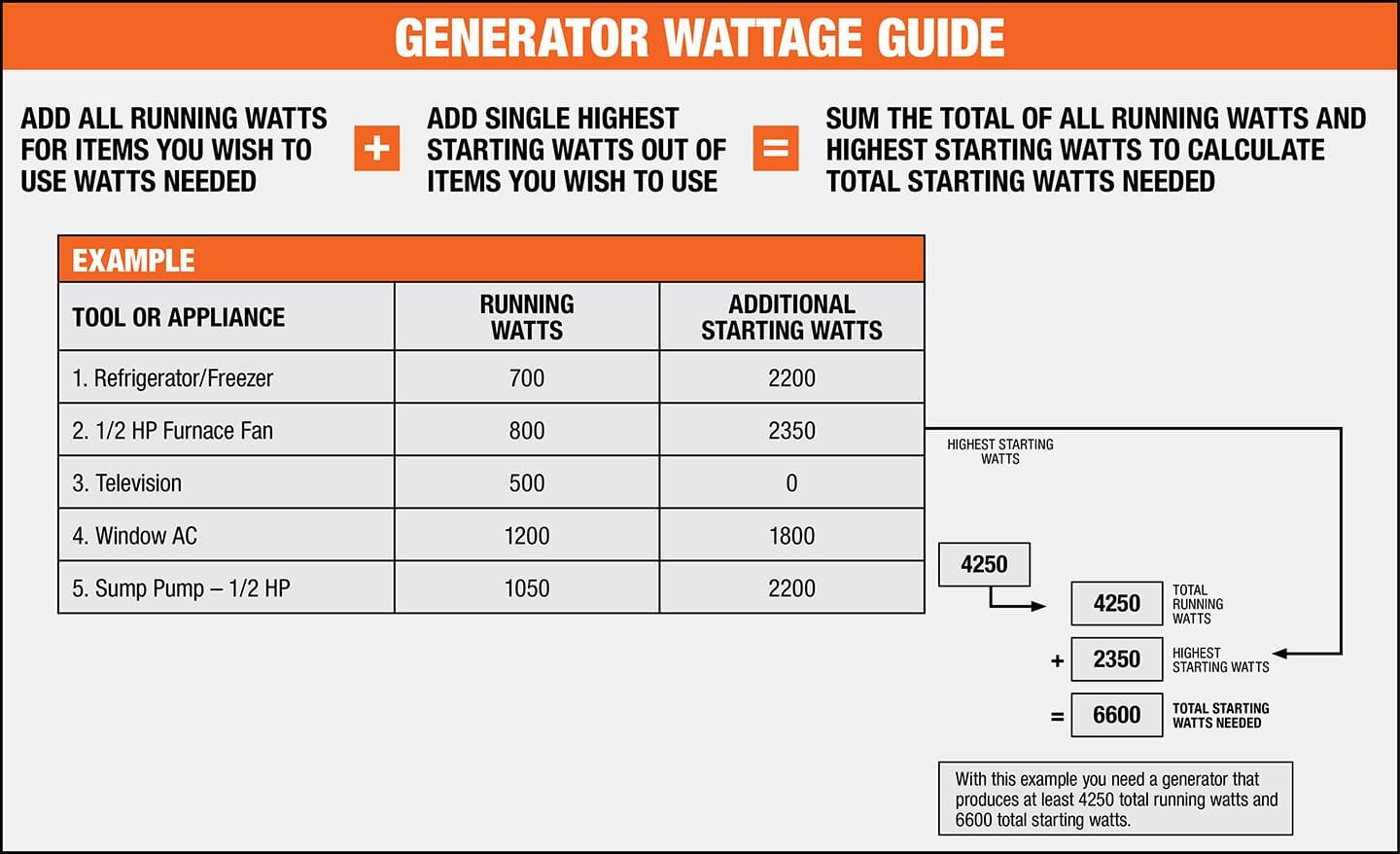
- Calculate Total Starting Watts: Take the starting wattage of your fridge (let's say 1800 watts) and add it to the running wattage of any other essential appliances you might want to run simultaneously (lights, phone charger, fan, etc.). Let's say those add up to another 300 watts starting. Total starting watts = 2100 watts.
- Calculate Total Running Watts: Add the running wattage of your fridge (600 watts) to the running wattage of your other appliances (let's say 200 watts running). Total running watts = 800 watts.
- Choose a Generator: Look for a generator that has a starting wattage capacity of at least 2100 watts and a continuous running wattage capacity of at least 800 watts. Ideally, you want a little headroom, so a generator with a starting wattage of 2500 watts and a running wattage of 1000 watts would be a good choice.
Remember, these are just examples. Your mileage may vary! Always double-check your appliance wattages before making a purchase. You don't want to end up with a generator that can't handle the load, leaving you back at square one (and with a freezer full of melted disappointment).
Pro-Tip: Consider investing in a generator with an automatic voltage regulator (AVR). This helps to stabilize the voltage output, which can protect your sensitive electronics from damage. Nobody wants fried circuits, right?
So there you have it. A (hopefully) simple guide to figuring out what size generator you need to keep your refrigerator humming along during a power outage. Now you can go forth and conquer those blackouts with confidence (and a well-chilled beverage). Good luck!