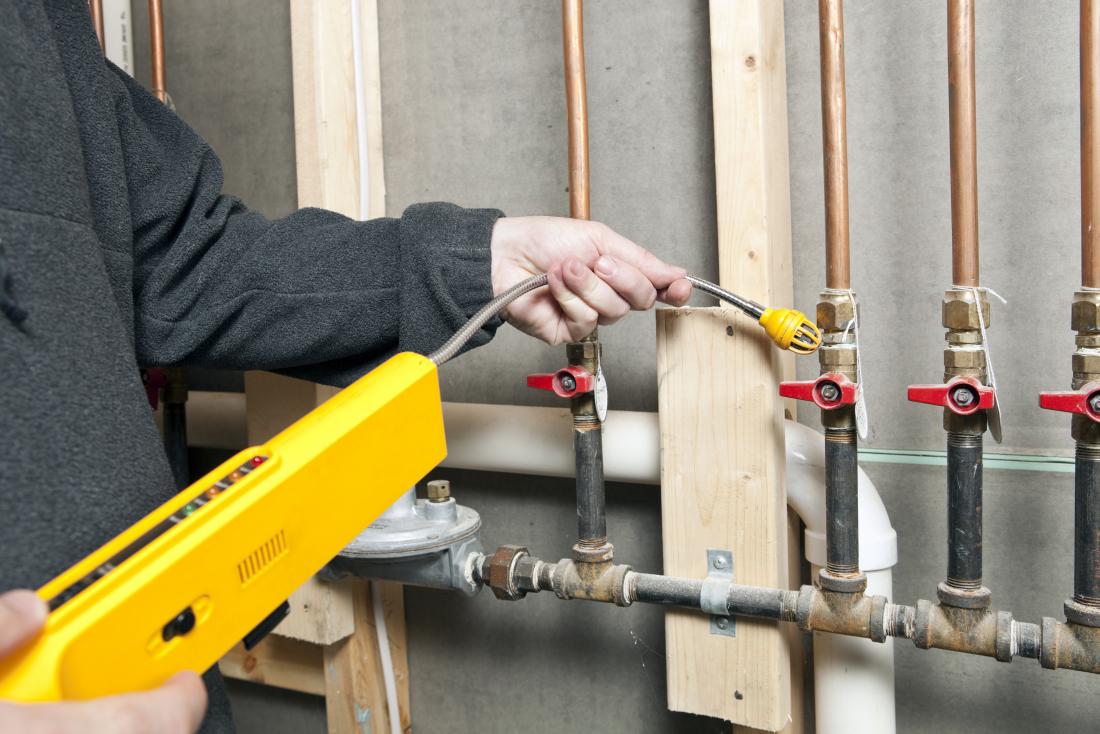
Gas Water Heater Gas Leak

Alright, let's chat about something that sounds a bit heavy but really doesn't have to be: your gas water heater and the tiny, potentially stinky issue of a gas leak. We're talking about that unsung hero in your basement or utility closet, quietly working its magic to give you those blissful hot showers. Until, maybe, it decides to get a little… theatrical.
The Unsung Hero Who Might Be Getting a Bit Gassy
Picture this: It's morning. You're groggy. All you want is that glorious, steamy shower to kickstart your day. Your water heater? It’s usually just there, a silent, humble servant. You probably ignore it 99% of the time. It's like that reliable friend who never asks for anything, until one day they show up with a really weird vibe. That "weird vibe" could be a gas leak, and trust me, it’s not trying to be subtle.
We're talking about a very specific, rather memorable smell here. It's not just "odd" or "a bit off." It’s the kind of smell that makes your nose scrunch up and your brain immediately go, "What in the world?!"
Must Read
That Funky Smell: Your Nose Knows!
Natural gas, in its pure form, is actually odorless. But thankfully, the clever folks at the gas company add a pungent chemical called mercaptan to it. Why? So you can smell it! They've basically given gas an olfactory alarm system. And what does it smell like, you ask? Think rotten eggs. Not just a little bit rotten, like you forgot them in the back of the fridge. More like a science experiment gone wrong, or perhaps the byproduct of an alien breakfast.
If you're catching a whiff of this particular perfume around your water heater, or really, anywhere in your house, your nose is trying to tell you something super important: "Hey, buddy, we've got a potential gas leak!"
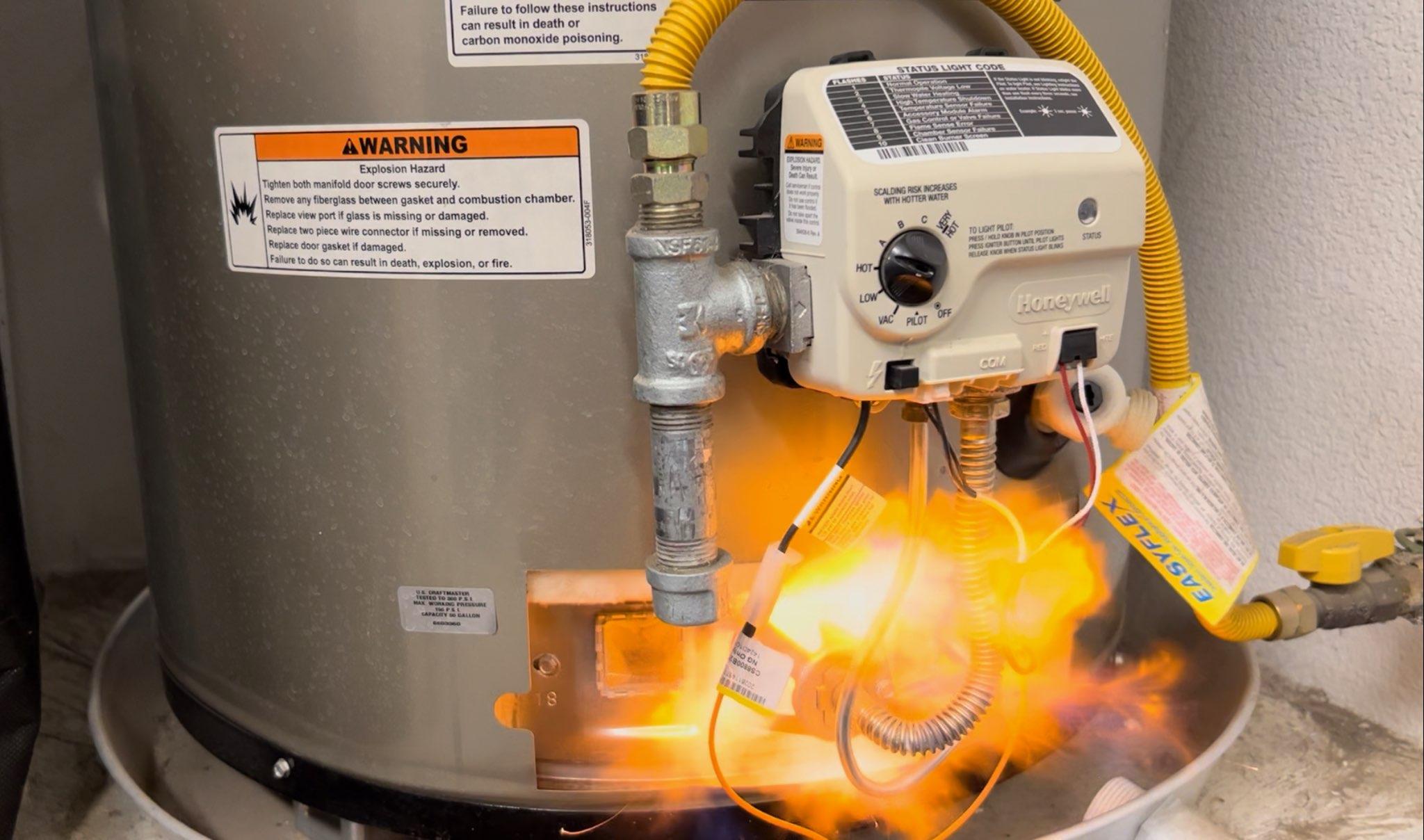
More Than Just a Stink: The Invisible Party Crasher
Now, I know we're keeping this light, but it's crucial to understand why this smell isn't just a funny anecdote. A gas leak from your water heater can lead to two main party poopers:
- Fire Hazard: Gas is flammable. A spark, a flame, even a static charge, can turn a bad smell into a much bigger, brighter problem.
- Carbon Monoxide: This one’s the real sneaky villain. When natural gas doesn't burn completely (which can happen with a faulty water heater), it produces carbon monoxide (CO). This is the invisible, odorless, tasteless gas that can make you sick and is incredibly dangerous. Think of it as an uninvited, silent roommate who's slowly stealing your oxygen. Yikes!
Symptoms of CO poisoning can feel a bit like the flu – headache, dizziness, nausea. So, if you're feeling a bit off and also smelling those rotten eggs, it's time to take action.

Your Inner Detective: What to Look (and Sniff) For
Beyond the unmistakable smell, there are other clues your water heater might be dropping for you:
- The Hiss: Do you hear a soft hissing sound near the unit? That's not your water heater trying to whisper secrets; it's gas escaping.
- Bubbles: If you're really suspicious and feel brave enough, you can mix some dish soap and water and gently brush it onto suspected leak spots (like pipe connections). If you see bubbles forming, you've found a leak!
- Flickering Pilot Light: If your pilot light is constantly going out, or the flame is yellow or orange instead of a strong blue, that's a red flag. It means it's not burning properly.
- Dead Houseplants: If your usually thriving indoor plants near the water heater suddenly look like they've given up on life, CO could be the culprit.
Houston, We Have a Problem! What to Do (and What NOT to Do)
Okay, so you smell something, you hear something, or your plants are staging a dramatic exit. Don't panic! Here's your action plan, short and sweet:
- Evacuate: Get everyone (pets included!) out of the house immediately. Like you're leaving a slightly boring party.
- Open Windows and Doors: On your way out, if it's safe and quick, open windows and doors to air out the place.
- DO NOT: Use light switches, operate appliances, light matches, or even make phone calls inside the house. Any spark could ignite the gas. Save the selfie for outside.
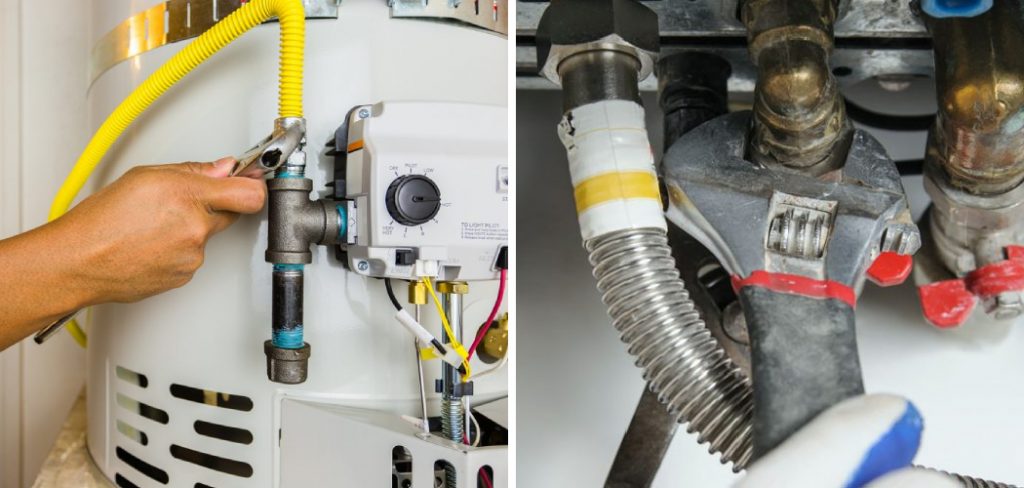
- Call for Backup: Once you're safely outside, call your gas company's emergency line or your local fire department. Then, call an HVAC professional or a licensed plumber who deals with gas appliances. This is definitely not a DIY project. Leave it to the pros; they've got the fancy sniffers and the know-how.
Prevention: Your Water Heater's Spa Day
The best defense is a good offense! Keep an eye on your water heater's health with a few simple steps:
- Annual Check-ups: Schedule a professional to inspect your water heater every year. Think of it as a spa day for your appliance.
- Carbon Monoxide Detectors: Install CO detectors on every level of your home, especially near sleeping areas and your water heater. They're like little superhero sidekicks, always on alert.
- Ventilation: Ensure the area around your water heater is clear and well-ventilated.
So, while the idea of a gas leak might sound a bit daunting, knowing the signs and what to do can make all the difference. Stay sniff-aware, trust your gut (and your nose!), and keep those hot showers flowing safely. Your water heater, and everyone in your home, will thank you for it!