
Gas Tankless Water Heater Vs Gas Water Heater

Let's talk water heaters. Not the most glamorous topic, I know. But trust me, understanding the difference between a gas tankless and a gas tank water heater can save you money and prevent some seriously cold shower situations. Think of it as an adulting superpower you never knew you needed!
The Old Reliable: Gas Tank Water Heater
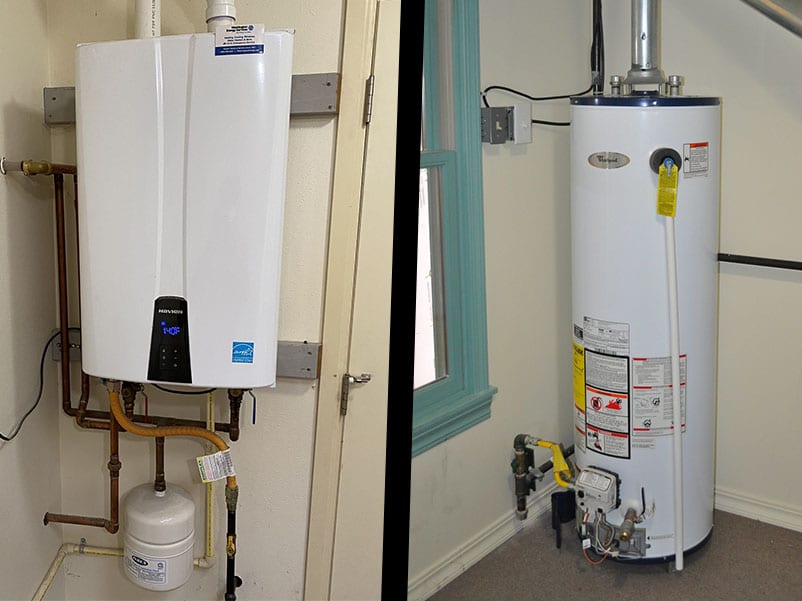
Picture this: a big, round metal buddy sitting in your basement or garage. That's your classic gas tank water heater. It's been heating water and patiently waiting for you since… well, probably since before avocado toast was a thing.
These guys are like the dependable, slightly grumpy grandpa of the water heating world. They hold a certain amount of water – usually 40 to 60 gallons – and keep it hot, 24/7. Ready for your shower, your dishwashing, or that sudden urge to fill a kiddie pool in the middle of winter. (Don’t judge.)
Must Read
The Good, the Bad, and the Lukewarm
The upside? They're relatively inexpensive to buy and install. Plus, most plumbers know them inside and out. It’s like asking a mechanic to fix a carburetor – they’ve seen it a million times.
The downside? That constant heating? That's energy (and money!) going up in smoke, literally. Your tank is always working, even when you're not using hot water. Imagine leaving your car idling all day just in case you need to pop out for ice cream. Not exactly efficient.
And then there's the dreaded cold shower scenario. You know, when you’re shampooing your hair, feeling all zen-like, and BAM! Arctic blast. The tank ran out of hot water. It's a betrayal of the highest order.
Plus, tanks can leak, rust, and generally become a nuisance after a while. It's like having a grumpy, metal roommate who demands constant attention and threatens to flood your basement. Not ideal.
The Upstart: Gas Tankless Water Heater
Now, let's meet the sleek, modern contender: the gas tankless water heater. These guys are like the tech-savvy millennials of the water heating world. They're compact, efficient, and a little bit more complicated.
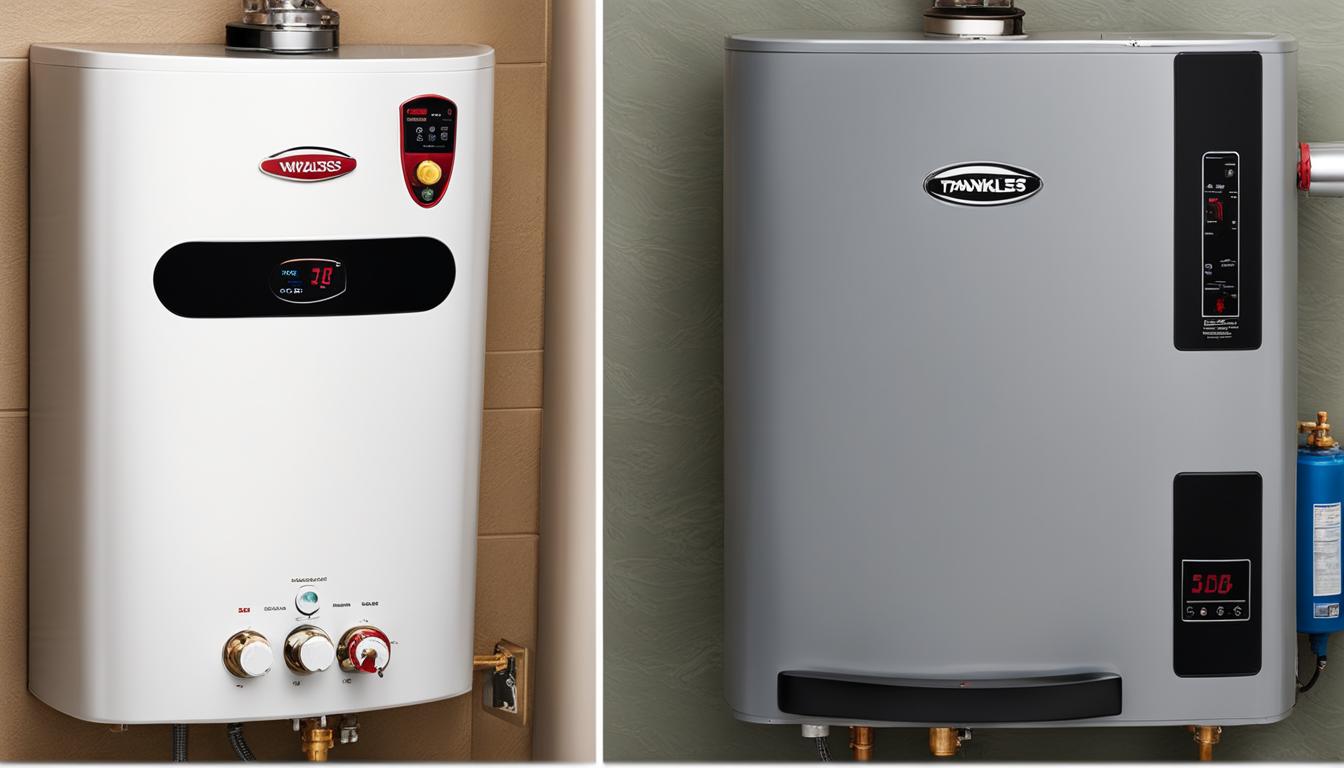
Instead of storing hot water, tankless heaters heat water on demand. When you turn on the hot water tap, cold water flows through the unit, a powerful burner kicks in, and voila! Instant hot water. It’s like having a personal hot water geyser at your beck and call.
Endless Hot Water… and a Few Quirks
The biggest advantage? Endless hot water. Seriously. No more cold shower surprises, even if your teenager decides to take a two-hour shower while simultaneously doing laundry and filling a hot tub (again, don’t judge).
Tankless heaters are also much more energy-efficient than tank heaters. Since they only heat water when you need it, they use less gas. Think of it as turning off your car engine at every stoplight – it saves a surprising amount of fuel over time.
And because they're smaller, they take up less space. You could actually reclaim some of that valuable basement real estate! Imagine, a home gym! A craft room! A dedicated avocado toast-making station!
However, tankless heaters do have a few quirks. They're more expensive to buy and install. The installation often requires upgrading your gas lines and electrical panel, which can add to the cost. Think of it as buying a fancy sports car – the upfront cost is higher, and the maintenance can be a bit more involved.

Also, sometimes there's a slight delay before the hot water arrives. It's not a long delay, but it can be a bit annoying, especially if you're impatient. Imagine waiting an extra few seconds for your coffee to brew – it's not the end of the world, but it can test your patience in the morning.
The Showdown: Tank vs. Tankless
So, which one is right for you? It depends on your needs, your budget, and your tolerance for cold showers.
If you're on a tight budget and don't mind the occasional cold shower surprise, a gas tank water heater might be the way to go. They're reliable, affordable, and easy to maintain. Think of it as the trusty old sedan that gets you from point A to point B without any fuss.
But if you're looking for endless hot water, energy efficiency, and have a bit more to spend upfront, a gas tankless water heater might be a better choice. They're modern, efficient, and can save you money in the long run. Think of it as the sleek electric car that's good for the environment and fun to drive (once you get used to the initial investment).
Consider your household size. A large family might benefit more from the endless hot water of a tankless system. A smaller household might be perfectly happy with a tank heater, especially if they're mindful of their water usage. Think about how many showers you take in a row. And how long they are!
Also, think about your lifestyle. Do you entertain often? Do you have a teenager who loves long showers? Do you have a sudden, inexplicable need to fill kiddie pools in the middle of winter? These factors can influence your decision.
The Plumber's Perspective
Don't underestimate the wisdom of your plumber. They've seen it all, from leaky tanks to temperamental tankless units. They can assess your home's plumbing system, recommend the best option for your needs, and provide a professional installation. Think of them as the wise Yoda of water heating.
Get quotes from multiple plumbers and ask them about their experience with both tank and tankless heaters. Ask about the installation costs, the potential energy savings, and the long-term maintenance requirements. A good plumber will be happy to answer your questions and provide you with honest, unbiased advice.
And don't be afraid to ask about rebates and incentives. Many utility companies offer rebates for energy-efficient appliances, including tankless water heaters. You might be surprised at how much you can save.
Beyond the Basics: Little-Known Facts
Did you know that some tankless water heaters can be controlled with your smartphone? You can adjust the water temperature, monitor your energy usage, and even schedule maintenance appointments. It's like having a personal water heating concierge in your pocket!

And did you know that some tank water heaters have self-cleaning features? They periodically flush out sediment and mineral buildup, which can improve their efficiency and extend their lifespan. It's like having a tiny, metal housekeeper living in your basement!
Also, both tank and tankless water heaters need regular maintenance. Tank heaters should be drained and flushed annually to remove sediment. Tankless heaters should be descaled periodically to remove mineral buildup. Think of it as giving your water heater a regular checkup to keep it running smoothly.
The Bottom Line
Choosing between a gas tankless and a gas tank water heater is a big decision, but it doesn't have to be overwhelming. Do your research, talk to your plumber, and consider your needs and budget. And remember, the most important thing is to avoid those dreaded cold shower surprises!
So, the next time you're enjoying a nice, hot shower, take a moment to appreciate the marvel of modern water heating technology. Whether you have a trusty old tank or a sleek new tankless unit, it's all thanks to the magic of gas and a little bit of plumbing know-how.
And if you ever find yourself singing in the shower, be sure to give a little shout-out to your water heater. After all, it's the unsung hero of your daily routine. Unless it gives you a cold shower, then you're fully allowed to yell at it.