Gas Or Electric Washer And Dryer
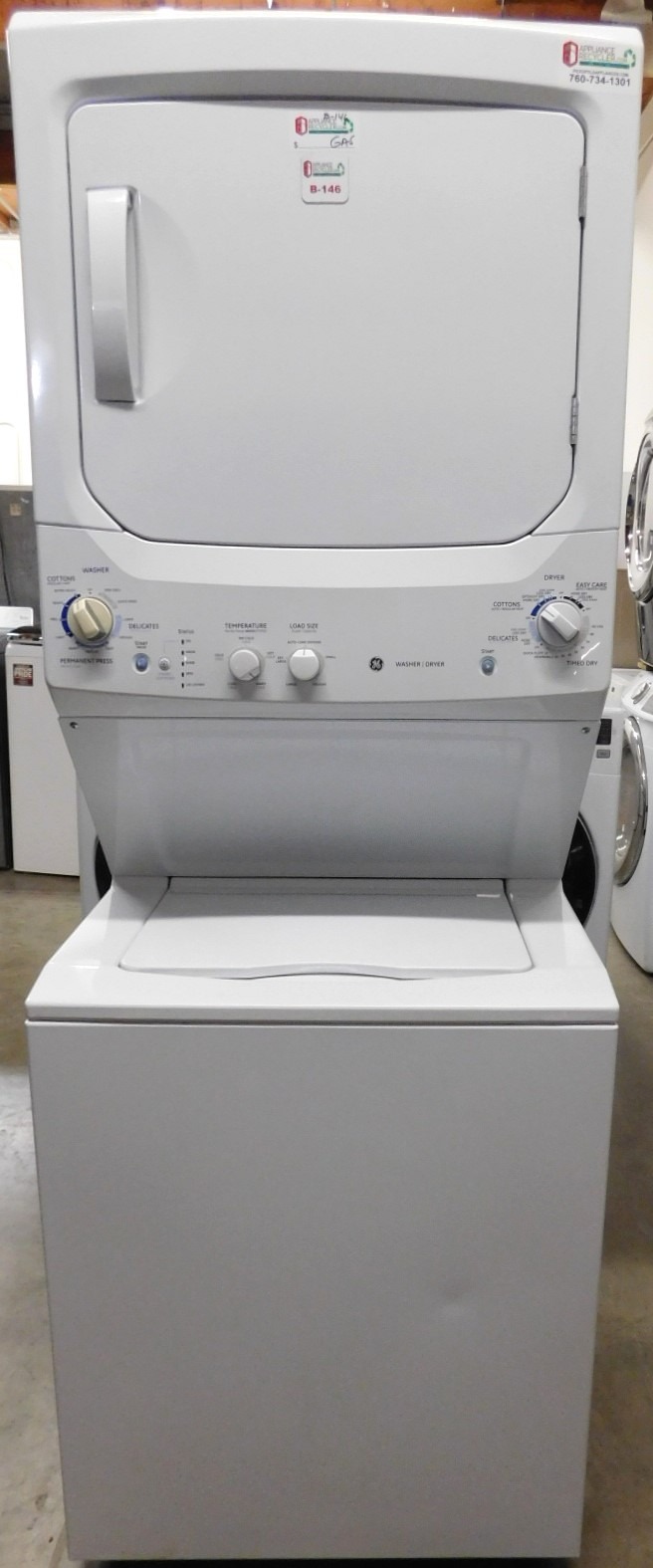
Ever found yourself staring blankly at a new appliance, wondering about the myriad choices beyond color and brand? You’re not alone! Today, let's peek behind the curtain of one of the most fundamental home decisions: choosing between a gas or electric washer and dryer. It might sound a bit dry (pun intended!), but understanding the differences can genuinely impact your wallet, your time, and even your home’s environmental footprint. It's actually quite fun to demystify these things, transforming you from a passive consumer into an informed homeowner!
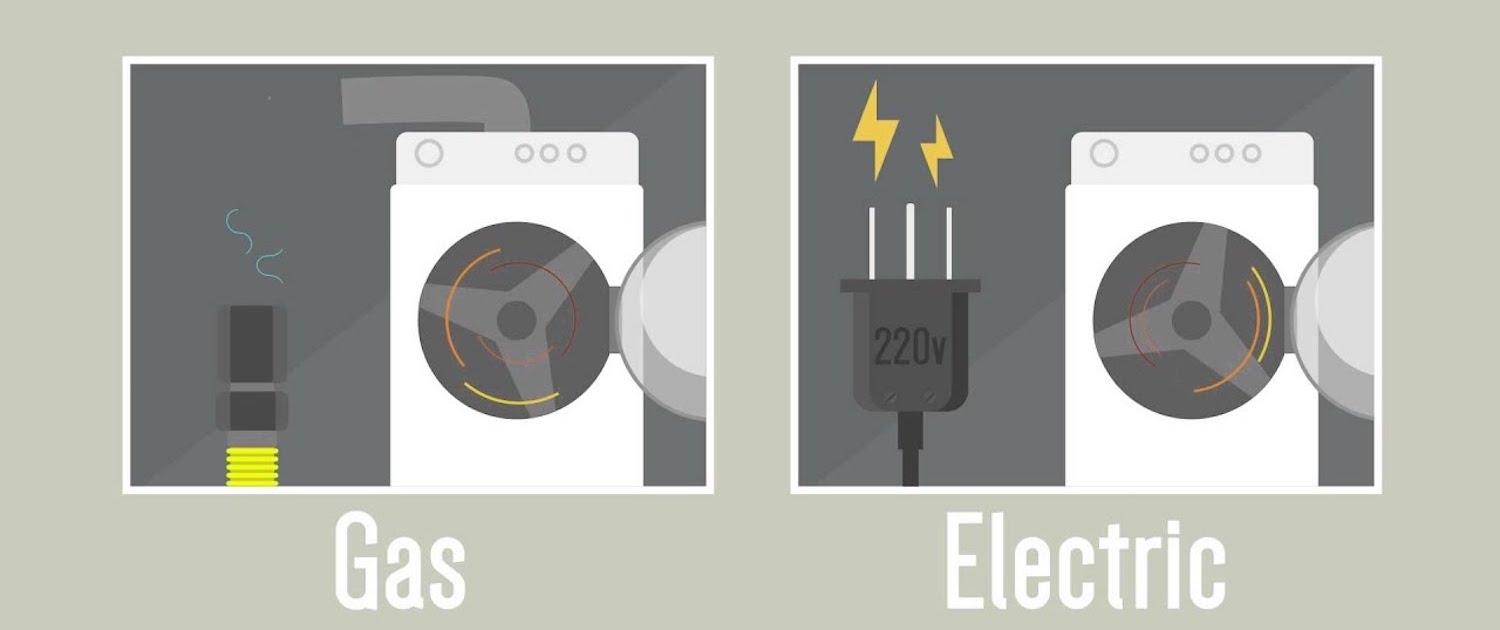
So, what exactly are we talking about here? When we discuss washers, the "gas or electric" part primarily refers to how your home’s water heater functions, as most washing machines themselves run on electricity to power their motors and controls. The real fork in the road, however, comes with the dryer. A gas dryer uses natural gas or propane to generate heat, while an electric dryer uses electricity through a heating element. Both exist for the noble purpose of getting your clothes clean and then delightfully dry, but they go about it in subtly different ways, each offering its own set of benefits.
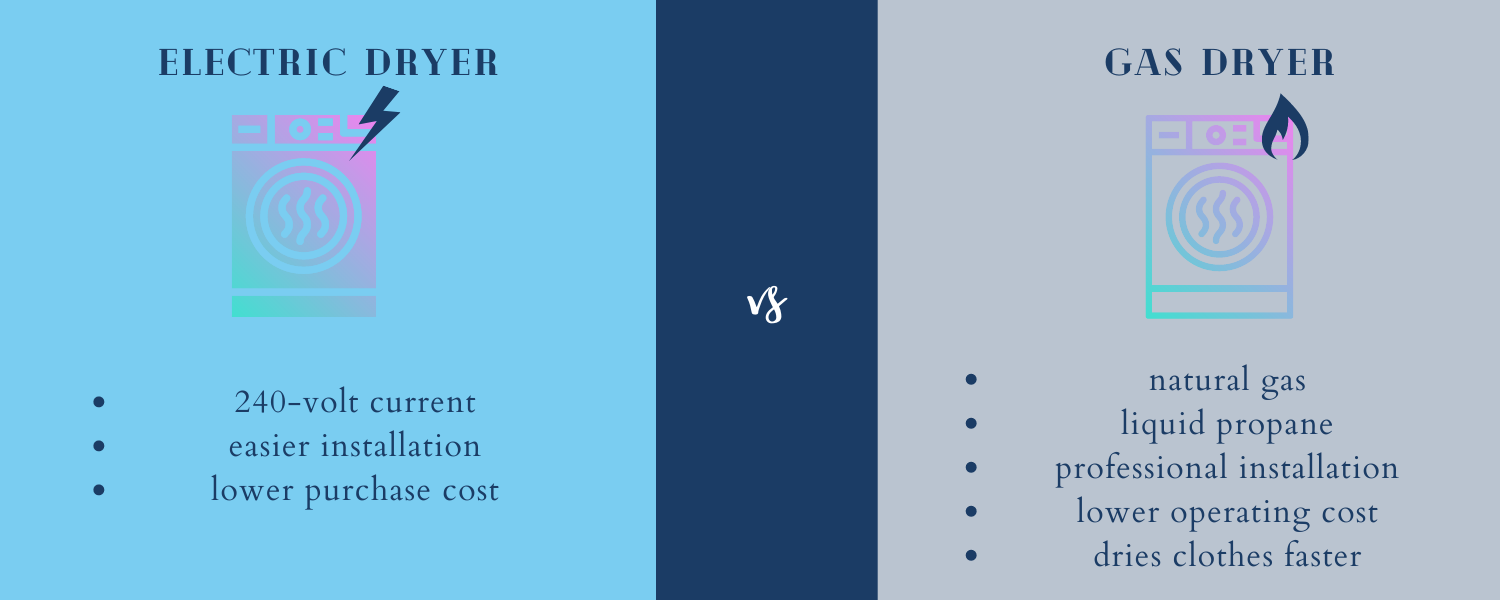
Let's dive a little deeper into those perks. Electric dryers are incredibly common, mainly because they only require a 240-volt electrical outlet, which is standard in most homes. This often makes them cheaper to buy upfront and easier to install, especially if you’re living in an apartment or a home without a pre-existing gas line in the laundry area. On the flip side, gas dryers are often lauded for their operating efficiency. Natural gas typically costs less per therm than electricity does per kilowatt-hour, meaning that over time, running a gas dryer could lead to lower utility bills. They also tend to heat up faster and dry clothes more quickly, which can be a real boon for busy households or those with mountains of laundry.
Must Read
How does this play out in everyday life or even in a bit of education? Imagine you're moving into a new house. The first thing you might do is check the utility hookups in the laundry room. Do you see a heavy-duty electrical outlet (it usually has three or four prongs, quite different from a standard wall outlet) or a thin gas pipe sticking out of the wall? This immediate observation informs your appliance shopping. In an educational context, understanding these differences teaches us about energy consumption (BTUs for gas vs. kilowatt-hours for electricity), plumbing, electrical systems, and the economic choices behind everyday household appliances. It’s a real-world application of physics and economics!
Curious to explore this further? Here are some simple tips. First, check your current utility bills. Look at the cost per unit for both gas and electricity – this is crucial for estimating potential savings. Second, if you're shopping, don't be afraid to ask appliance salespeople about the installation requirements and typical operating costs for both types. Finally, chat with friends or neighbors! Personal anecdotes about drying times, utility bills, and installation experiences can offer invaluable insights. Who knew laundry could be so intellectually stimulating? By understanding these basics, you’re not just buying an appliance; you’re making an informed decision that will serve your household for years to come.
:max_bytes(150000):strip_icc()/gas-dryer-vs-electric-dryer-2146251_FINAL-5bbe54b846e0fb00511f28f4.png)