
Gas Metal Arc Welding Equipment
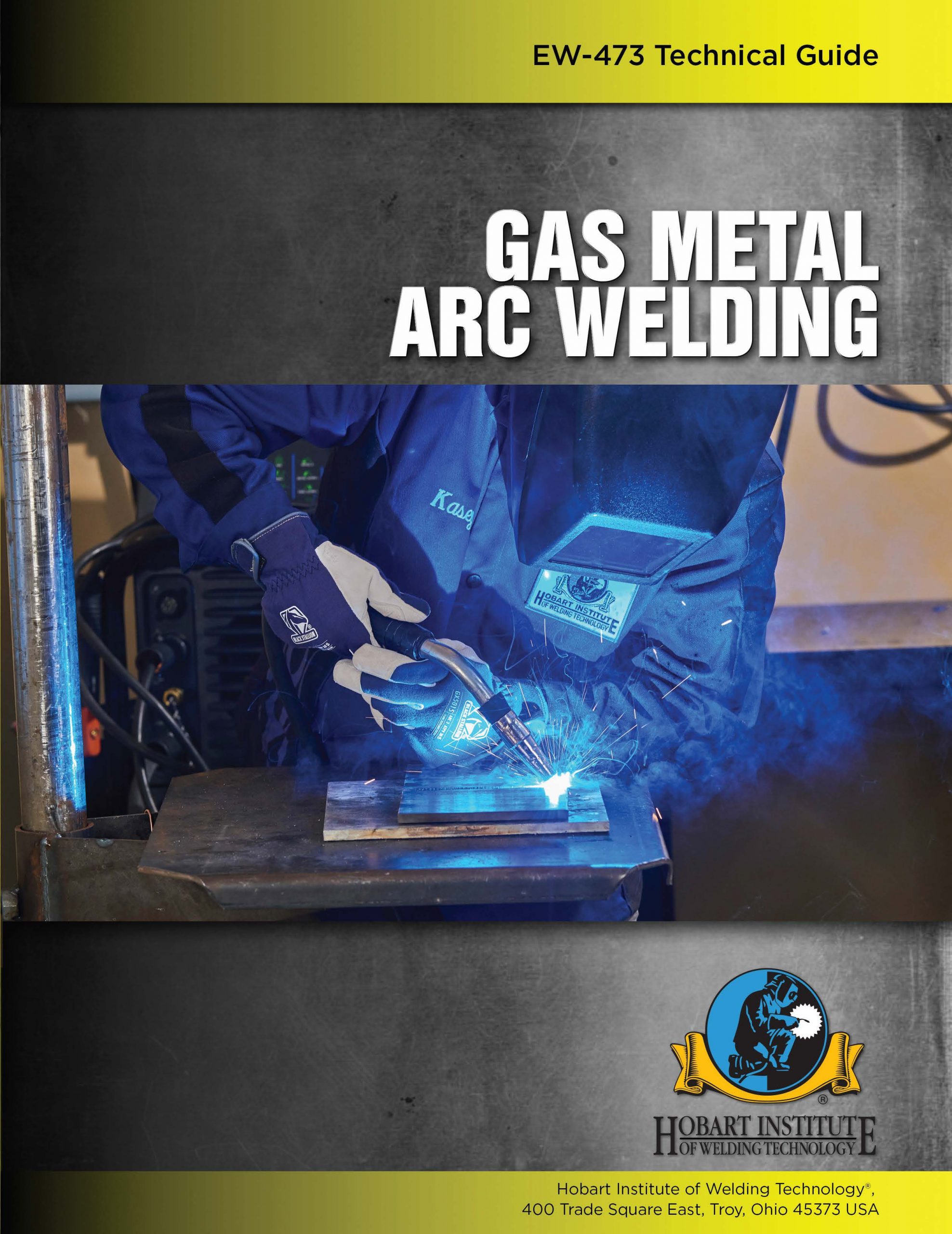
Ever found yourself scrolling through DIY projects online, admiring custom metalwork, or just wishing you could fix that wobbly gate yourself? Well, step into the sparkling world of fabrication, where dreams of building and fixing become reality with a little help from some seriously cool gear. And when it comes to getting started, Gas Metal Arc Welding – or GMAW, more commonly known as MIG welding – is often the first stop for many aspiring metal maestros. It’s the "easy mode" of welding, and trust us, that's a compliment!
MIG welding equipment might sound intimidating, but think of it like a high-tech glue gun for metal. It’s designed for simplicity and speed, making it a darling in everything from auto repair shops to art studios, and increasingly, in home workshops. If you've ever seen those perfectly stacked "dime welds" or effortlessly joined metal pieces, chances are MIG had a hand in it.
The Core Crew: What's In a MIG Setup?
At its heart, a MIG setup isn't a labyrinth of wires. It’s a beautifully synchronized system:
Must Read
The Welder (Power Source): This is the brain and brawn, delivering the electrical current. Modern machines are often compact inverter models, making them surprisingly portable and powerful for their size – think sleek tech, not clunky industrial beast.
Wire Feeder: Often integrated into the welder itself, this component spools out a continuous wire electrode. This is what makes MIG so fast; no stopping to grab another rod!
Welding Gun (Torch): Your wand of power. It directs the welding wire, the electrical current, and the all-important shielding gas to the workpiece.
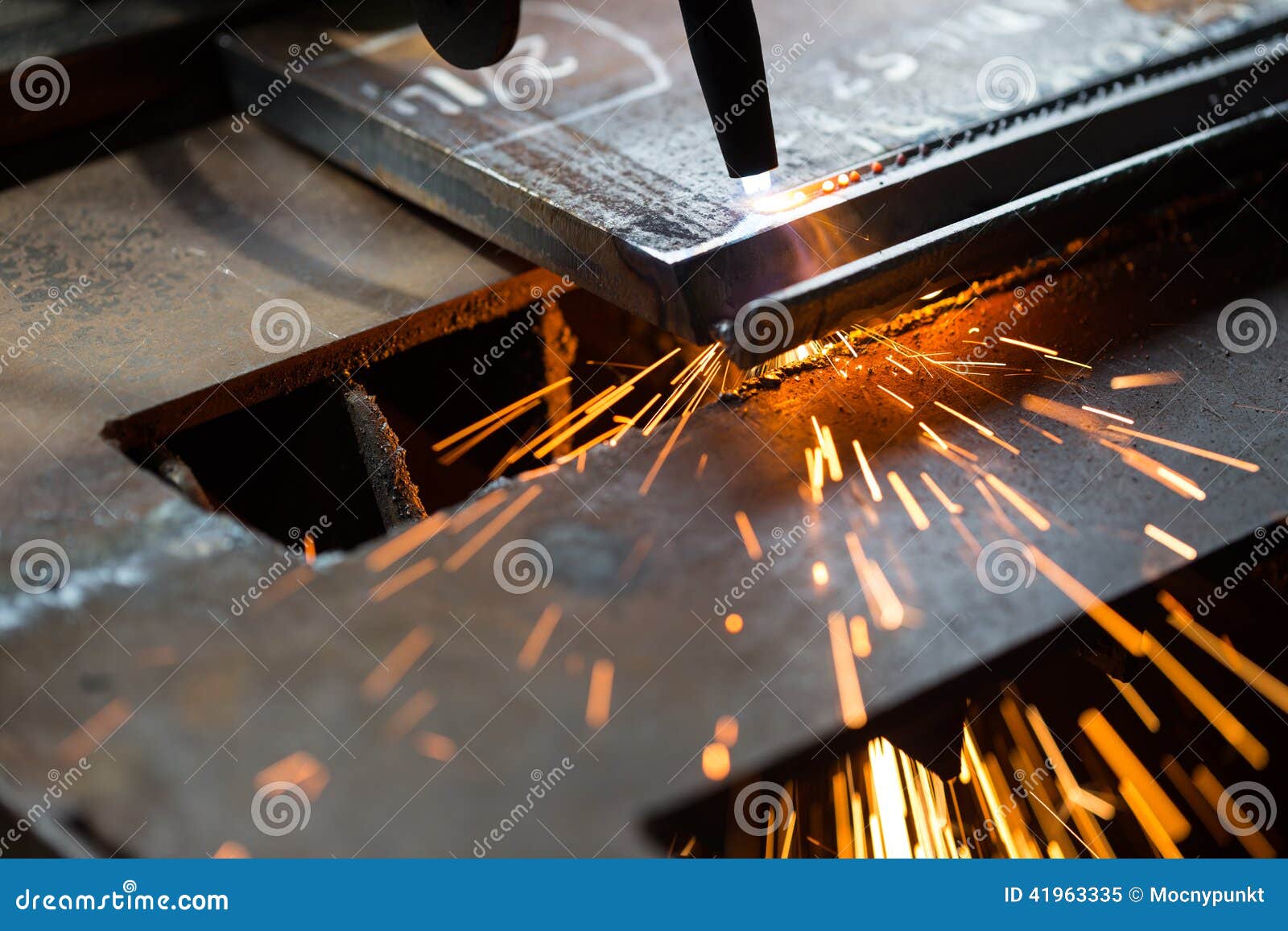
Gas Metal Arc Welding GMAW, Metal Inert Gas MIG Welding Or Metal Active Shielding Gas Cylinder: This is the "gas" in Gas Metal Arc Welding. Usually a mix of Argon and CO2, this gas flows around the weld puddle to protect it from atmospheric contaminants like oxygen and nitrogen, which would otherwise create a brittle, porous weld. No gas, no good MIG!
Ground Clamp: Every electrical circuit needs to complete a loop, and the ground clamp ensures that. Attach it securely to your workpiece for a stable arc.
Why MIG is Your Metal Matchmaker
So, why is MIG the go-to for so many? It boils down to a few brilliant perks:
Ease of Use: Seriously, it’s often called "point and shoot" welding. Less complex technique than TIG and generally cleaner than Stick welding. Get your settings right, and you're laying down beads in no time.

Gas Metal Arc Welding GMAW, Metal Inert Gas MIG Welding Or Metal Active Speed & Efficiency: That continuous wire feed means fewer interruptions and faster welding. Perfect for bigger projects or when you're on a roll.
Versatility: MIG handles a wide range of metals – steel, stainless steel, and with the right setup (like a spool gun), even aluminum! From thin sheet metal for auto body repairs to thicker stock for structural work, MIG is game.
Clean Welds: Thanks to that shielding gas, MIG produces relatively spatter-free welds, meaning less post-weld cleanup. Who doesn't love less sanding and grinding?

Gas Metal Arc Welding Basic
Pro-ish Tips for the Aspiring Welder
Ready to spark some creativity? Here are a few friendly pointers:
Safety First, Always: We can't stress this enough. A good auto-darkening welding helmet, heavy-duty gloves, a flame-resistant jacket, and closed-toe shoes are non-negotiable. Welding arcs are incredibly bright and hot – protect your eyes and skin!
Cleanliness is Next to Weld-liness: Always clean your base metal. Remove rust, paint, oil, and grime. A clean surface means a strong, beautiful weld. Think of it like preparing a canvas for a masterpiece.
Practice Makes Progress: Don't expect perfection on day one. Grab some scrap metal and experiment with your settings – wire speed, voltage, and gas flow. The goal is a consistent, smooth bead. Embrace the learning curve; every wobbly weld is a lesson learned.

Gas Metal Arc Welding - Hobart Institute of Welding Technology Mind Your Gas: Ensure your gas cylinder has enough pressure and your flow rate is correct. Too little gas, and your welds will look like Swiss cheese (porous). Too much, and you're just wasting gas.
A Little Slice of Welding Culture
MIG welding isn't just for industrial titans. It’s the backbone of custom car culture, the secret weapon of metal sculptors, and the unsung hero behind countless durable household items. Ever watched a fabrication show? Most of those quick, clean joins are courtesy of a MIG welder. It's empowering to know the tool that built your car could be the same one you use to create a bespoke metal shelf or repair a garden tool.
Maintaining your gear is pretty straightforward too. Keep your contact tips and nozzles clean, check your gas lines for leaks, and store your wire in a dry place. A little TLC goes a long way in ensuring your welder is always ready for action.
At its core, welding is about joining, about creating something stronger and more enduring than its individual parts. Whether you’re patching up a garden gate, building a custom desk, or just exploring a new skill, getting to grips with GMAW equipment opens up a world of possibilities. There’s a profound satisfaction in turning raw metal into something functional or beautiful with your own hands. It's a tangible reminder that with the right tools and a bit of practice, you can literally shape your world.