
Gas Leak In House What To Do

Imagine this: you walk into your home, maybe after a long day, or perhaps you're just getting up. Everything seems normal, but then a very specific scent tickles your nose. It's not burnt toast, and it’s definitely not the cat’s litter box. It’s that tell-tale, rotten egg smell. Your brain’s alarm bells start ringing. You instantly know: gas leak.
Now, this isn't a moment for panic, but it is a moment for quick, smart action. Knowing what to do can make all the difference. Think of it as having a superpower to keep your home and loved ones safe. It’s surprisingly simple to master, and once you know, you’ll feel much more confident.
First Things First: No Sparks Allowed!
This is probably the most crucial rule to remember. When there's a gas leak, even a tiny spark can be a big problem. Gas, especially when concentrated, is highly flammable. So, your absolute first step is to avoid anything that could create a spark. This means no light switches, no lamps, no unplugging things, no using your phone (yes, really!), and definitely no striking a match to "check."
Must Read
Do not turn electrical appliances or lights on or off. Leave them exactly as they are. If a light is on, leave it on. If it's off, leave it off.
It sounds counter-intuitive to not touch anything, but it’s a tiny, powerful electrical surge that can happen with a click. Even your doorbell could create a spark! Just step away from anything electrical.
Open Up! Fresh Air is Your Best Friend
As soon as you notice that smell, your next immediate action is to invite the outside in. Get those windows and doors wide open! Ventilation is super important because it helps to clear out the gas, making the air safer. The more fresh air you can get flowing through your home, the better. It's like giving your house a big, deep breath of relief.
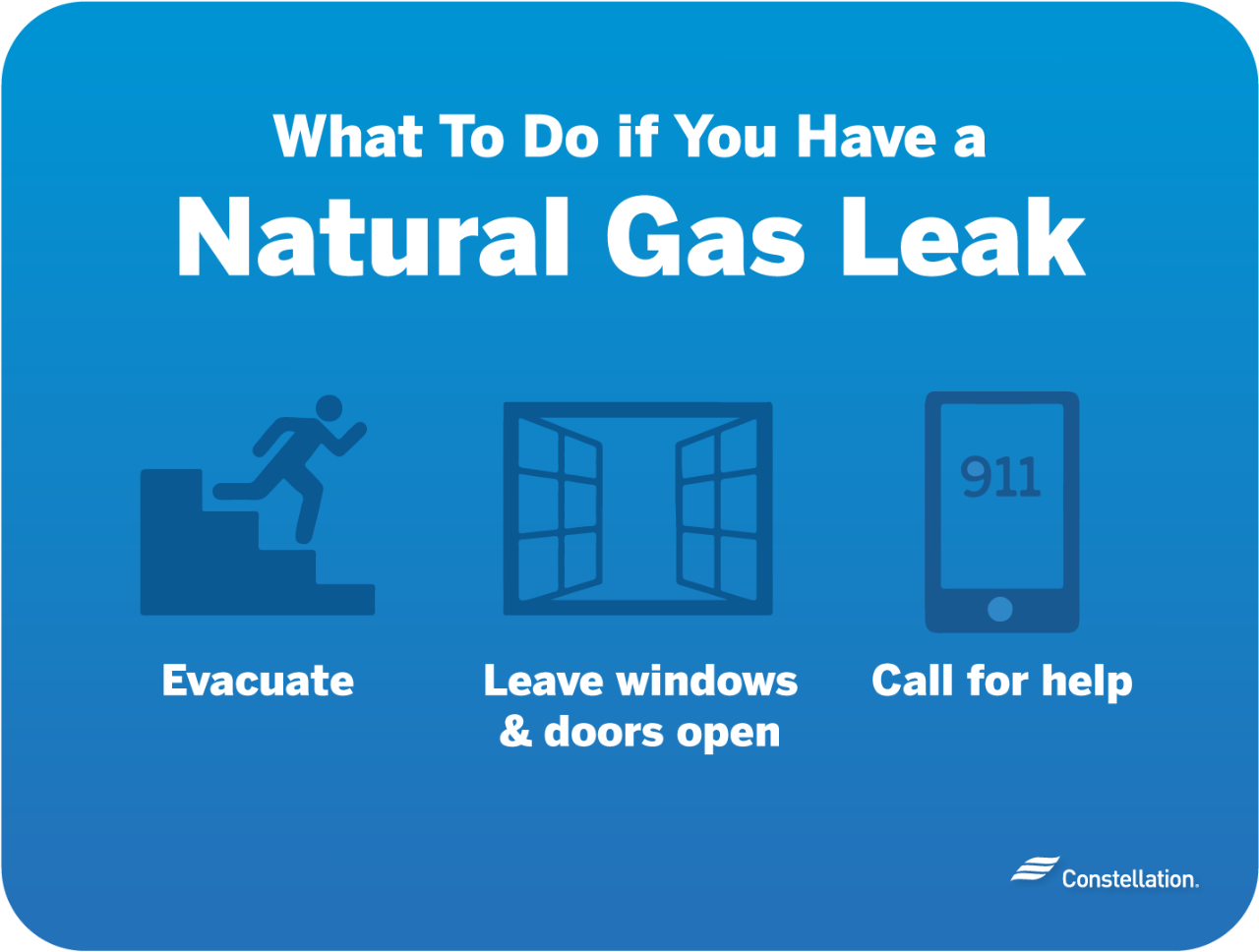
You don't need to spend time fussing; just quickly open anything that opens easily and safely. Every little bit of fresh air helps to push that gas out into the atmosphere where it can safely dissipate.
Get Out, Stay Out!
After opening windows and doors, your main goal is to get yourself and everyone else (including pets!) out of the house. Don't linger. Don't go searching for the source of the leak. Don't try to grab your favorite book. Just evacuate calmly and quickly. The safest place to be is outside, far away from your home.
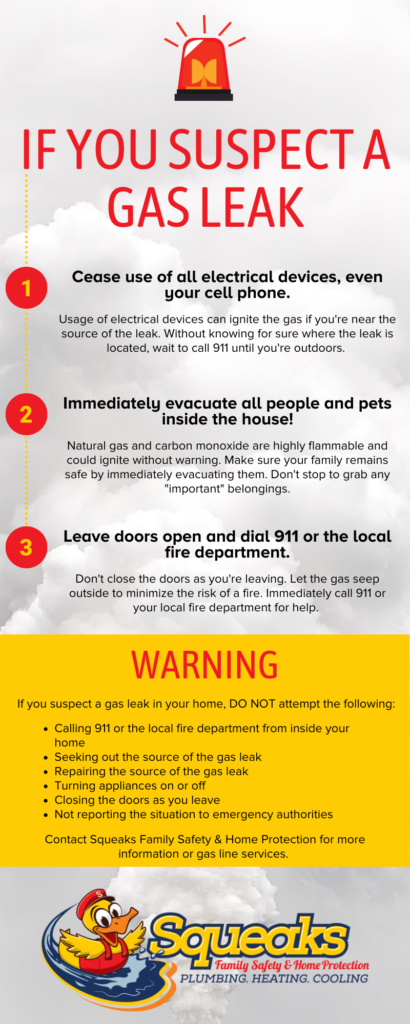
Walk to a safe distance, perhaps across the street or to a neighbor's house. Make sure everyone knows a designated safe meeting spot, if you have one, so you can quickly account for everyone.
Call for Help – From a Safe Distance
Once you are safely outside and a good distance from your house, it's time to make the call. Use your cell phone, or even better, a neighbor’s phone to contact your gas company or 911 (or your local emergency number). Tell them clearly that you suspect a gas leak.
They will send trained professionals who know exactly what to do to handle the situation safely. It's crucial that you call from far away. Remember, using a phone near a leak could create a spark.
Do not re-enter your home until emergency personnel or the gas company tells you it is safe to do so. This is a non-negotiable rule!
What Not to Do (Again, Super Important!)
Let's quickly recap some absolute no-nos:
- Do not use lighters, matches, or candles.
- Do not operate any electrical appliances or switches (lights, fan, garage door opener).
- Do not use the telephone or cell phone inside the building.
- Do not start or turn off vehicles or power equipment near the home.
- Do not assume the smell will just go away.
It might seem like a lot to remember, but these simple steps are designed to keep you out of harm's way. Think of these rules as your personal shield against a potentially dangerous situation.

Recognizing Other Signs (Beyond the Smell)
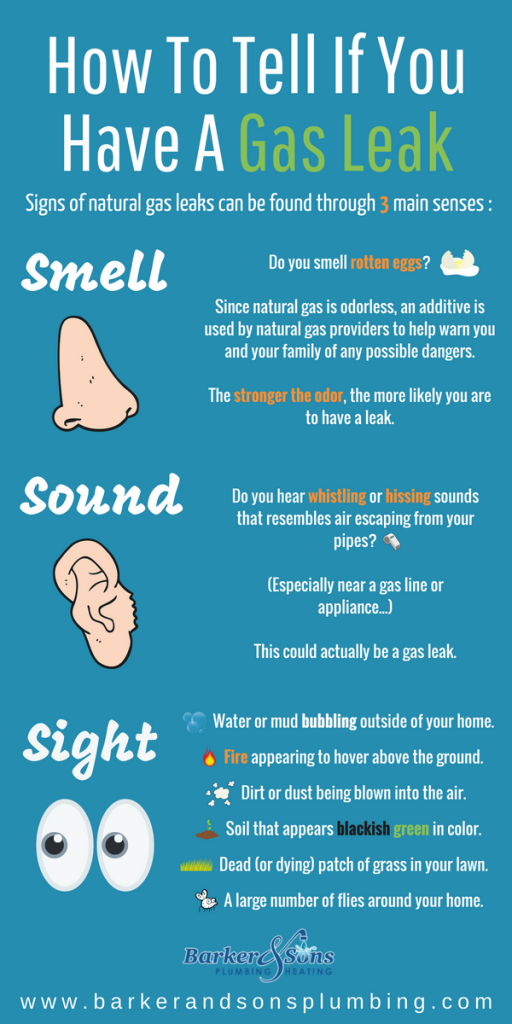
Sometimes, a gas leak doesn't always come with that famous rotten egg smell, especially if it's a very small leak or a different type of gas. Other clues to watch for include:
- A hissing sound coming from a gas line or appliance.
- Bubbles in standing water outside near gas lines.
- Dead or discolored vegetation over or near a pipeline.
- Physical symptoms like dizziness, nausea, headaches, or feeling light-headed, especially if they clear up when you step outside.
Knowing these additional signs can help you react even faster, proving that being aware is a huge part of staying safe.
Dealing with a suspected gas leak can feel scary, but by following these straightforward steps, you empower yourself with the right knowledge. You become the hero of your own home, turning a potential emergency into a manageable situation. It’s all about staying calm, being quick, and letting the professionals take over. Knowing this plan gives you a fantastic sense of preparedness and peace of mind. Go ahead, commit these steps to memory – you’ll be glad you did!