
Gas For Mig Welding Stainless
Ah, the noble art of welding. There’s something truly satisfying about joining two pieces of metal, watching that molten puddle fuse them together. But then, you mention you're thinking about MIG welding stainless, and suddenly the atmosphere shifts. Your friendly shop buddy might get a faraway look, or a seasoned pro might start stroking their chin knowingly. Because, my friends, when it comes to gas for stainless, people get serious.
It’s like entering a secret society where the passwords are chemical formulas and the handshakes involve complex flow rates. You ask a simple question, "What gas do I use for MIG welding stainless?" and prepare for an answer. What you get, however, is often a philosophical debate, a historical account of shielding gas evolution, and a stern warning about arc quality that would make a seasoned aerospace engineer blush.
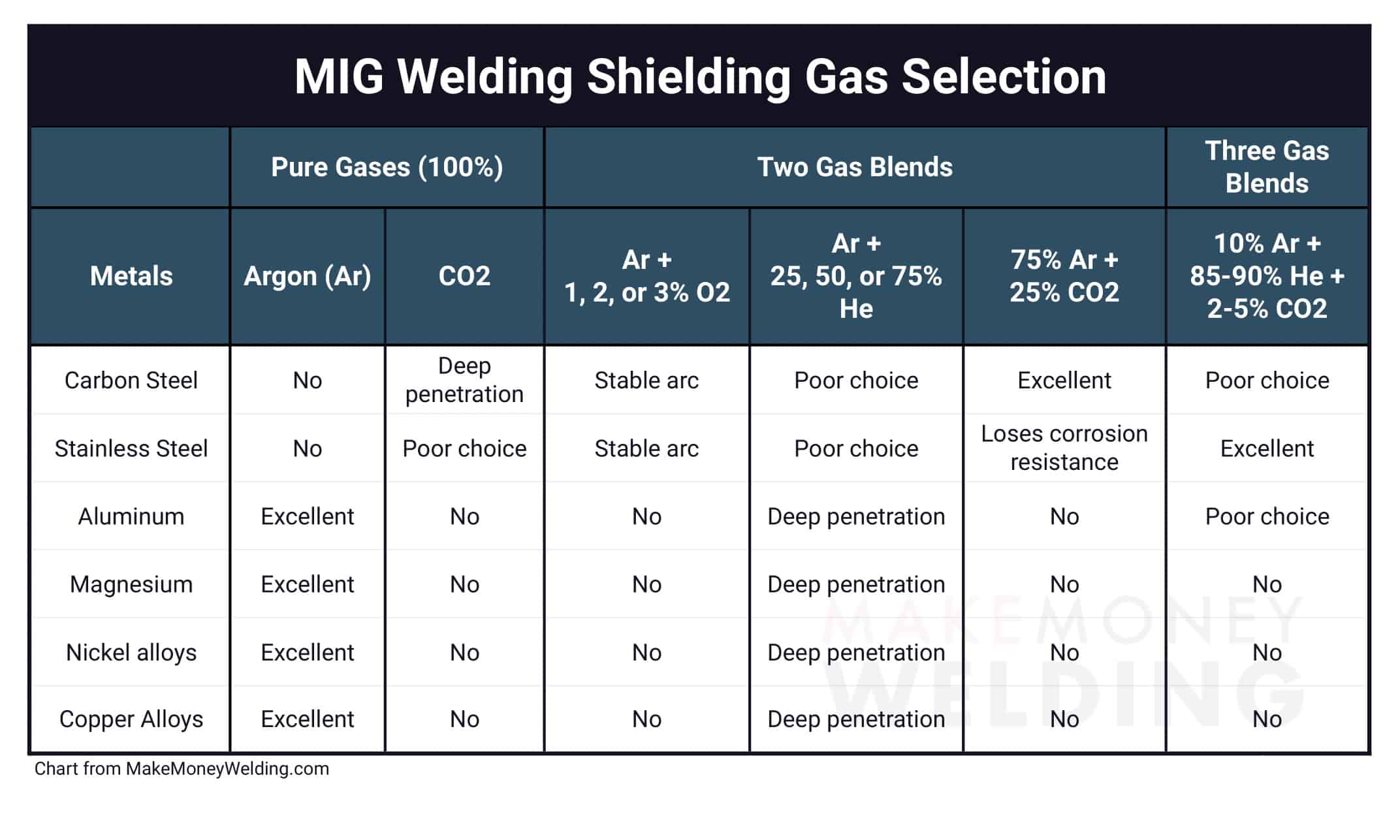
Suddenly, you’re hearing about Tri-mixes, Argon/Helium/CO2 blends, and percentages that feel more like a lottery ticket than a gas bottle label. Someone will swear by 90% Helium, 7.5% Argon, 2.5% CO2. Another will passionately advocate for 98% Argon, 2% CO2, insisting anything else is basically spitting on the material. And then there are the whispered legends of pure Argon for spray transfer, which sounds incredibly fancy, but also incredibly hot and potentially messy if you're just trying to fix a garden gate.
Must Read
Now, don't get me wrong. The experts are experts for a reason. For critical applications, aerospace components, or when you need absolutely pristine, butter-smooth welds with minimal discoloration and perfect mechanical properties – yes, those specialized gas mixes are paramount. They reduce carbide precipitation, minimize sugaring, and make your weld look like it was kissed by a unicorn. But let's be honest, are most of us building spaceships in our garage?
The Unpopular Opinion You Secretly Suspect
Here’s where I risk offending the arc angels and the gas gurus of the welding world. Brace yourselves. For many of us, the weekend warriors, the backyard fabricators, the folks just trying to patch up a rusty grill or build a cool stainless counter for the workshop – the gas choice for MIG welding stainless might not need to be quite so... sacred.
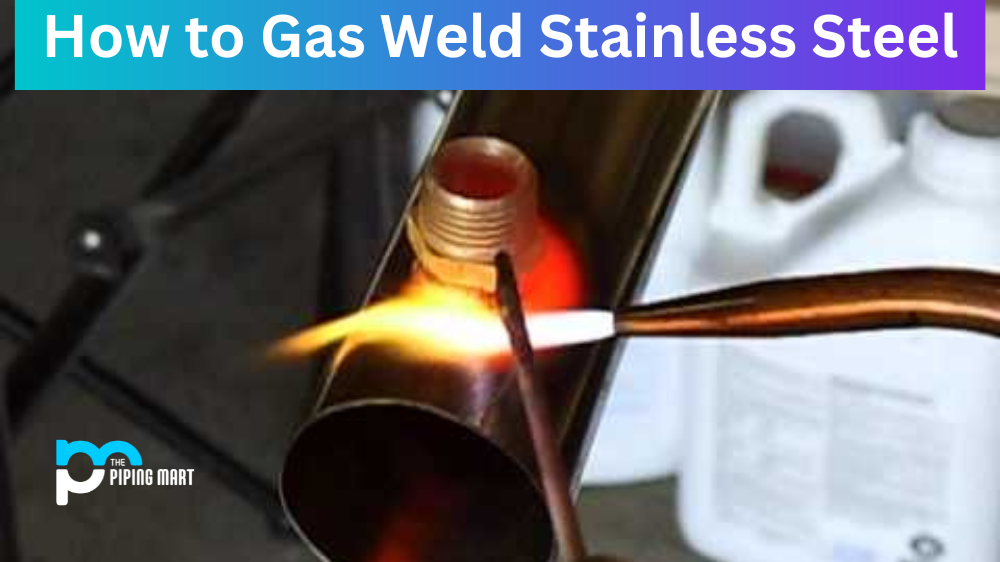
I know, I know. Heresy! But hear me out. For general, everyday stainless steel fabrication, where absolute perfection isn't the make-or-break factor, and your budget has limits that aren't quite "government defense contract" level, what if I told you that your trusty old 75/25 Argon/CO2 mix (also known as C25), the stuff you probably already use for mild steel, might just… work?
"But wait!" the purists cry. "The CO2 will cause carbide precipitation! It will make your stainless rust! It will summon the welding demons!"
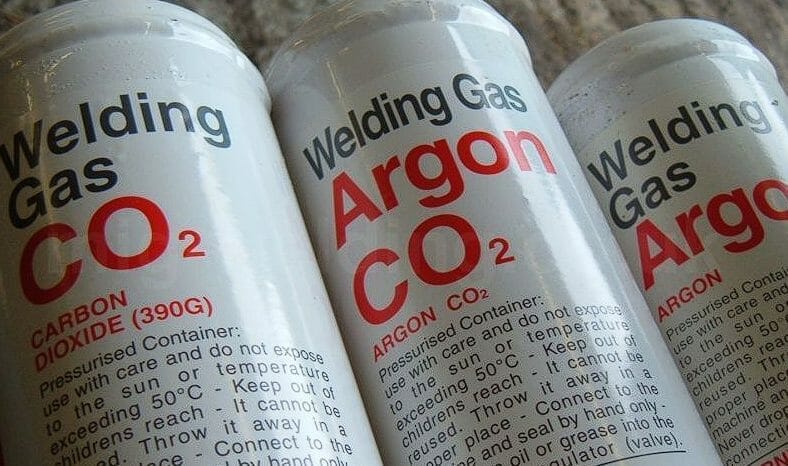
And yes, technically, they're not wrong. CO2 in higher percentages can lead to a slight increase in carbon content in the weld, potentially making it more susceptible to corrosion over time in certain harsh environments. It can also make the weld look a bit darker, with more soot. But here's the kicker: for a lot of everyday stainless projects, this might be perfectly acceptable. We’re talking about components that aren't immersed in corrosive chemicals 24/7 or subjected to extreme temperatures.
Think about it. You’re building a shelf for the kitchen, or a custom exhaust for your project car, or repairing a stainless handrail. Are these going to spontaneously disintegrate because you used a slightly less "perfect" gas? Probably not. You might get a darker bead, a bit more cleanup, but the weld will likely hold just fine. And the sheer convenience of not having to buy, store, and swap out a specialized, expensive bottle of Tri-mix is a beautiful thing.
Embrace the Practical Side of Gas
My point isn't that fancy gases are useless. Far from it! They absolutely have their place. But for the average Joe or Jane wielding a MIG gun in their garage, the quest for the "perfect" stainless gas can be intimidating, expensive, and frankly, unnecessary overkill. Sometimes, good enough is, well, good enough.
So, the next time someone starts to lecture you about the intricacies of Argon-Helium-CO2 ratios for your simple stainless steel project, nod politely. Then, perhaps, consider reaching for your familiar 75/25 Argon/CO2 bottle. You might find that your welds are perfectly strong, perfectly functional, and you’ve saved yourself a headache and some cash. And who knows, you might even enjoy the process a little more without the added pressure of achieving "unicorn-kissed" weld perfection.
Go forth, weld your stainless, and don't let the gas gatekeepers scare you away from trying something a little more practical. Your wallet (and your sanity) might just thank you.
