Picture this: a workshop alive with the buzz and flash of creation. Sparks fly, metal gleams, and a welder, masked like a futuristic hero, works their magic. You see the glowing tip of the welding gun, the molten pool of metal, and the satisfying sizzle as two pieces become one. This is the glamorous side of MIG welding, the part that gets all the attention. But what if I told you there's an invisible, silent partner in this whole process, a true unsung hero that makes all that flashy action even possible, especially when joining humble mild steel?
Most folks think of electricity, wire, and a steady hand when they think of welding. And they're right, those are critical. But there's another element, often overlooked, that's pulling serious weight: the shielding gas. It’s like the secret ingredient in a legendary recipe, or the silent bodyguard standing watch over a precious treasure. Without it, your beautiful weld would be, well, a bit of a mess. A really ugly, brittle, frustrating mess.
The Invisible Bodyguard
Why do we need this mysterious gas? Think of it this way: when metal gets super-hot and molten, it becomes incredibly vulnerable. The everyday air around us, which we usually take for granted, suddenly turns into a mischievous villain. The oxygen and nitrogen in the atmosphere love to crash the party, react with the molten metal, and cause all sorts of problems. They create porosity (tiny holes), make the metal brittle, and generally ruin the strength and beauty of your intended join.
Enter the shielding gas. As you weld, a stream of this special gas flows out of the welding gun, forming a protective, invisible bubble around the molten weld pool. It literally pushes the nasty air away, creating a clean, pure environment for the metal to solidify. It’s like putting a tiny, invisible force field around your work, ensuring that no unwanted elements sneak in to spoil the party.
"It's amazing how something you can't even see is doing such heavy lifting. It's the ultimate 'behind-the-scenes' magic!"
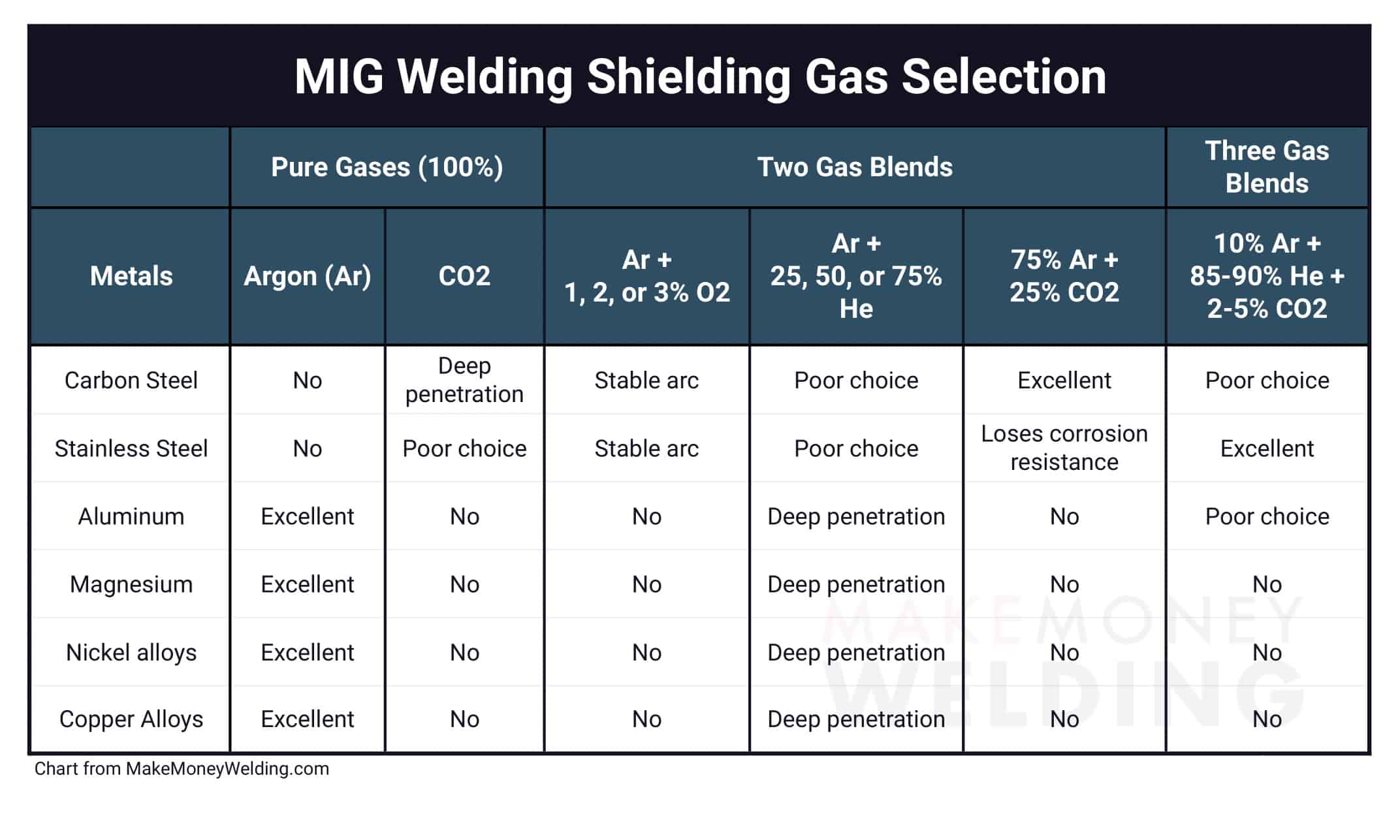
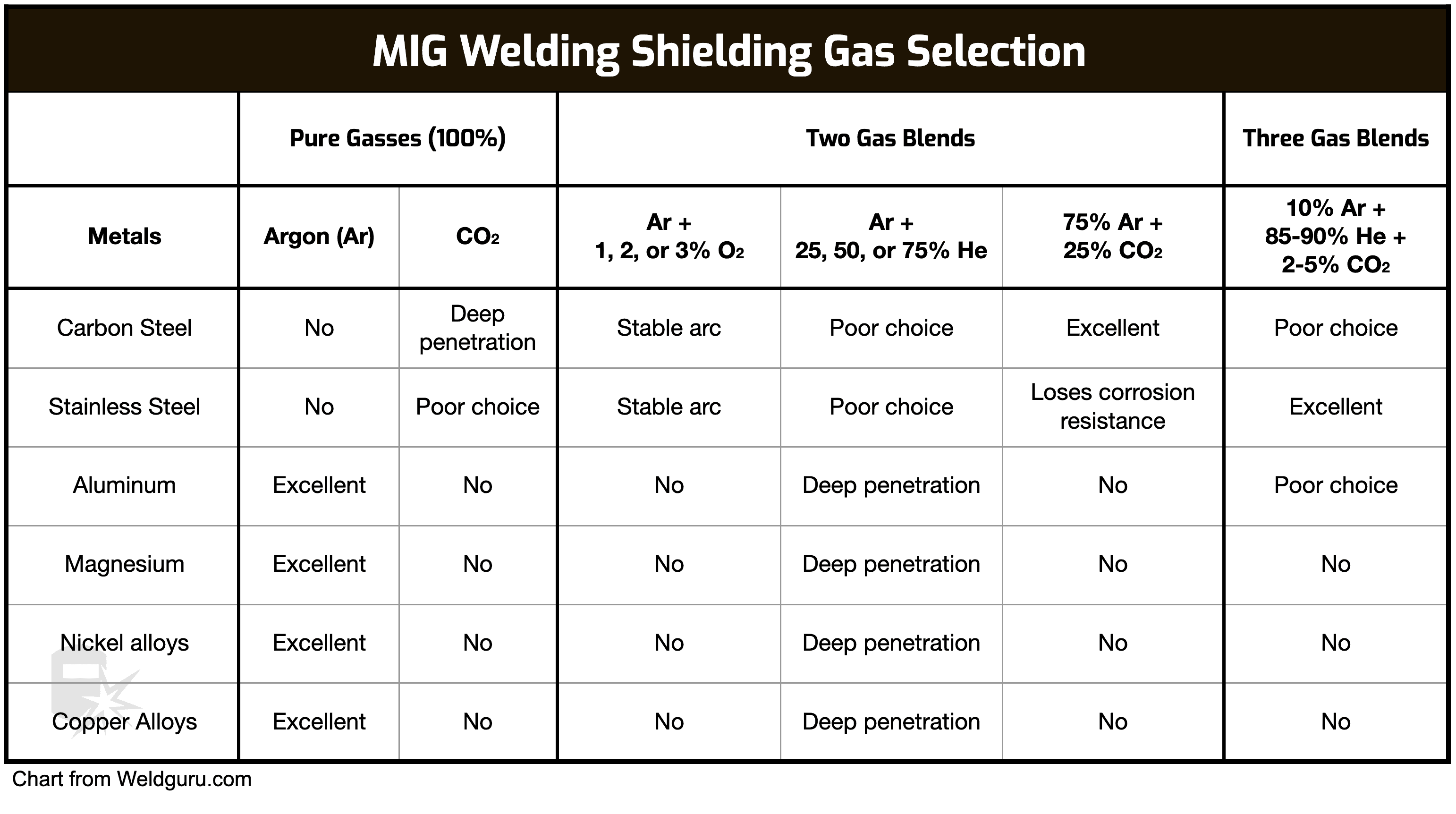
Best Gas for MIG Welding: What to Use (with Chart)
The Mild Steel Whisperers: Argon & CO2
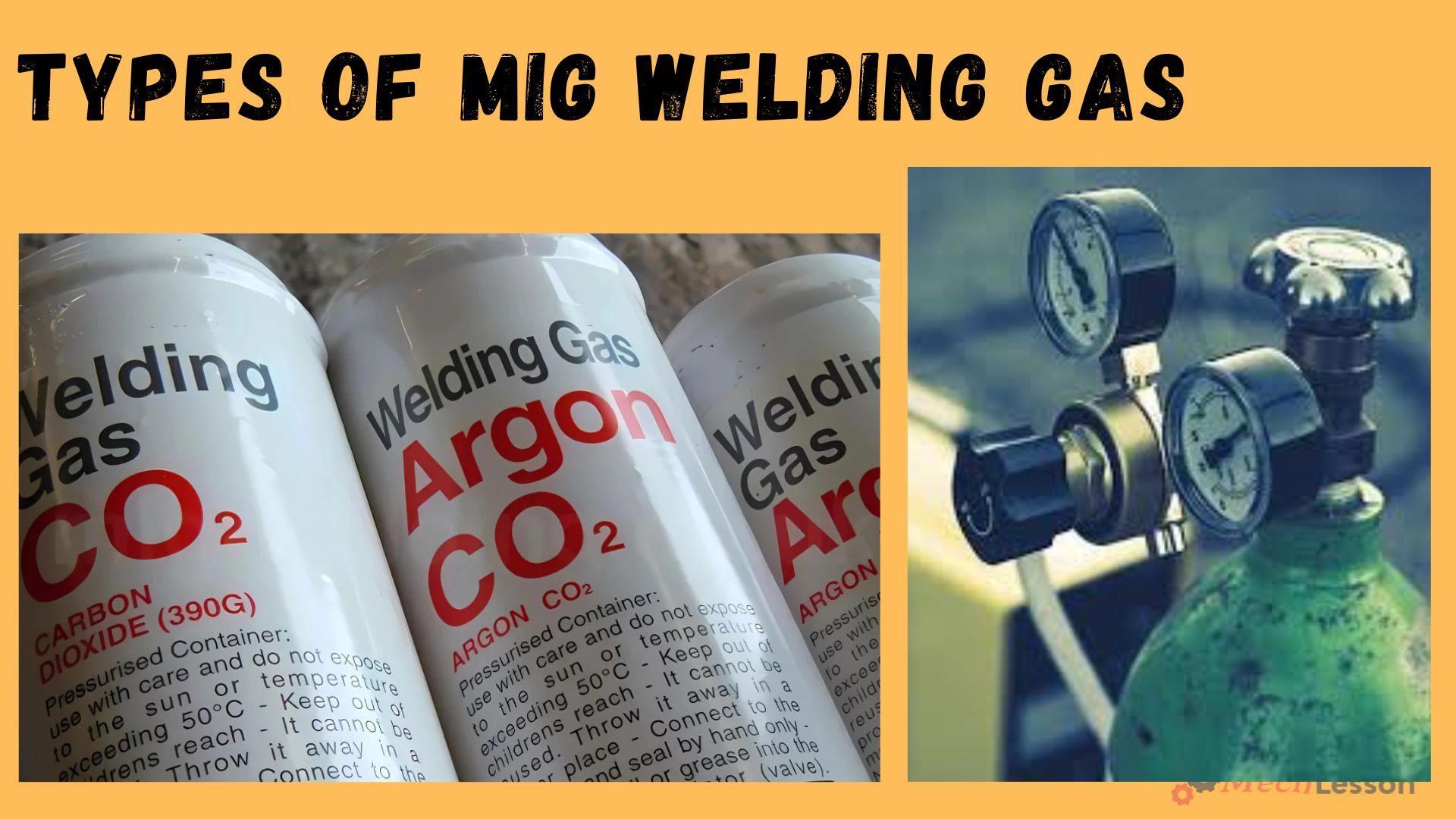
Now, for our trusty mild steel, there are a couple of go-to gases, often used in a friendly partnership. You've got Argon and Carbon Dioxide (CO2). Think of them as two different kinds of friends, each bringing their own personality to the welding table.
Argon is like the smooth operator. It’s an inert gas, meaning it doesn't react with anything. It creates a very stable arc and a super-smooth, clean weld bead, almost like a perfectly laid line of frosting. It's fantastic for precision and aesthetics. However, it can sometimes be a bit too "cold" for deeper penetration, especially on thicker materials.
Best MIG Welding Gas I Use for Mild Steel
Then there's Carbon Dioxide, or CO2. This gas is a bit more of a tough guy. It’s an active gas, meaning it does react a little during the welding process, which actually helps create a hotter arc and deeper penetration. It’s excellent for strong, robust welds, making it a favorite for many structural applications. The downside? It can sometimes be a bit spattery, like a firecracker popping off.
So, what's the perfect match for mild steel? Often, it's a brilliant combination: a mix of Argon and CO2. This blend gives you the best of both worlds – the smooth, stable arc and low spatter of argon, combined with the excellent penetration and puddle control of CO2. It’s like having a perfectly balanced dream team protecting your weld, ensuring strength, beauty, and reliability.
Shielding Gas for MIG Welding Mild Steel On a Home MIG Welder
The Priceless Protection
The next time you see a welder laying down a gorgeous weld bead on a piece of mild steel, take a moment to appreciate the silent, invisible hero at work. That steady flow of gas, whether it's pure CO2, a mix with Argon, or just Argon itself, is preventing disaster. It’s the reason those welds are strong enough to hold bridges, vehicles, and countless everyday items together. Without it, the world would literally fall apart at the seams!
It's a wonderful reminder that sometimes the most crucial components are the ones you can't even see. The humble tank of shielding gas sitting quietly next to the welding machine isn't just a utility; it's a guardian, a silent partner, and an indispensable part of transforming raw metal into something strong, functional, and surprisingly beautiful. So here's to the gas – the unsung champion of the welding world!