
Galvanic Corrosion Occurs Between Steel And
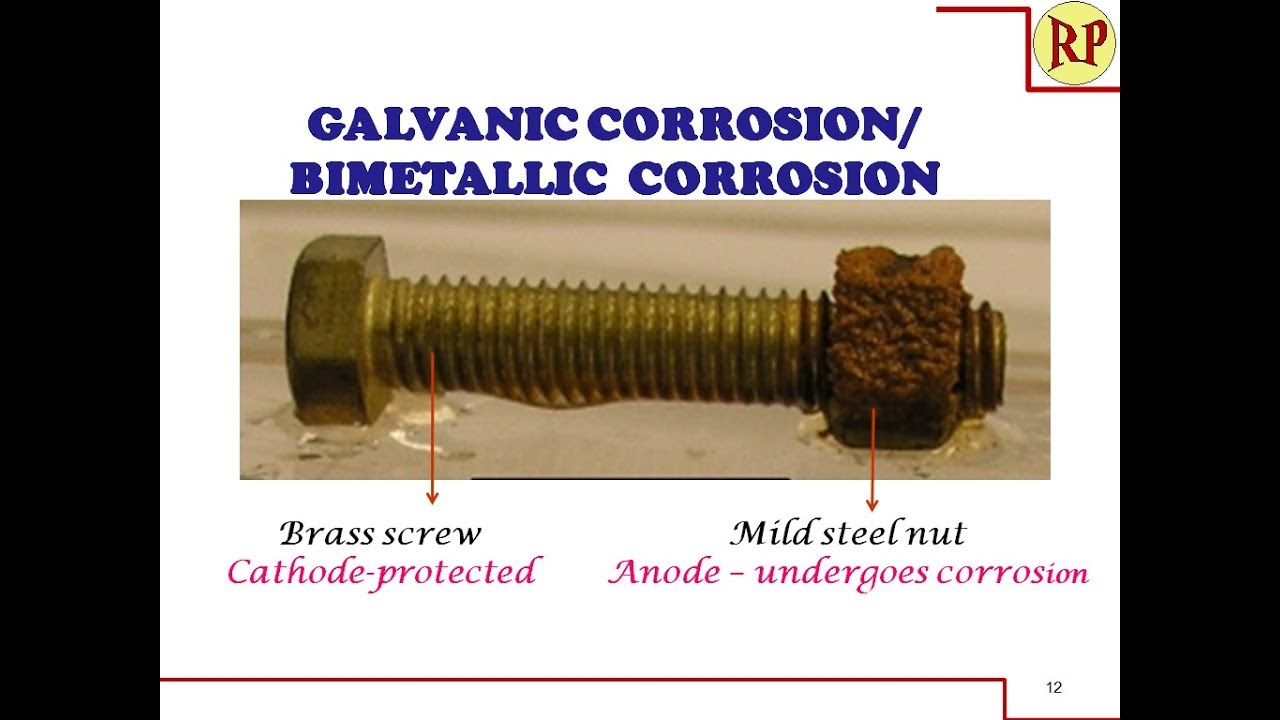
Ever heard of a metal love triangle gone wrong? That's kinda what galvanic corrosion is. Think of it as metal drama, but with rust and electricity!
Specifically, we're talking about steel getting cozy with... well, certain other metals. And things get zappy. Literally.
Steel's Romantic Woes: A Corrosive Affair
So, what's the deal? Steel, bless its strong, reliable heart, is actually pretty reactive. It wants to give away electrons. It’s like the overly generous friend who always pays for everything.
Must Read
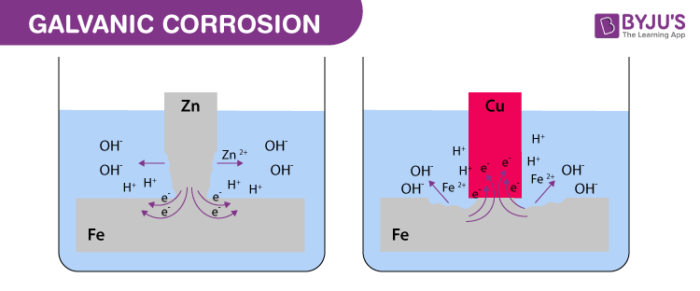
Now, introduce another metal. Maybe copper. Or aluminum. Or even good ol' zinc. If these metals are electrically connected to steel in a wet environment (like, say, rainwater or seawater), a tiny electric current starts flowing. Think of it as an awkward, forced friendship where one side is constantly being drained.
The steel becomes the anode – the one being sacrificed. It corrodes, it rusts, it basically throws itself under the bus for the sake of the other metal. Talk about a bad relationship!
The other metal, our sneaky beneficiary, is the cathode. It gets off scot-free (relatively speaking). It’s like that friend who always “forgets” their wallet.
Why Does This Even Happen? It's All About Potential!
Okay, a tiny bit of science. Each metal has an "electrode potential." It's basically a measure of how much a metal wants to give up its electrons. Steel has a different potential than copper. Or zinc. Or aluminum.
When two metals with different potentials are connected in a conductive environment, the metal with the lower (more negative) potential – that's often steel, in these scenarios – will corrode preferentially.
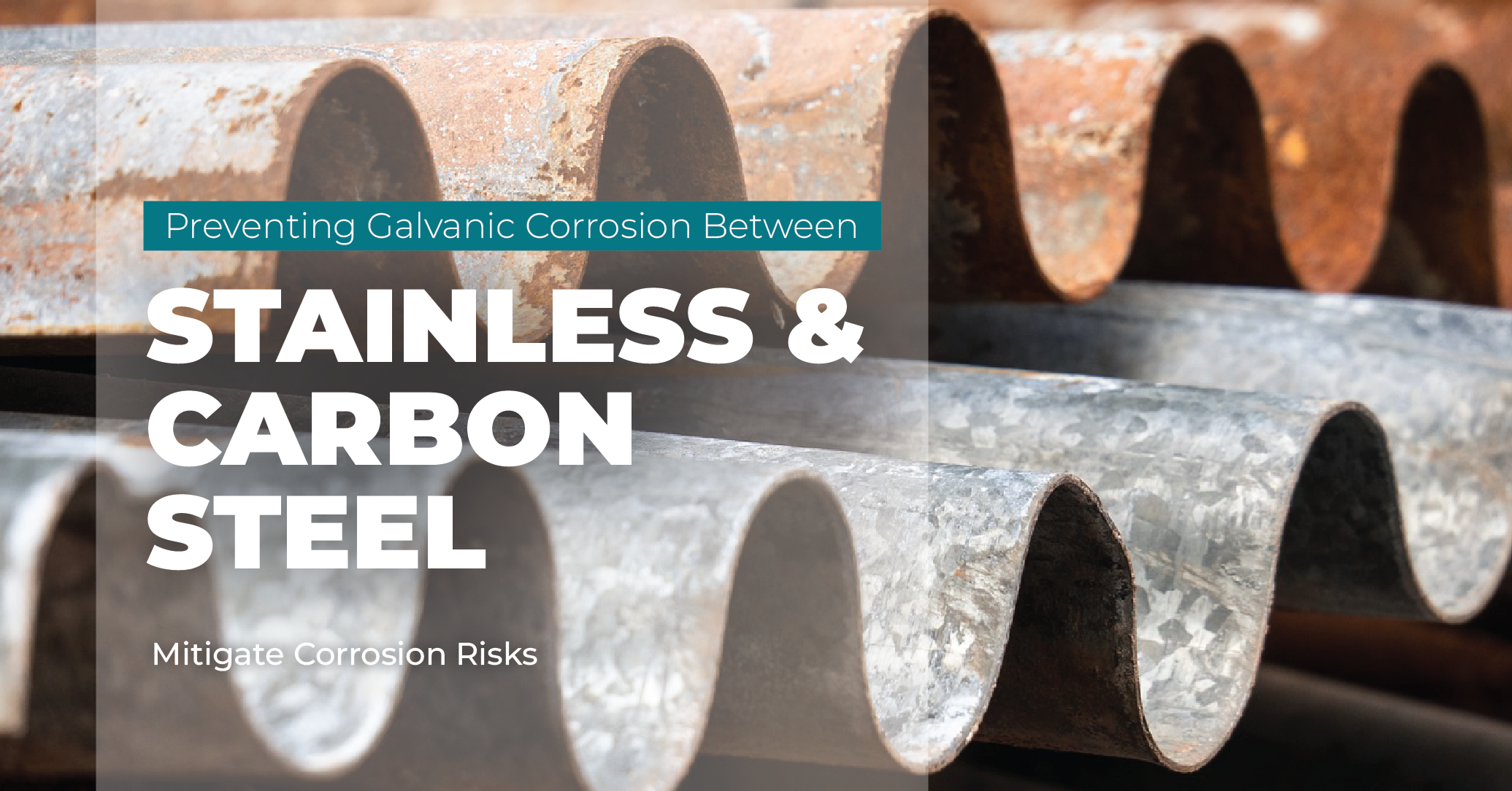
Think of it like this: the metal with the lower potential is the "weaker" metal, and it gets attacked by the "stronger" metal when they are in contact and connected by an electrolyte (like water).
Electrolyte is just a fancy word for a liquid that conducts electricity. Salty water is a great one! Which is why boats and marine structures are prime locations for galvanic corrosion drama.

Fun Facts and Quirky Details
* Did you know that galvanic corrosion is sometimes intentional? Yep! Sacrificial anodes made of zinc or aluminum are attached to steel structures (like ship hulls) to protect them from rusting. The zinc or aluminum corrodes instead of the steel. It’s the ultimate wingman. * The severity of galvanic corrosion depends on a bunch of things. The type of metals involved, the area of contact between them, and the conductivity of the electrolyte all play a role. * Seawater is like a galvanic corrosion supercharger. The salt makes it super conductive, so the electric current flows much more easily. Rust party! * You can actually measure the potential difference between two metals. It's like taking their relationship compatibility test. * Galvanic corrosion isn't just ugly; it can be dangerous. It can weaken structures, cause leaks, and even lead to catastrophic failures. So, taking preventative measure is crucial!Examples in the Wild (and Mildly Amusing)
Think about a steel bolt holding an aluminum panel on a boat. Saltwater gets in there, and BAM! Galvanic corrosion. The steel bolt might start to corrode, weakening the connection. Not good for a boat trying to stay afloat!
Or how about a copper pipe connected to a steel fitting? In a damp basement, galvanic corrosion could be slowly eating away at the steel fitting, leading to a leak. Drip, drip, drip... money down the drain!
Even something as simple as a stainless steel screw in an aluminum window frame can be a recipe for galvanic disaster, especially in coastal areas.
How to Avoid Metal Melodrama
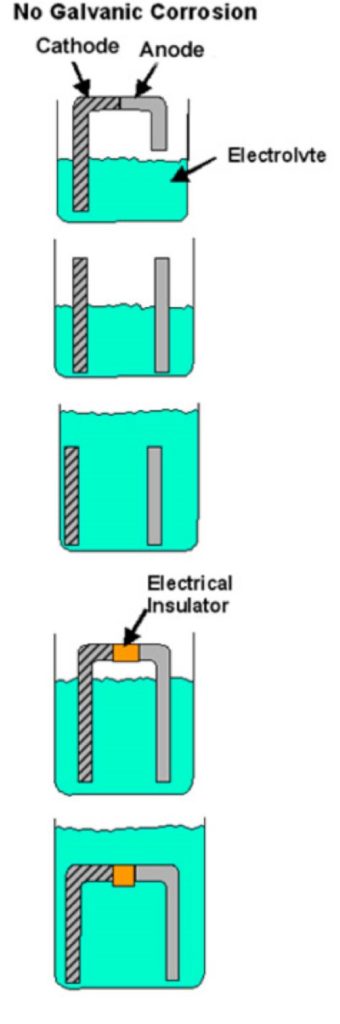
So, how do you prevent this metallic mayhem?
* Use similar metals: The easiest way to avoid galvanic corrosion is to use metals that are close to each other in the galvanic series. Less potential difference, less corrosion. Obvious, right? * Insulate: Physically separate the different metals with a non-conductive material, like plastic or rubber. Keep them from touching! It is like giving each metal personal space. * Coatings: Apply a protective coating, like paint or epoxy, to one or both of the metals. It’s like giving them a suit of armor. * Sacrificial anodes: As mentioned earlier, use a more reactive metal (like zinc or aluminum) as a sacrificial anode. Let it take the fall for the steel. It's brave and selfless! * Cathodic protection: Apply an external electric current to the steel structure. It’s like giving the steel a constant supply of electrons, so it doesn’t have to give them up to the other metal.Galvanic corrosion might sound like a nerdy science topic, but it’s actually a fascinating and important phenomenon that affects us all. From the cars we drive to the bridges we cross, it's a constant battle against the forces of electrochemical destruction. Just remember to keep your metals happy and electrically separated – and maybe offer them some therapy if things get too dramatic!