
Fused Deposition Modeling 3d Printer Definition
Okay, let's talk about 3D printers. Specifically, that one type everyone seems to have. You know, the one that looks like a robotic spider is slowly knitting you a plastic trinket?
We're diving into Fused Deposition Modeling, or FDM. Prepare for my... unique take. Don't say I didn't warn you!
What is FDM, really?
Basically, it's a hot glue gun with a serious attitude problem. Instead of glue sticks, it uses plastic filament.
Must Read
This filament gets melted and squirted out, layer by layer, until BAM! You have a tiny plastic Yoda. Or a slightly wonky phone case.
Think of it like building with Play-Doh, but the Play-Doh is molten plastic and the builder is a very precise, very slow machine.
The Technical (Kind Of) Explanation
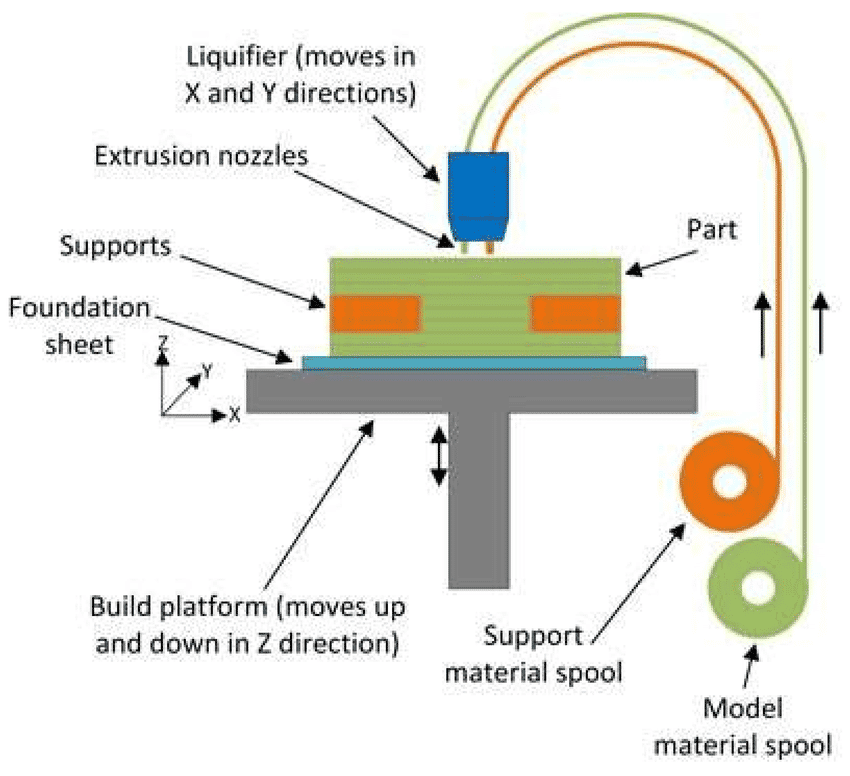
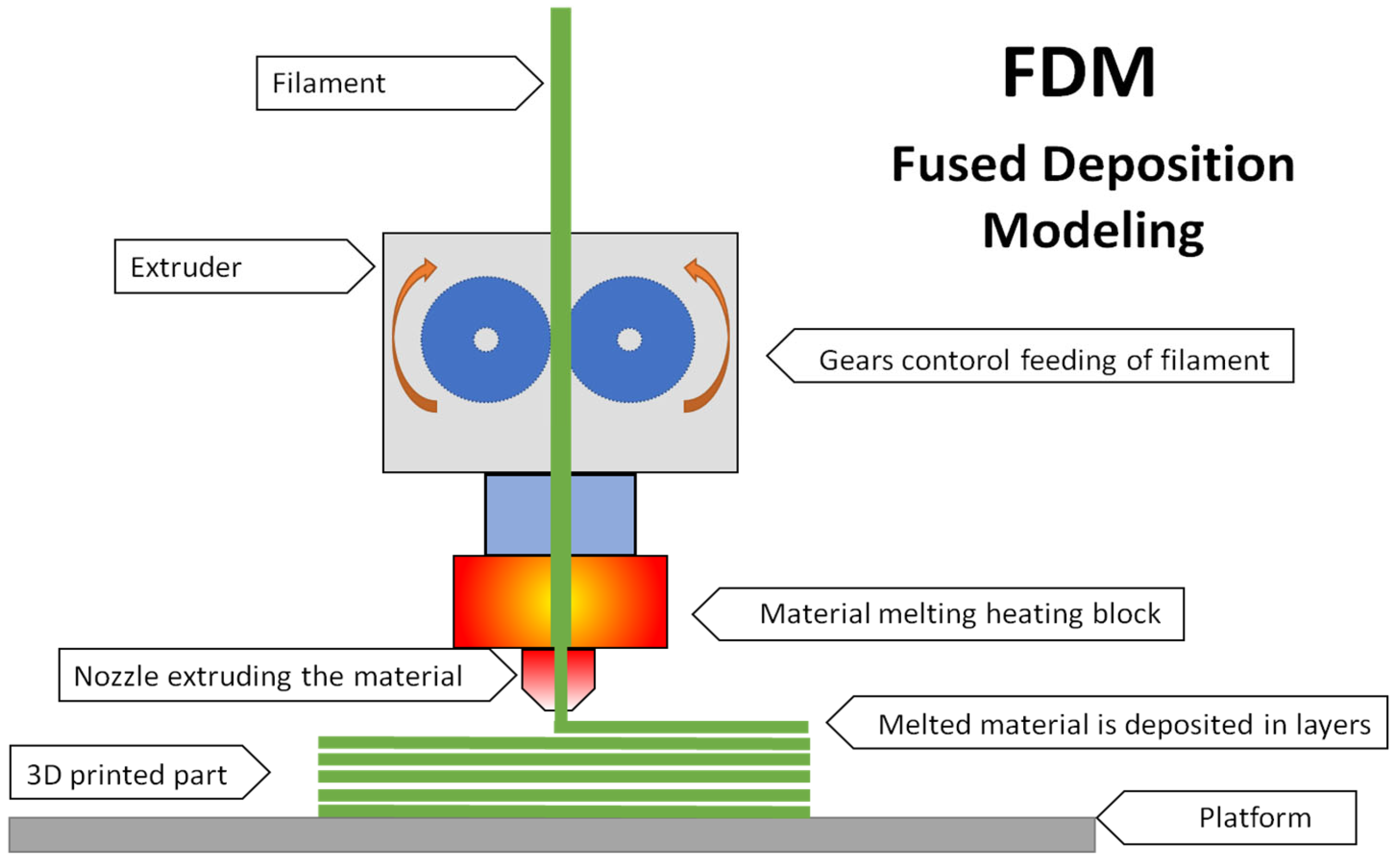
So, a spool of plastic filament feeds into a heated nozzle. The nozzle moves around according to a digital design.
It lays down thin lines of plastic. These lines cool and harden, bonding to the layer below.
Repeat this process thousands of times and, ta-da! You've got yourself a 3D printed object. Simple, right? (Don't answer that).
My Unpopular Opinion: FDM is… Fine.
Here's where I might lose some friends. But I gotta be honest: FDM printers are... just okay.
They're not magical replicators. They're not going to solve all your problems. Sorry to burst your bubble.

Look, they're great for prototyping and making custom doodads. But let's be real; the finished product often looks...well, 3D printed. You know what I mean.
The Layer Lines Are Real
Those visible layer lines? They haunt my dreams. It's like looking at topographical map of your desk.
Sure, you can sand them down. Or use some fancy chemical smoothing stuff. But who has time for that?
I'd rather just buy a smooth, injection-molded thing from the store. Sacrilege, I know!
The Plastic is… Plastic-y
Let's talk about the plastic itself. PLA, ABS, PETG... the alphabet soup of 3D printing materials.
They all have their pros and cons. But at the end of the day, it's still just plastic. It often feels… cheap.
I'm not saying it's always bad. But if you're expecting the feel of polished metal or smooth ceramic, you're going to be disappointed.
The Allure of Creation
Okay, okay, I'm being a bit harsh. There's something undeniably cool about creating something from nothing.

Taking a digital design and turning it into a physical object is pretty awesome. I'll give FDM that.
And the possibilities are endless! Phone stands! Cookie cutters! Tiny plastic dragons! The world is your oyster… made of plastic.
The DIY Factor
FDM printers are also great for DIY enthusiasts. You can fix broken things around the house.
Or create custom parts for your latest project. That's actually pretty useful, I admit.
Just be prepared to spend hours tinkering with settings and troubleshooting. It's not always a plug-and-play experience.
So, Should You Buy an FDM Printer?
That depends. Do you enjoy fiddling with technology?
Are you okay with imperfections? Do you have a burning desire to create your own plastic army?

If you answered yes to most of those, then go for it! Just don't expect miracles.
Manage Your Expectations
Remember, FDM printing is a process. It takes time and patience.
Your first print might look like a melted gummy bear. Don't be discouraged!
Keep experimenting, keep learning, and eventually you'll be printing masterpieces. Or at least, slightly less wonky phone cases.
The Future of FDM (Maybe)
Technology is always improving. Maybe someday FDM printers will produce flawless, high-quality objects.
Maybe layer lines will be a thing of the past. Maybe plastic will feel like diamonds. Okay, probably not diamonds.
But until then, I'll stick with my lukewarm opinion. FDM is fine. And that's perfectly okay.
Other 3D Printing Technologies
Let's not forget that FDM isn't the only 3D printing game in town.
There's SLA (Stereolithography), which uses resin and lasers. And SLS (Selective Laser Sintering), which uses powder.
These technologies can produce much more detailed and refined results. But they're also generally more expensive and complex.
In Conclusion: Embrace the Imperfections
So, where does that leave us? With a slightly controversial opinion and a whole lot of plastic.
I'm not saying FDM printers are bad. I'm just saying they're not perfect. And that's okay!
Embrace the imperfections. Celebrate the DIY spirit. And never underestimate the power of a tiny plastic Yoda.
The Final Word
Whether you're a seasoned 3D printing pro or just curious about the technology, I hope this article gave you a chuckle.
And maybe, just maybe, convinced you that it's okay to not be completely obsessed with FDM printers.
Now go forth and print! Just don't blame me if your phone case falls apart. Happy printing!