
Frozen Water Pipes What To Do
:max_bytes(150000):strip_icc()/how-to-thaw-a-frozen-water-pipe-2124986_FINAL-edit-01-6ff53ed13c7e41559df7070680efe4a6.jpg)
You know that moment, right? That crisp, clear winter morning, everything looks beautiful, maybe a fresh dusting of snow. You're feeling pretty good about life, perhaps even thinking about that second cup of coffee. You wander into the bathroom, turn on the tap to wash your hands, and… nothing. Or maybe just a pathetic little trickle that quickly gives up the ghost. Your heart sinks faster than a snowball in a hot tub. Frozen pipes. Those two words can send shivers down any homeowner's spine, and trust me, it’s not from the cold.
It's like your house is telling you, "Hey, I've got a problem, and it's probably going to be expensive!" But before you panic and start Googling emergency plumbers at 6 AM (which, let's be honest, we've all done for various household crises), take a deep breath. This isn't necessarily a disaster in the making, but it is a call to action. And guess what? You've got this. Seriously.
First Things First: Don't Panic, But Do Act
The biggest danger with a frozen pipe isn't just the inconvenience of no water; it's the potential for it to burst. Water expands when it freezes, creating immense pressure. When that pipe thaws, if it's already cracked, you're looking at a serious indoor waterfall. And nobody wants that kind of water feature in their living room, am I right?
Must Read
So, your absolute, number one, immediate action item is this:
Turn off your main water supply.

Seriously, do it now. Go find that valve, usually in your basement, crawl space, or near your water meter. This is your insurance policy against a major flood if the pipe decides to burst during or after thawing. You'll thank yourself later, I promise.
How Do You Even Know It's Frozen?
Okay, so you have no water, but how do you pinpoint the problem? Here are a few clues:
- No water (or very little) from a specific faucet: This is the most obvious one. If one tap works and another doesn't, it’s likely isolated.
- Visible frost on pipes: If you can see exposed pipes (under sinks, in basements, outside walls), look for ice or frost on the outside. That's a dead giveaway.
- A bulge in the pipe: This is a major red flag. It means the ice has expanded so much that it's distorting the pipe. This pipe is on the verge of bursting, if it hasn't already.
Once you’ve turned off the main water valve, go ahead and open the affected tap (or taps). This will help relieve pressure in the system as the ice melts, allowing water to flow out. Think of it as giving the pipe a little breathing room.

Time to Thaw (Carefully!)
Now for the main event: thawing that stubborn block of ice. The key here is gentle, gradual heat. We are not trying to set records for fastest thaw; we’re aiming for safest thaw. Here’s how you can tackle it:
1. Locate the blockage: Start tracing the pipe from the cold spot towards the water source. Often, pipes freeze in unheated areas like basements, crawl spaces, garages, or against exterior walls. Look for those frosty spots!

2. Apply heat, but keep it moving:
- Hairdryer: Your best friend for this task. Set it to a low or medium heat and keep it moving back and forth along the frozen section. Don't hold it in one spot for too long, as you don't want to overheat the pipe.
- Heating Pad/Electric Blanket: If you can wrap one around the pipe, this provides gentle, consistent heat. Great for less accessible areas if you can secure it safely.
- Warm Towels: Soak towels in hot water, wring them out, and wrap them around the pipe. You'll need to re-soak them frequently as they cool.
- Portable Space Heater: If the pipe is in an accessible, open area (like a basement), you can aim a space heater at the general area. Again, maintain a safe distance and never, ever leave it unattended. Fire safety first, people!
What to AVOID at all costs: Open flames (like a propane torch) or direct boiling water. These can cause the pipe to heat up too quickly, leading to cracking or bursting. Plus, open flames near anything flammable in your house is a hard no. You're smarter than that!
The Moment of Truth: After Thawing
Once you think the pipe is thawed (water should start flowing from the open tap if the blockage is cleared), it's time for the big reveal. Slowly, slowly turn your main water supply back on. And I mean slow! Keep a close eye and ear on that pipe. Listen for drips, watch for visible leaks. If you spot anything, turn the main water off immediately.
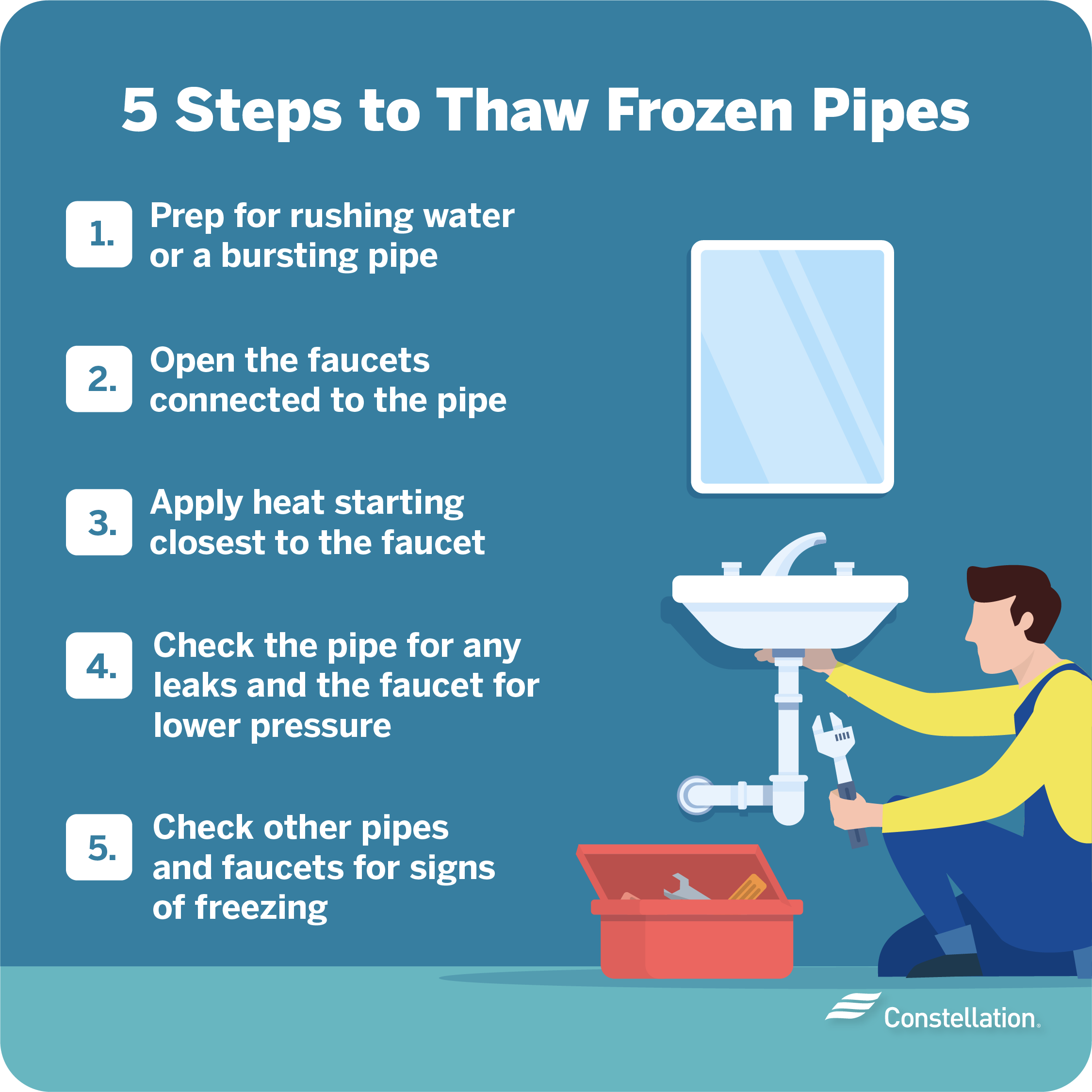
If all looks good, let the water run through the affected tap for a few minutes. This helps ensure all the ice is gone and flushes out any air in the lines. Go on, give yourself a pat on the back; you just saved yourself a hefty plumbing bill!
When to Call in the Big Guns (A Plumber)
Sometimes, despite your best efforts, the ice just won't budge, or the pipe is in a wall and completely inaccessible. Or, worst-case scenario, you've discovered it's already burst. In any of these situations, it's time to call a professional. Don't be a hero and risk more damage. They have specialized tools and expertise to handle the trickier situations.
Dealing with frozen pipes is never fun, but by knowing these steps, you can tackle the problem calmly and effectively. And maybe, just maybe, it'll make you double-check your insulation next winter. Stay warm out there!