
Flux Core Wire For Mig Welder

Ever gazed at a beautifully crafted metal sculpture or a sturdy garden gate and thought, "I wish I could make that"? Or perhaps you're just looking to mend a beloved patio chair that's seen better days. Welding, for many, feels like a skill reserved for industrial giants or grizzled pros. But what if I told you there's a gateway to this world that’s as accessible as it is versatile? Enter the unsung hero of many a DIY workshop: Flux Core Wire for MIG Welders.
Forget the intimidating gas tanks and complicated setups for a moment. Flux core welding, often called FCAW (Flux-Cored Arc Welding), is like the friendly, approachable cousin in the welding family. It's designed to get you from "I wish" to "I made this!" with a lot less fuss.
What Exactly Is Flux Core Wire?
Imagine a tiny, self-contained welding powerhouse. Unlike solid MIG wire, which relies on an external shielding gas to protect the molten weld pool from contaminants in the air, flux core wire has a special ingredient – a flux compound inside its hollow core. When the arc starts, this flux burns, creating its own protective gas shield. Think of it as a mini, personal bodyguard for your weld, keeping oxygen and nitrogen away from your hot metal.
Must Read
This ingenious design means you can say goodbye to the bulky gas cylinders, regulators, and hoses. It’s like opting for a multi-tool over carrying an entire toolbox – incredibly convenient and ready for action wherever you are.
Why You'll Fall in Love with Flux Core
So, why is this particular wire earning so much love from hobbyists and pros alike? Let’s count the ways:
-
Portability is King: Without a gas tank, your MIG welder becomes incredibly mobile. Want to fix that fence gate at the back of your yard? No problem. Need to weld something at a friend's place? Just pack your welder, grab your wire, and you’re good to go. It’s the MacGyver of welding setups – simple, effective, and ready for adventure.

Snapklik.com : ARCCAPTAIN Flux Core Welding Wire .035, E71T-GS 035 Flux -
Brave the Elements: Wind can be a welder's nemesis, often blowing away external shielding gas and ruining your weld. Since flux core creates its own internal shield, it's far more forgiving in breezy outdoor conditions. So go ahead, tackle that outdoor project without constantly checking the wind forecast.
-
Less Prep, More Play: While cleaning your metal is always recommended for the best results, flux core is notoriously tolerant of surface contaminants like rust, paint, and dirt. It can burn through these imperfections, making it a fantastic choice for repair work on less-than-pristine surfaces. (Still, a quick wire brush never hurt anyone!)
-
Cost-Effective Entry: Skipping the gas cylinder rental or purchase significantly lowers your initial investment in MIG welding. This makes it an incredibly attractive option for beginners dipping their toes into the world of metal fabrication.
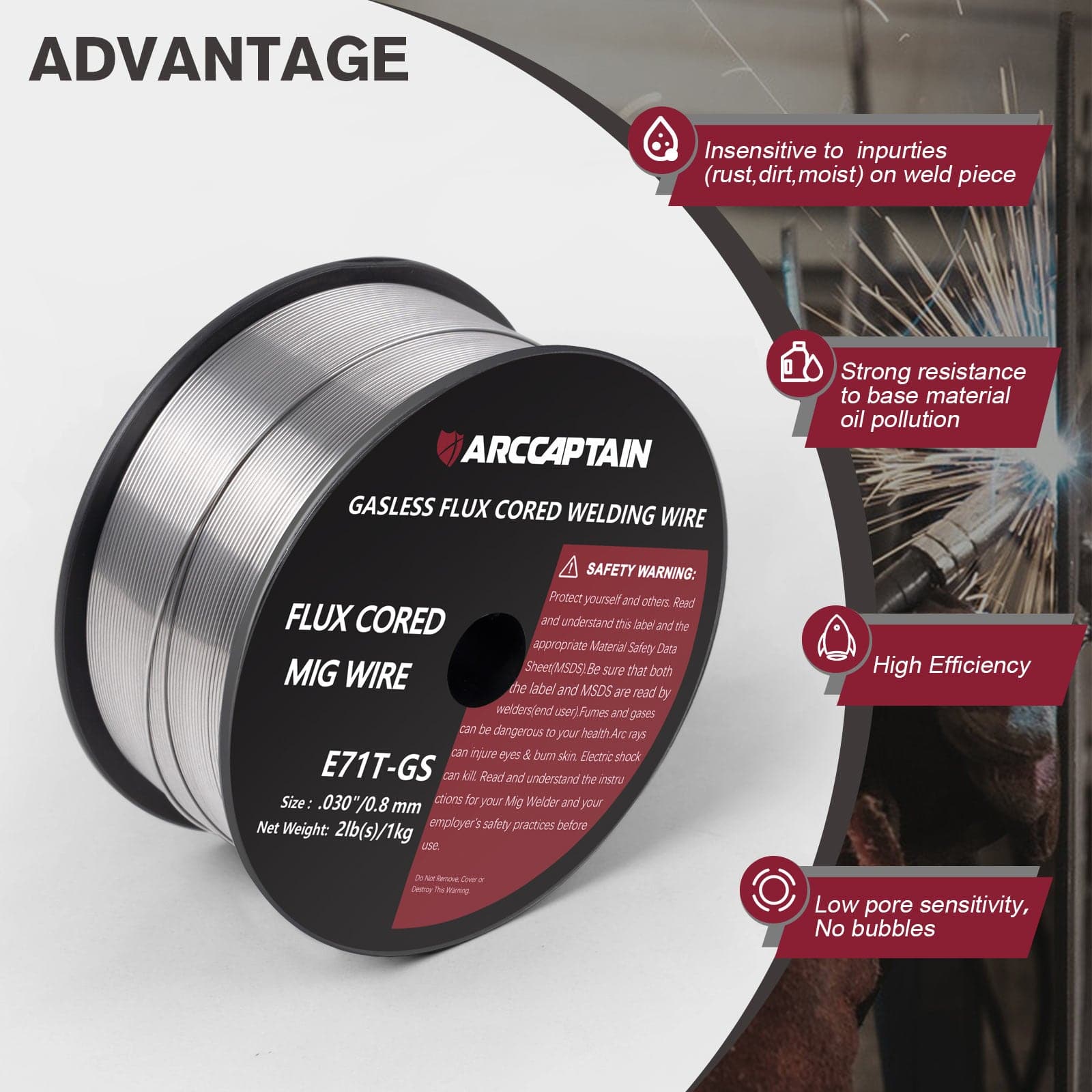
E71T-GS Spool Gasless Carbon Steel Mig Flux Core Welding Wire -
Deeper Penetration: Flux core often provides better penetration into thicker metals compared to solid wire at similar settings. This means stronger, more robust welds, which is always a plus for structural integrity.
Getting Down to Business: Practical Tips
Ready to spark things up? Here are a few insider tips to make your flux core experience smooth and satisfying:
-
Check Your Polarity: This is crucial! Most flux core wires require DCEN (Direct Current Electrode Negative) polarity. If your welder is set up for solid wire (DCEP), you’ll need to switch the leads. Incorrect polarity leads to a messy, sputtering, frustrating time. Think of it like putting the wrong fuel in your car – it just won't run right!
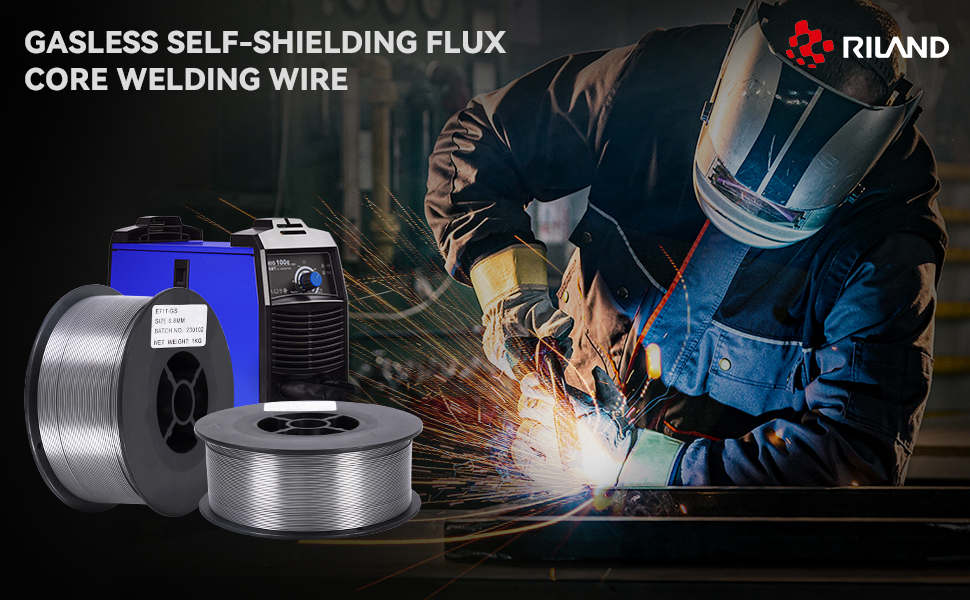
RILAND flux core welding wire 030: E71TGS Gasless Welding Mig Wire .030 -
The "Push" Technique: With flux core, you generally want to "push" the weld puddle rather than "pull" it. This helps drive the flux and slag behind the puddle, allowing the molten metal to solidify cleanly.
-
Longer Stick Out: Compared to solid wire, you often need a slightly longer wire stick out (the amount of wire protruding from the contact tip). Experiment to find the sweet spot, but around 1/2 to 3/4 inch is a good starting point.
-
Mind the Spatter: Flux core can generate more spatter (small molten metal droplets) than solid wire. A quick spray of anti-spatter before welding can save you clean-up time, and a wire brush will quickly remove any that does stick.
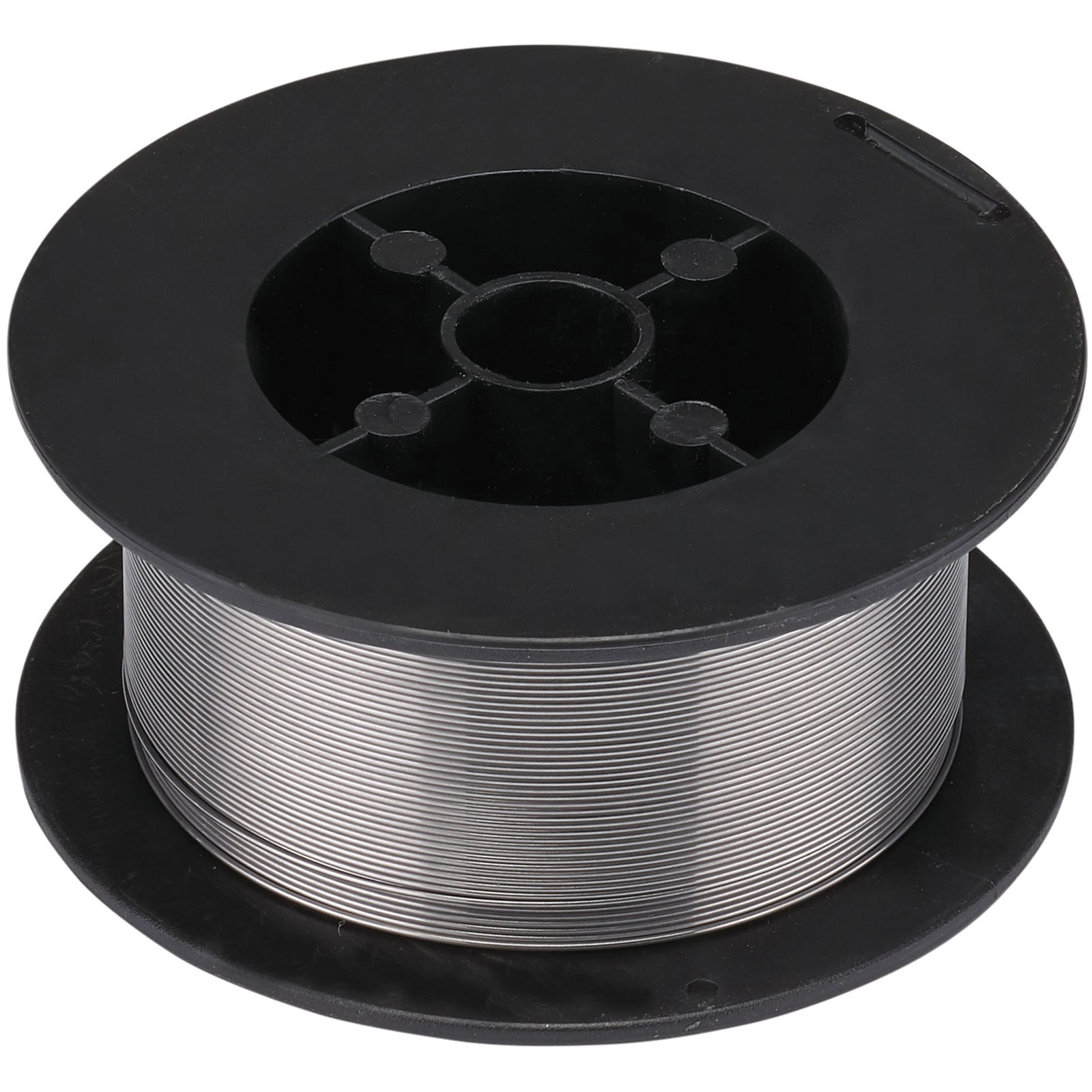
Flux Cored MIG Welding Wire, 0.8mm (450g Pack) | Rapid Electronics -
Ventilation is Key: Because the flux is burning, it creates more smoke and fumes than solid wire. Always work in a well-ventilated area, and consider a fume extractor or a good respirator. Your lungs will thank you!
-
Wire Choice Matters: For general DIY and light fabrication, a self-shielded E71T-GS wire (e.g., 0.030" or 0.035") is a common and excellent choice. Always match the wire diameter to your welder's capabilities and the thickness of the metal you're welding.
Beyond the Sparks: A Daily Life Reflection
Learning to weld with flux core is more than just acquiring a new skill; it's about embracing the power of creation. It's the satisfaction of seeing two separate pieces of metal become one strong, unified whole. This journey, much like life itself, is full of small challenges and big triumphs.
Sometimes your welds will be messy, and other times they'll be beautiful beads. But with each spark, each sizzle, and each successfully joined piece, you're not just building a project – you're building confidence, problem-solving skills, and a deeper connection to the material world around you. So, grab that welder, load up some flux core wire, and start building your next amazing thing. The possibilities are, quite literally, limitless.