Floating Production Storage And Offloading Fpso

Ever wondered how we get oil and gas from way out in the ocean, far beyond where land-based platforms can reach? It's a fascinating engineering puzzle, and the answer often involves a marvel of modern technology called a Floating Production Storage and Offloading (FPSO) unit. These behemoths of the sea are essentially floating factories, processing oil and gas and then storing it until it can be shipped away. Learning about them is not only cool, but it also sheds light on the complexities of our global energy supply and the innovative solutions engineers create to meet our needs.
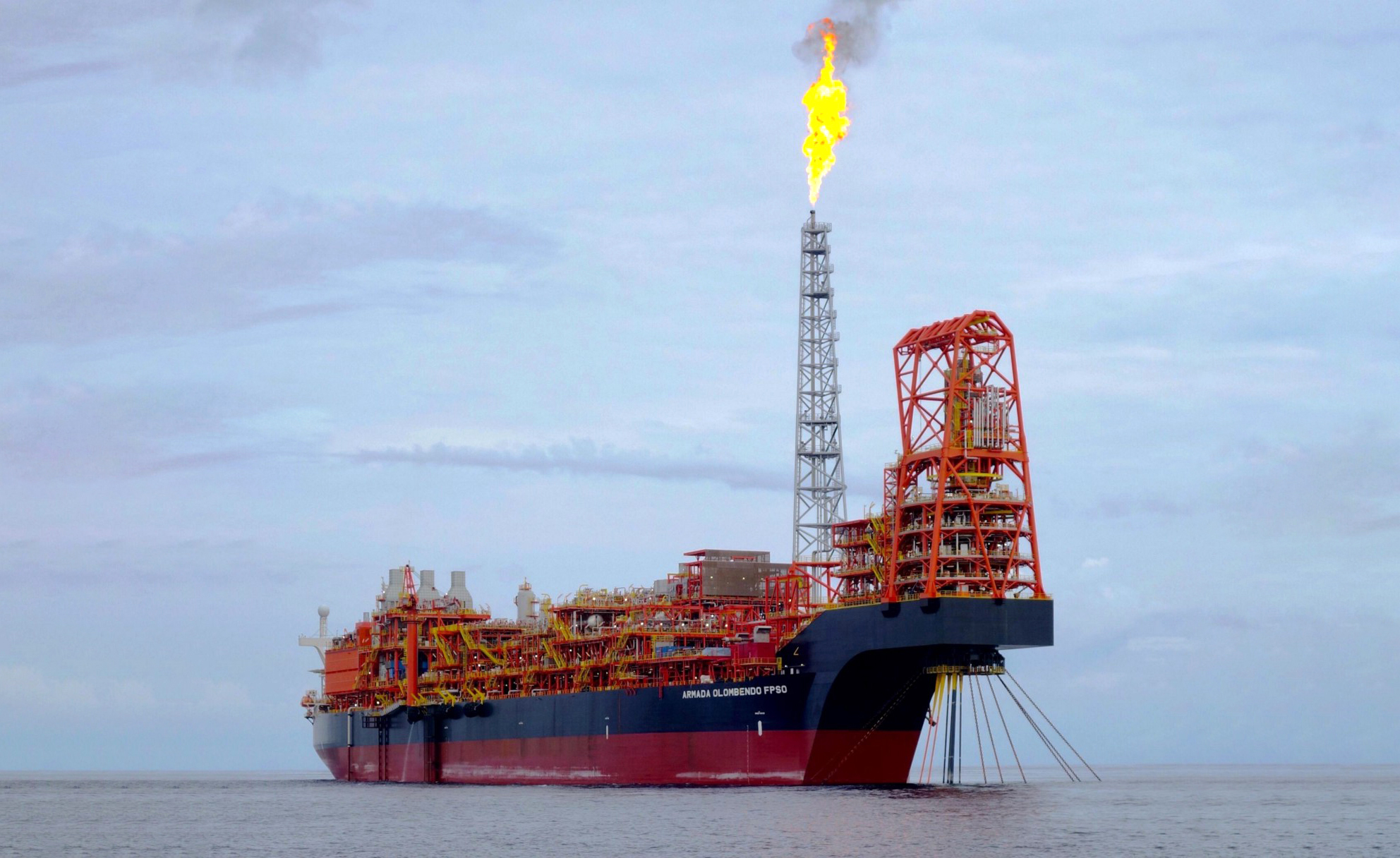
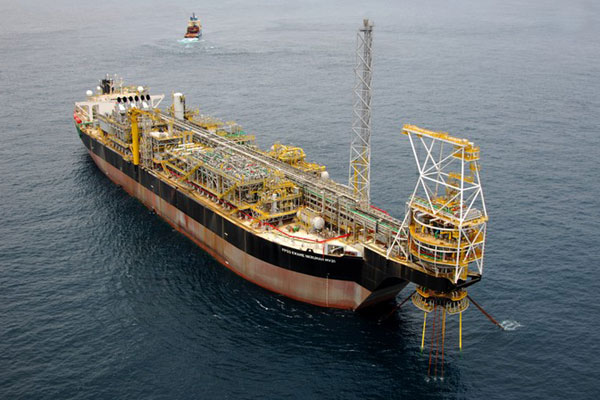
So, what exactly is an FPSO? Imagine a giant ship, but instead of carrying cargo, it's packed with equipment for separating oil, gas, and water, and stabilizing the hydrocarbons. It then has huge storage tanks to hold the processed oil until a tanker arrives to take it to refineries on land. The “floating” part is crucial because it allows these units to operate in deepwater environments where fixed platforms would be too expensive or technically challenging to build. Think of it as a self-sufficient, mobile oil and gas processing plant that can be deployed to remote offshore locations.
The benefits of using FPSOs are numerous. They offer flexibility because they can be moved from one oil field to another once production declines. This contrasts with fixed platforms, which are permanent structures. They are also economically viable for smaller, marginal oil fields that might not justify the huge investment of a fixed platform. Furthermore, they are often quicker to deploy than fixed platforms, allowing for faster extraction of valuable resources. In essence, FPSOs make accessing offshore oil and gas reserves easier, more affordable, and more adaptable.
Must Read
You might not directly encounter an FPSO in your daily life, but their influence is undeniable. The fuel that powers your car, the plastics in countless everyday items, and the energy that heats your home are all often sourced from offshore oil and gas fields served by FPSOs. Even in education, FPSOs can be used as a powerful illustration of engineering principles. Students studying naval architecture, chemical engineering, or environmental science can learn about their design, operation, and the environmental considerations associated with their use. Many university engineering programs use FPSO simulations to provide hands-on experience to students.
Want to explore the world of FPSOs further? A great starting point is online. Search for videos of FPSO deployments and operations on platforms like YouTube. Many engineering companies and oil and gas corporations have informative videos and articles on their websites. You can also find interactive 3D models of FPSOs online, allowing you to explore their internal workings. Think about the challenges of building and operating such a complex vessel in the harsh marine environment. What kind of engineering solutions are needed to withstand storms and corrosion? Understanding the sheer scale and complexity of FPSOs is a testament to human ingenuity and our ongoing quest for energy resources. So, dive in and discover the fascinating world of these floating giants!