
First Alert Smoke Detector Troubleshooting
Okay, picture this: it's 2 AM, you're deep in dreamland, probably fighting dragons or winning the lottery, and then BAM! A high-pitched, insistent chirping slices through the quiet like a tiny, angry bird on a caffeine high. You bolt upright, heart pounding, only to realize it's not a dragon, nor is it your lucky numbers being called... it's your trusty, yet infuriating, First Alert smoke detector. Sound familiar? Because, let me tell you, it's a universal experience that almost makes you want to live in a treehouse. Almost.
That little nocturnal wake-up call, as annoying as it is, is actually a crucial reminder that these vigilant guardians are doing their job. But sometimes, their "job" involves giving us a headache. So, instead of letting it drive you absolutely bonkers, let's channel that frustration into some good old-fashioned troubleshooting. Because, let's face it, keeping your home safe shouldn't feel like a cryptic puzzle, right?
The "Why Is It Beeping?!" Mystery
First things first, distinguish between a chirp and a full-blown alarm. A chirp is usually that low-battery warning – a little "hey, I'm fading here!" plea. A full alarm? That means it thinks there's an actual emergency, or it's just being a drama queen. Knowing the difference is your first step to sanity, my friend.
Must Read
First Stop: The Simple Stuff (Your Checklist, Buddy)
Trust me, 90% of the time, the solution is embarrassingly simple. So, before you grab a broom and start swatting (don't do that, by the way), let's go through the basics.
Batteries, Batteries, Batteries!

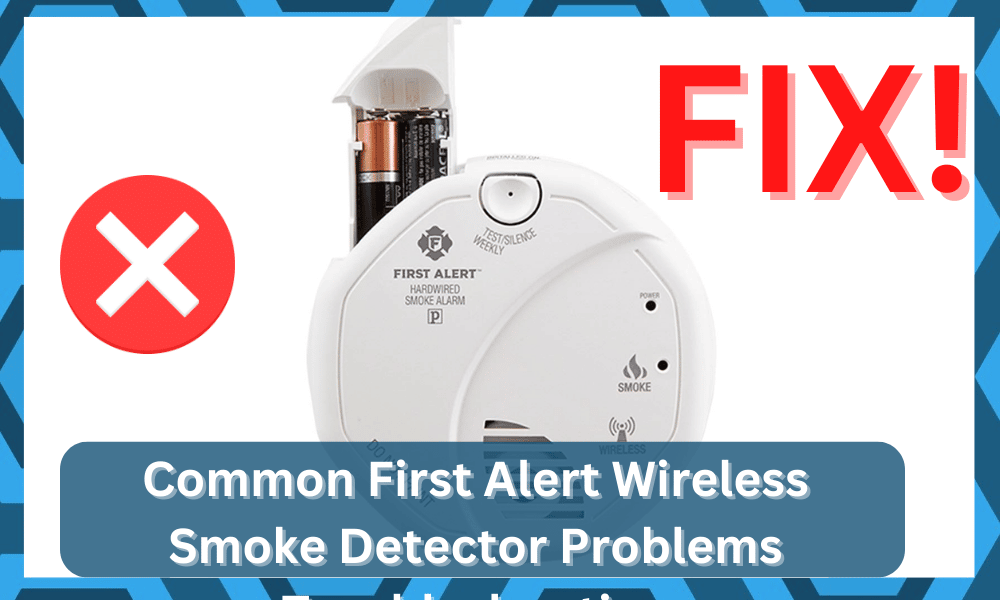
This is the prime suspect for chirping. Most First Alert detectors use a 9-volt battery, or sometimes AA/AAA. When it starts chirping every 30-60 seconds, it's telling you its juice is running low. Change it! Seriously, it's like magic. Make sure you use a fresh, high-quality battery, and don't just swap it out with another dead one you found in the back of a drawer (we've all been there, no judgment!).
For Hardwired Units: Power Supply Check
If your First Alert detector is hardwired into your home's electrical system, it usually has a backup battery. If the power goes out, or if there's an issue with the circuit, that backup battery might start chirping. Check your circuit breaker – maybe something tripped. Also, ensure the unit is securely connected to its mounting bracket and the wiring is snug. Sometimes a loose connection can cause a fuss.
False Alarms? Let's Play Detective!
Ah, the classic "I burnt the toast" alarm. Smoke detectors are incredibly sensitive, which is good for safety, but less good for your breakfast habits. Here are some common culprits for unwarranted shrieks:
- Cooking Fumes: A steak seared a little too aggressively? Popcorn gone rogue? High heat or actual smoke from cooking is the number one cause. Try to keep kitchen smoke contained or improve ventilation when cooking.
- Dust and Debris: Believe it or not, dust, dirt, and even tiny insects can accumulate inside the sensing chamber, making the detector think there's smoke. Gently vacuum around the unit with a soft brush attachment, or use canned air to clear it out. Do this regularly! It's preventative maintenance, like flossing for your smoke detector.
- High Humidity/Steam: A steamy shower or a boiling pot of water too close to the detector can sometimes trigger it. Make sure there's proper ventilation in bathrooms and kitchens.
- Chemical Fumes: Strong cleaning products, paint fumes, or even aerosol sprays can sometimes fool the sensor. Air out the area if you're using these.
When It's Not Just a Chirp: The Full-Blown Siren
If your detector is blaring at full volume, it's designed to get your attention ASAP. First, obviously, if there's a fire, get out! But if you've confirmed there's no actual fire, here's what to consider:
Interconnected Systems: Many modern First Alert units are interconnected. If one detects an issue, they all go off. This is great for safety, but can be confusing. To find the source, look for the unit that has a rapidly flashing red light – that's typically the one that initiated the alarm.
Resetting Your Grumpy Guardian
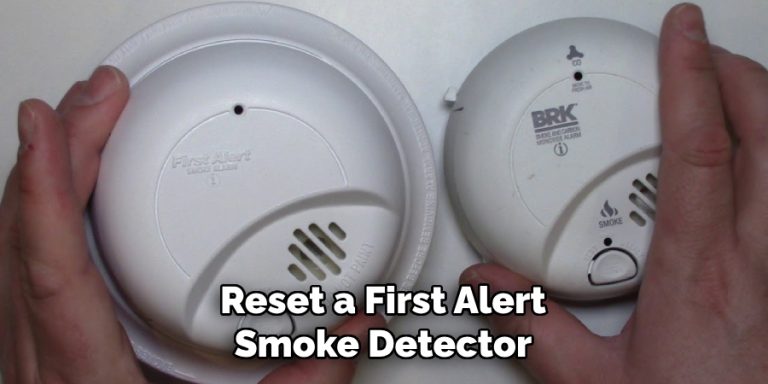
Once you've identified and fixed the problem (new battery, cleared the air, vacuumed out dust bunnies), you'll often need to reset the detector. Most First Alert models have a test/silence button. Press and hold it for 15-20 seconds. If that doesn't work, for battery-powered units, remove the battery, press and hold the test button for 10-15 seconds to drain any residual charge, then reinsert the battery. For hardwired units, you might need to briefly turn off the power at the circuit breaker.
The "When All Else Fails" Section (And When to Call for Backup)
Sometimes, despite your best detective work, the detector just keeps acting up. Here's when to wave the white flag:
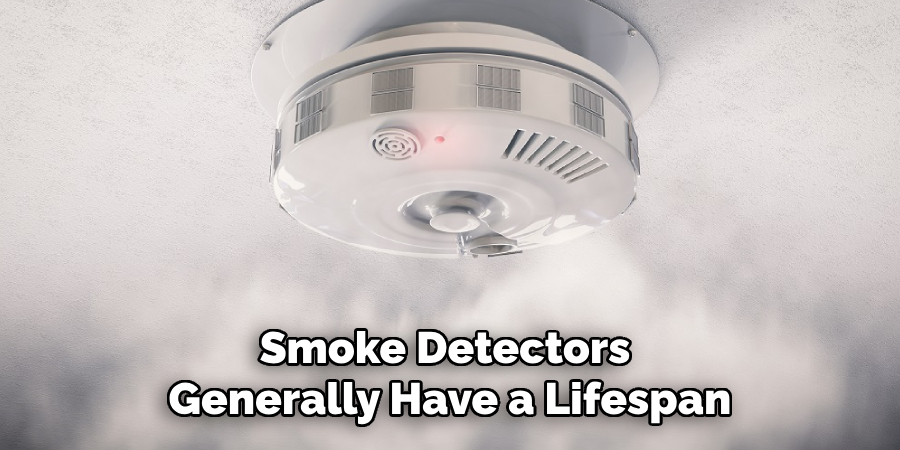
- Age Matters: Smoke detectors aren't forever. They have a lifespan, usually around 10 years. Look for a "replace by" date on the back of the unit. If it's past its prime, it's time for a new one. Seriously, this is non-negotiable for safety.
- Persistent Malfunctions: If it's still alarming randomly after you've tried everything, it might simply be faulty. Electronics can fail, even these crucial ones.
- Professional Help: For hardwired systems, if you've checked the breaker and confirmed the unit is getting power but it's still misbehaving, it might be an issue with your home's wiring or the unit itself. Don't hesitate to call an electrician or replace the unit entirely.
Troubleshooting your First Alert smoke detector can feel like a chore, especially when it's rudely interrupting your beauty sleep. But remember, these little gadgets are literally lifesavers. A little understanding and some basic checks can keep them working efficiently, giving you peace of mind (and hopefully, uninterrupted dreams). So, next time it chirps, you'll be ready, armed with knowledge, and maybe, just maybe, a fresh pack of batteries. Stay safe out there!