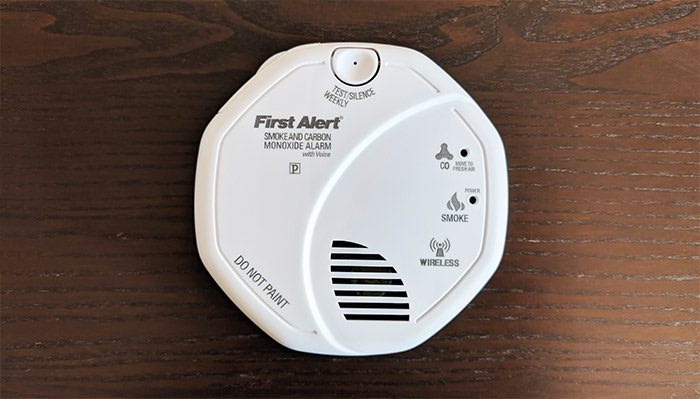
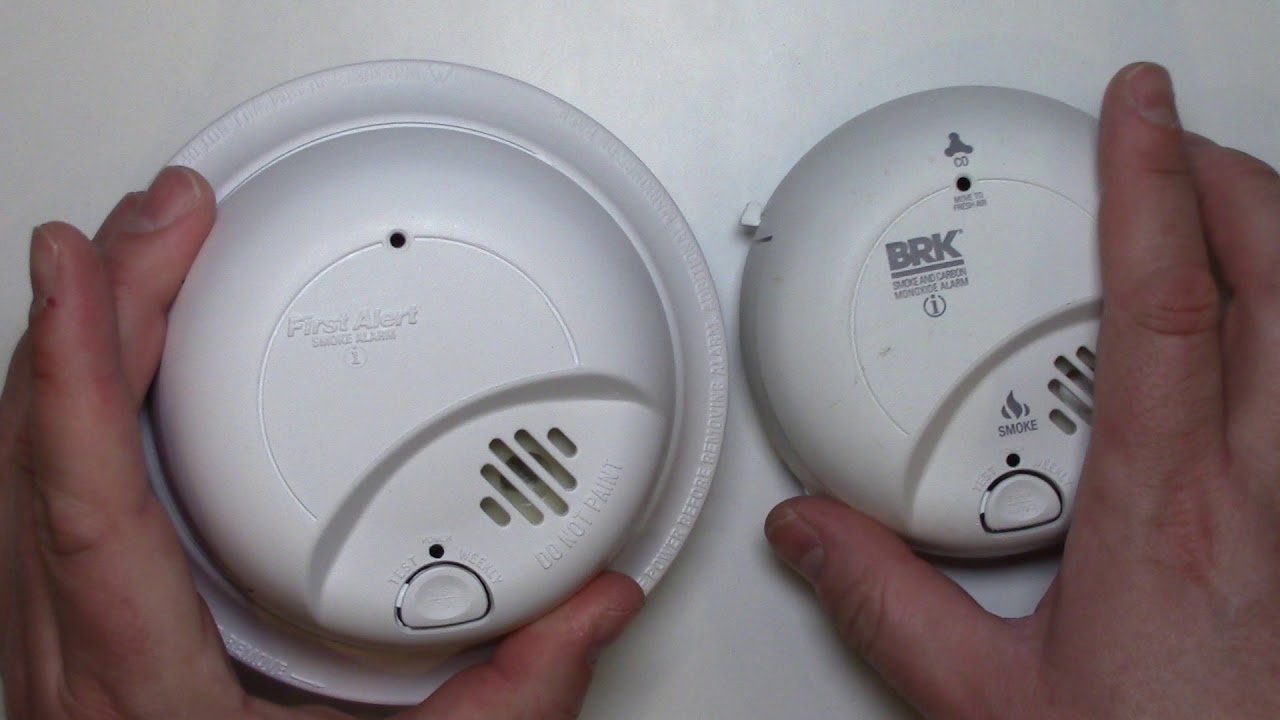
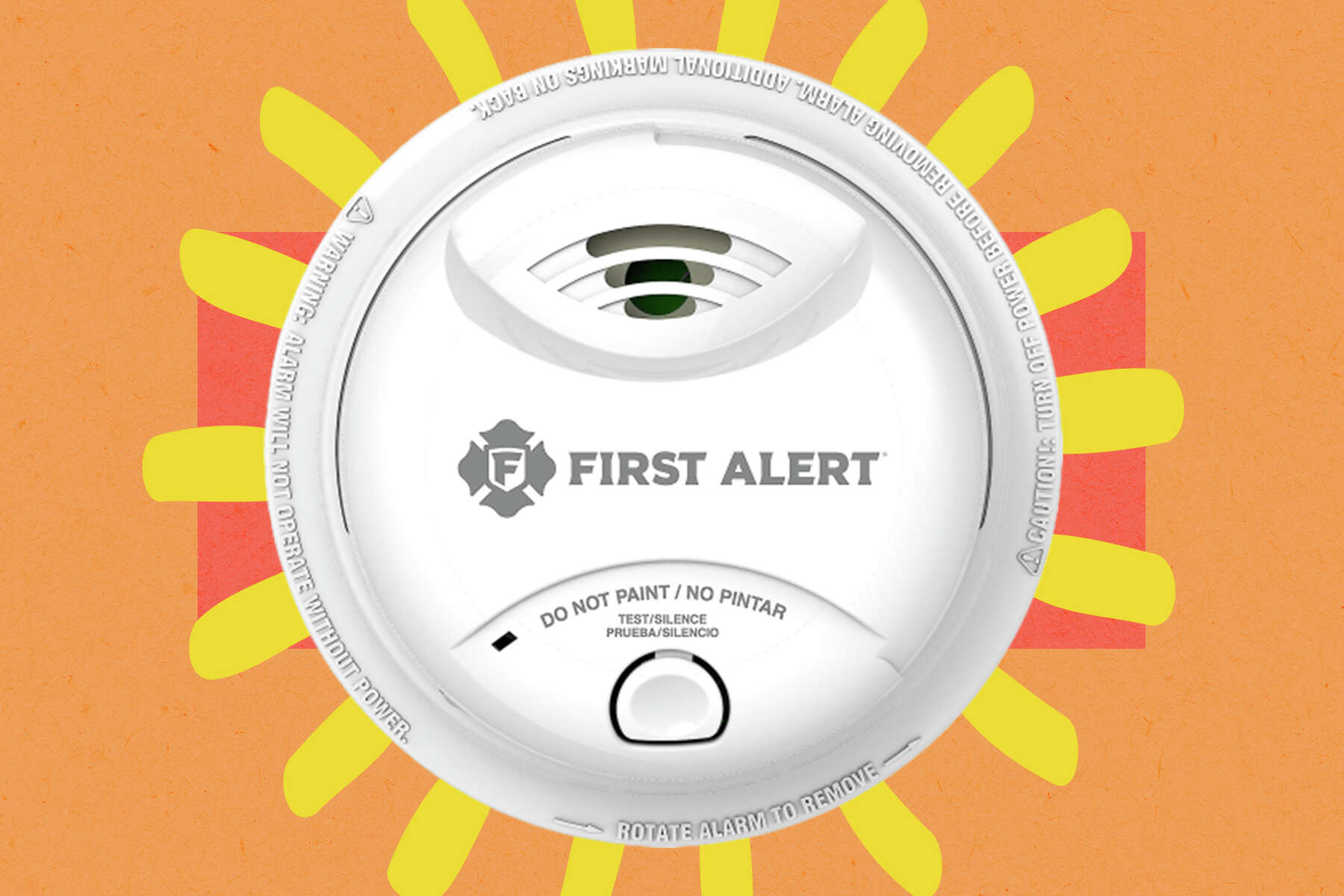
First Alert Smoke Detector Keeps Going Off

Ah, the humble smoke detector. A silent sentinel, a guardian angel, a tiny plastic hero dedicated to keeping our homes safe. We install them with the best intentions, grateful for their tireless vigilance. They offer us that invaluable gift: peace of mind, knowing that should the unthinkable happen, a shrill, piercing cry will alert us. Most of us appreciate this product because it literally saves lives, a crucial piece of technology that gives us a vital head start against danger. It’s the ultimate home safety device, diligently sniffing out trouble so we don’t have to.
The primary benefit of a First Alert smoke detector, or any smoke detector for that matter, is its unparalleled ability to detect smoke, fire, and often carbon monoxide, long before human senses can. This early warning system is not just convenient; it's a lifesaver. It serves the profound purpose of protecting you, your loved ones, and your property, giving precious seconds or minutes to evacuate safely. Without these devices, many home fires would go unnoticed until it's far too late. They are our non-negotiable partners in creating a secure living environment, quietly doing their essential job day in and day out.
Now, while their primary application is obvious, the ways these vigilant little devices make their presence known can be varied and, at times, incredibly dramatic. Who hasn't experienced the smoke detector's impromptu opera during a particularly enthusiastic cooking session? Whether it’s burnt toast, a searing steak, or simply an overzealous steamer, they are quick to sound the alarm. Other common triggers include excessive steam from a hot shower, dust accumulation, or the notorious "low battery chirp" – a distinct, often maddening, signal that it's time for new power. And, of course, there’s the mysterious alarm, the one that goes off in the dead of night with no apparent cause, sending adrenaline surging through the household.
Must Read
So, how do you manage the "First Alert Keeps Going Off" phenomenon more effectively, turning potential frustration into swift action? First and foremost, always treat every alarm seriously until you've confirmed it's a false alarm. Then, learn your detector's "hush" or "test" button; a quick press can silence it for several minutes, giving you time to investigate. For kitchen-related false alarms, consider relocating the detector slightly further from the stove, or ensuring proper ventilation with exhaust fans and open windows. Regular cleaning is also key: dust and insect buildup can trigger false alarms. Every six months, gently vacuum or wipe your detectors. Finally, pay attention to the age of your units; smoke detectors have a lifespan, usually around 10 years, after which they become less reliable and prone to false alarms. Replacing them on schedule is a small investment for continuous, accurate protection – and fewer surprise concerts.