
First Alert Smoke Alarm Beeping Hard-wired
Alright, friend, let's talk about that sound. You know the one. That little, insistent beep-chirp that cuts through the quiet of your home. It’s like your house is trying to tell you a secret, but it only knows Morse code, and it's a little rusty.
And it's not just any smoke alarm. Oh no. We're talking about the First Alert hard-wired smoke alarm. The one you thought was so fancy, so reliable. The one you figured just ran on house power, no pesky battery worries. Surprise!
The Hard-Wired Mystery!
You probably installed these beauties, or they came with your home. They plug right into your electrical system. Pretty neat, right? No dead batteries... or so you thought! This is where the plot thickens and the fun truly begins.
Must Read
Here's the quirky fact that throws everyone for a loop: even hard-wired smoke alarms have a battery backup! Mind blown, right? It's like finding out your favorite superhero still carries a spare change of clothes. This little 9-volt (or sometimes AA) is the usual culprit for that infuriating chirping sound.
Why? Because if your power goes out, you still need protection. So, the hard-wired unit switches to battery power. When that battery gets low, it sends out a little distress signal: chirp, chirp, chirp! It's essentially saying, "Hey, I'm working hard, but my snack stash is low!"
Why the Chirp? The Usual Suspects.
Beyond the sneaky backup battery, there are other reasons your First Alert friend might be having a chat with you. Think of yourself as a home detective on a thrilling mission!
1. The Low Battery Lament: As we just discovered, this is the number one offender. It’s not getting enough juice from its backup. Time for a quick battery swap. You'll be climbing on chairs, doing the "smoke alarm dance," and feeling like a domestic hero in no time.
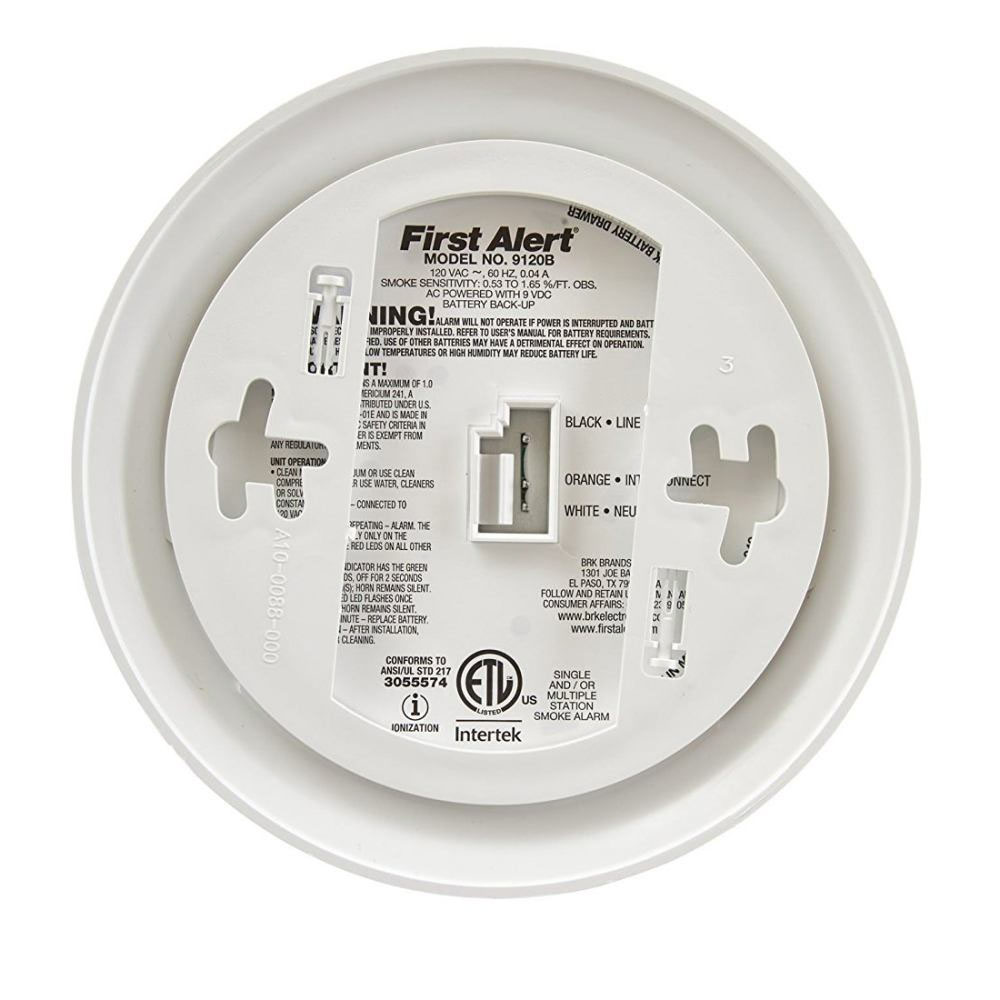
2. End-of-Life Anthem: Smoke alarms aren't forever. They have a lifespan, usually around 10 years. After a decade of dedicated service, their sensors start to lose sensitivity. So, they'll often start chirping to let you know they're ready for retirement. It's their polite way of saying, "I've had a good run, but it's time for a younger model!" Look for a manufacture date on the back – it’s a tiny, often forgotten detail.
3. Dust Bunny Disco: Yes, even dust can be a tiny villain! A build-up of dust, cobwebs, or even tiny insects inside the sensing chamber can trick the alarm into thinking there's an issue. It's like a sneeze for your alarm. A quick vacuum or blast of compressed air can often fix this. Just be gentle!

4. Power Interruption Pout: Sometimes, after a brief power flicker or surge, your hard-wired alarm might get a little confused. It switches to battery, then back to AC, and sometimes it doesn't quite reset properly. It's like a computer rebooting and needing a moment to collect itself. This often manifests as a single, annoying chirp after power is restored.
Your Home's Secret Language!
The type of chirp matters! A single, intermittent chirp every 30-60 seconds almost always points to a low battery or end-of-life. A rapid series of chirps might mean something else entirely – perhaps a false alarm from cooking or even a real emergency. Learn to distinguish between the two, and you’ll unlock a secret level of homeownership expertise!
Imagine the scene: It's 3 AM. You're deep in slumber. CHIRP! Your eyes snap open. You lie there, listening, waiting. CHIRP! You jump out of bed, heart pounding. "Where is it coming from?!" you whisper, navigating the dark. This is the universal struggle, the shared experience that bonds us all. And it's kind of fun, in a weird, sleep-deprived way, isn't it?
Let's Get Troubleshooting (The Fun Way)!
Ready to tackle this mystery? Here’s your detective toolkit:
-
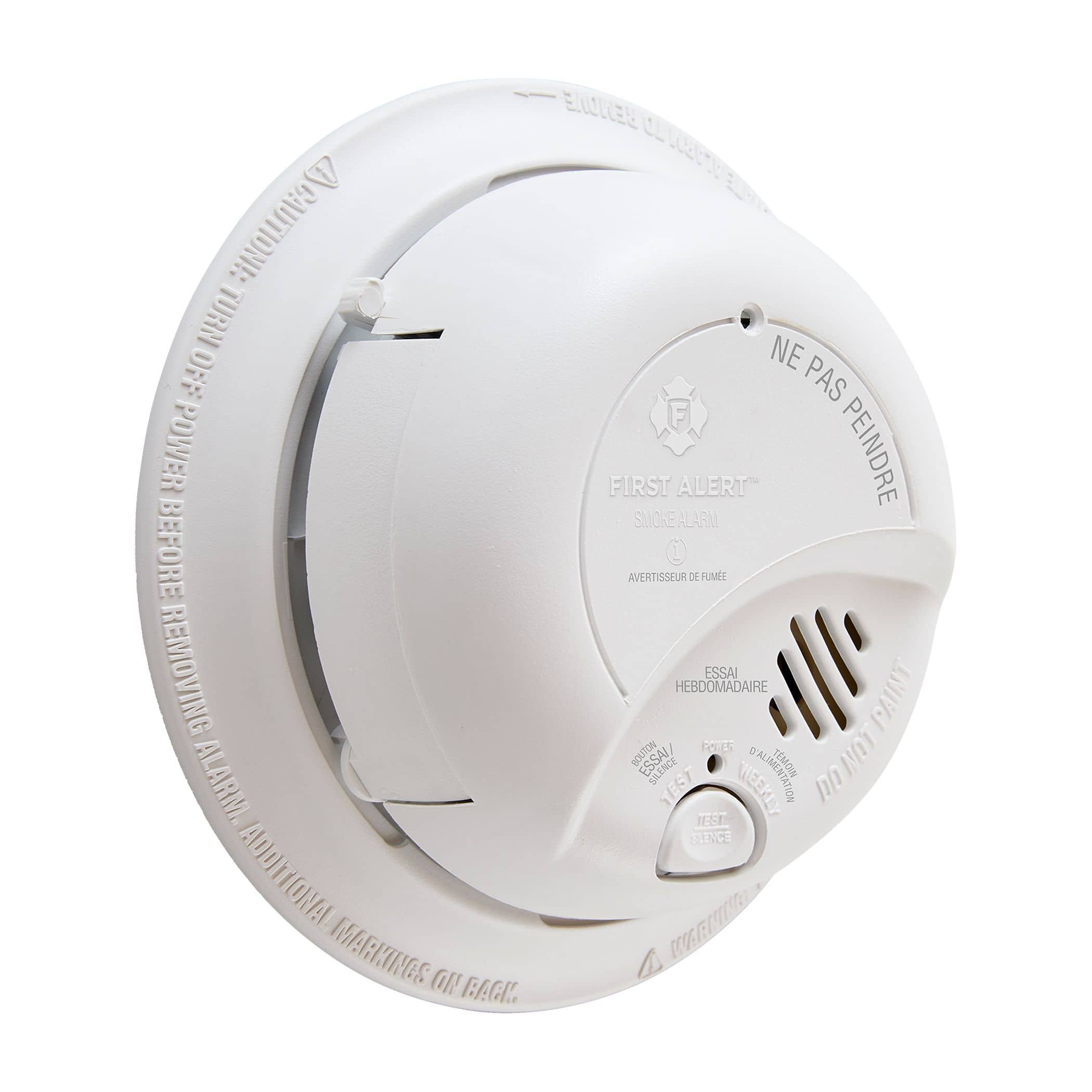
The Great Test Button Press: First Alert alarms often have a large test/silence button. Press and hold it for a few seconds. This can sometimes reset the unit and silence a false alarm or a minor glitch. If it beeps during the test, that's a good sign its sensor works. Release, and listen closely. Did it stop?
-
Clean Up Your Act (Literally): Grab a can of compressed air or your vacuum cleaner's brush attachment. Gently clean around the vents of the alarm. You might just dislodge a dust bunny villain and save the day!
-
The Breaker Box Brain Reboot: Head to your electrical panel. Find the breaker for your smoke alarms (often labeled "Smoke" or "Lights"). Flip it off for about 30 seconds, then flip it back on. This completely cuts power, forcing the alarm to "reboot" from scratch. It's like giving your alarm a quick nap to refresh its circuits.
First Alert smoke alarm beeping - Spacehop -
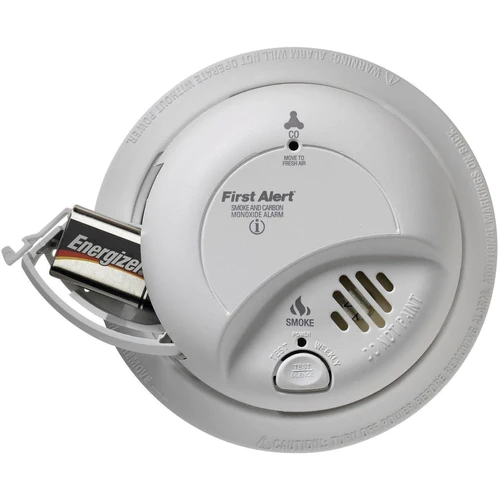
Battery Swap Spectacular: This is the big one for hard-wired units. Twist the alarm counter-clockwise to remove it from its base. Pop open the battery compartment. Replace the old 9-volt with a fresh one. Make sure it's fresh! Don't just grab an old one from the junk drawer. Close it up, twist it back onto the base, and listen for silence. Ah, sweet victory!
-
The Full Unit Farewell: If your alarm is pushing 10 years old, or if none of the above fixes work, it’s probably time to replace the whole unit. It's not a failure, it's an honorable discharge. Luckily, First Alert often makes replacement easy, as new units can often snap right into the old mounting base and wiring harness.
Why Is This Actually Kinda Fun?
Because it's a mini-adventure! It’s a puzzle. It’s a moment where you get to be the hero of your own home, armed with a screwdriver and a can-do attitude. You're not just silencing an annoying beep; you're understanding your home's complex systems. You're mastering a small but important aspect of home safety.
Plus, there's that incredible feeling of triumph when you finally silence the beast. That blissful quiet. It’s a tiny victory, but it feels huge, especially at 3 AM. So, next time your First Alert hard-wired smoke alarm starts its chirping symphony, don't despair. Embrace the challenge. You've got this, home detective!