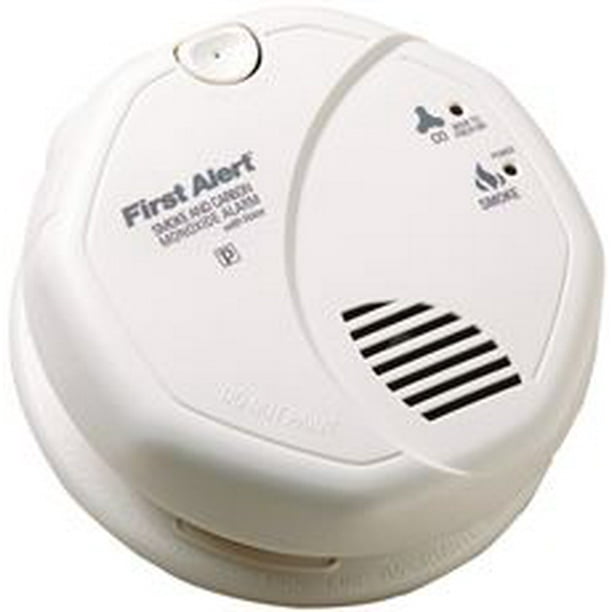
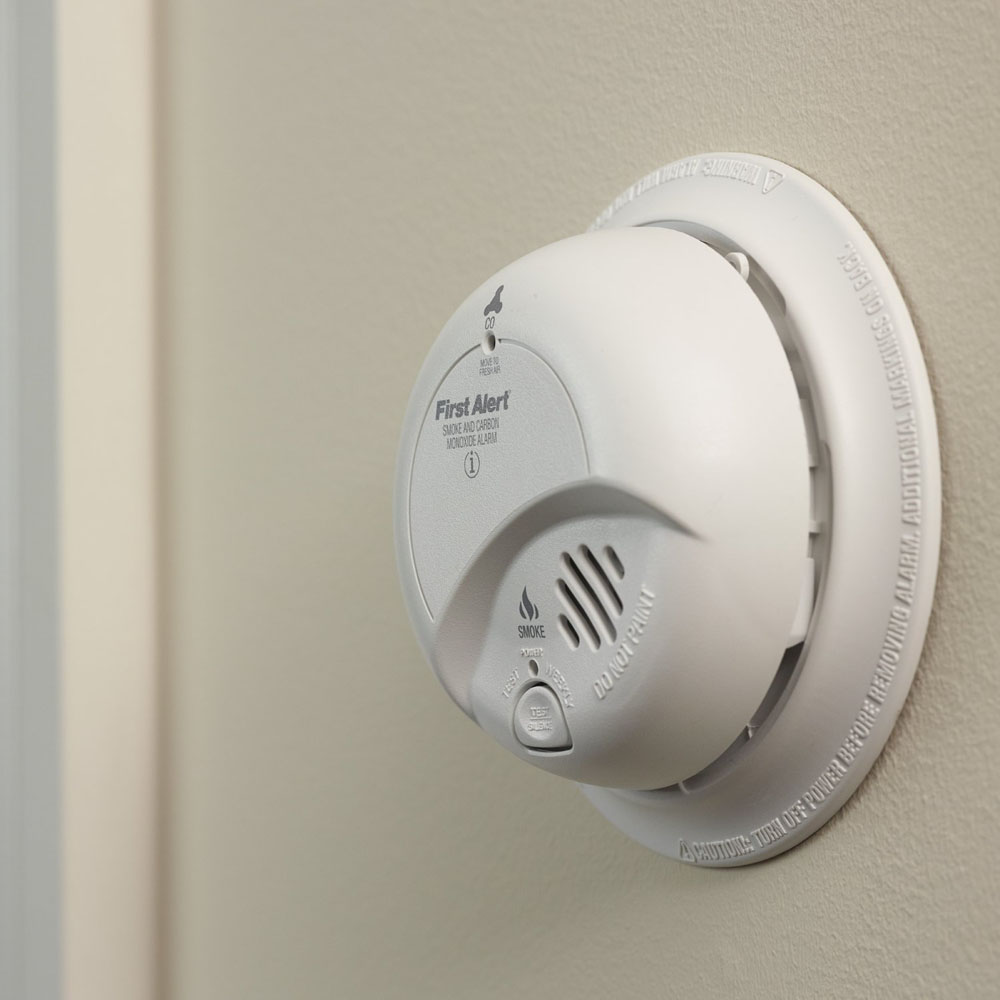
First Alert Hardwired Smoke Alarm Beeping
Ah, the sweet serenade of a peaceful night... suddenly shattered by the insidious, persistent, mind-numbing BEEP-BEEP-BEEP! It's the sound that turns even the most serene household into a frantic scavenger hunt at 3 AM. You know the one. It's that infamous chorus sung by your usually silent guardian, the First Alert hardwired smoke alarm.
Now, before you start questioning your life choices or wondering if a tiny, mischievous gremlin has taken up residence in your ceiling, take a deep breath. You are not alone! This is practically a rite of passage for every homeowner, and we’re here to tackle this tiny titan of annoyance with a hefty dose of good cheer and practical know-how. Because honestly, nobody wants to live in a house that sounds like a frantic R2-D2.
The Great Beep Mystery: Unmasking the Culprit
You might be scratching your head, thinking, "But wait! My smoke alarm is hardwired! It's connected to the house electricity! Why in the world would it be beeping about a battery?" And there, my friend, is where the plot thickens... and then immediately unthickens, because the answer is delightfully simple.
Must Read
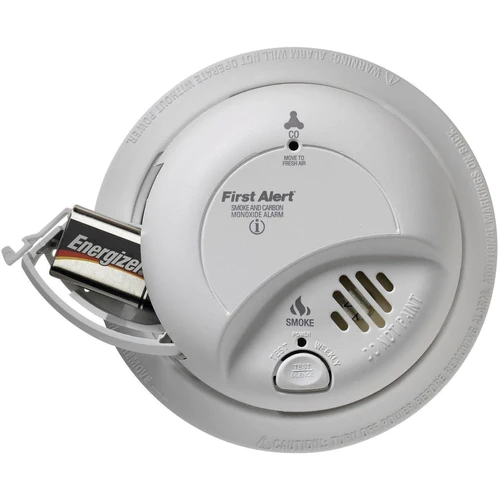
Even your robust, wall-connected First Alert hardwired smoke alarm has a secret. It's got a tiny, ever-vigilant battery backup tucked away inside. Think of it like this: your hardwiring is the main superpower, keeping it alert 24/7. But that little battery? That's its emergency cape! In case of a power outage (because who wants their smoke alarm to go on vacation when the power does?), that battery kicks in, keeping your home safe. And when that battery starts to feel a little weak, a little tired, a little "I need a coffee!" – that's when the beeping begins. It's just a polite (though incredibly annoying) heads-up.
Solving the Case: Operation Battery Swap!
Fear not, intrepid home protector! Fixing this common conundrum is usually easier than assembling IKEA furniture (and definitely less likely to result in missing screws). Here's your straightforward, battle-tested plan:
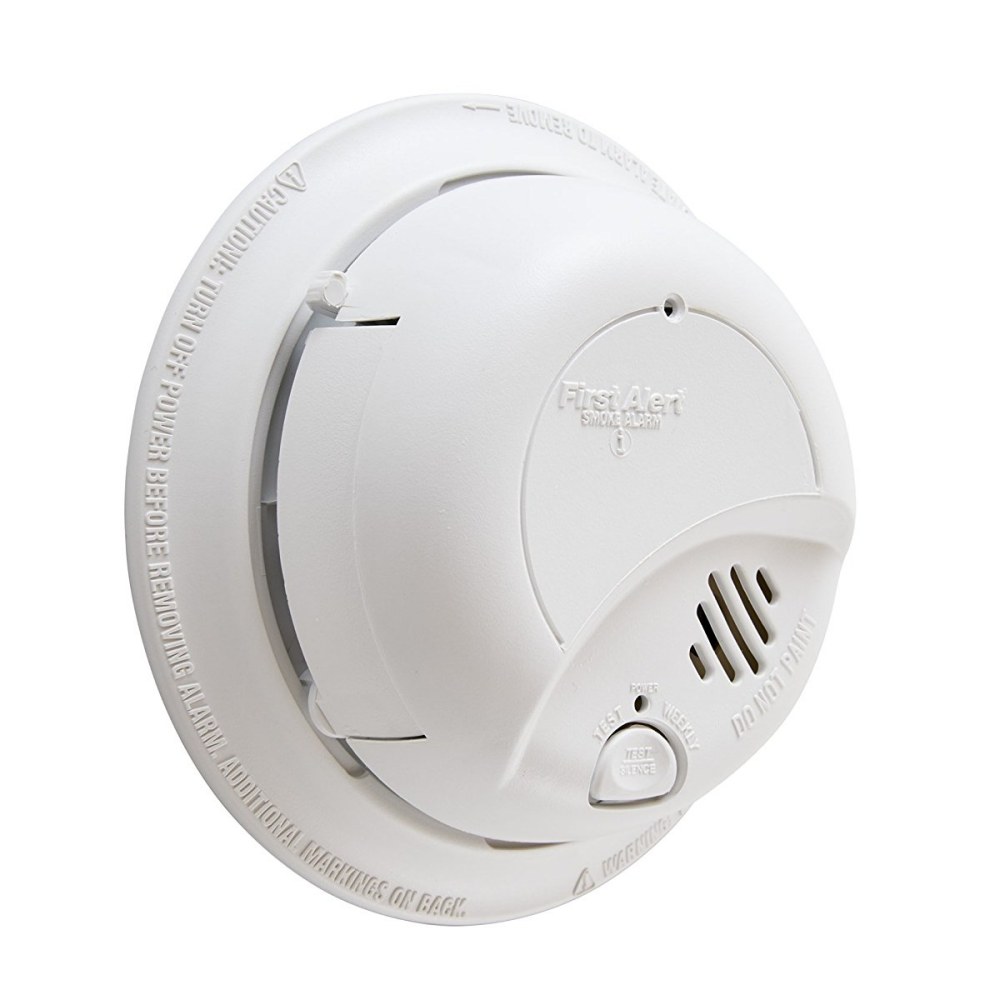
- Identify the Offender: That incessant chirping usually comes from a single unit. It might take a moment to pinpoint it, but trust your ears. It's like finding a particularly chatty cricket in your living room.
- Safety First (A Quick Nod): If you're feeling extra cautious, or just want to feel like a superhero, you can briefly flip the breaker switch that powers your smoke alarms. It's not always strictly necessary for a battery swap, but it never hurts to be extra careful when dealing with electricity, even if it's just for a moment.
- Twist and Shout (or Just Twist): Most First Alert hardwired smoke alarms are designed to be easily removed from their mounting bracket. Give the alarm a gentle counter-clockwise twist, and it should unlatch. It's usually quite satisfying.
- The Mighty 9-Volt Reveal: Flip the alarm over, and you'll usually find a compartment for a 9-volt battery. Sometimes it's a little slide-out drawer, sometimes it's a small door. Pop out the old, exhausted battery. Give it a silent thank you for its service.
- New Power, New Life: Insert a fresh, brand-spanking-new 9-volt battery. Make sure it clicks in properly. This is the moment of truth!
- Reattach and Test: Line up the alarm with its mounting bracket and twist it clockwise until it locks securely into place. Then, press the "Test" button. You should hear a loud, continuous, deliberate alarm sound (not the intermittent beep!). This means your alarm is happy and ready for duty once more. High five yourself!
"Replacing that 9-volt battery is like giving your First Alert smoke alarm a double espresso – suddenly it's wide awake and ready to protect your home with renewed vigor!"
When It's More Than Just a Battery
While a low battery is the MVP of beeping mysteries, sometimes your First Alert hardwired smoke alarm might have other tales to tell. Don't worry, these are usually just as easy to decipher:
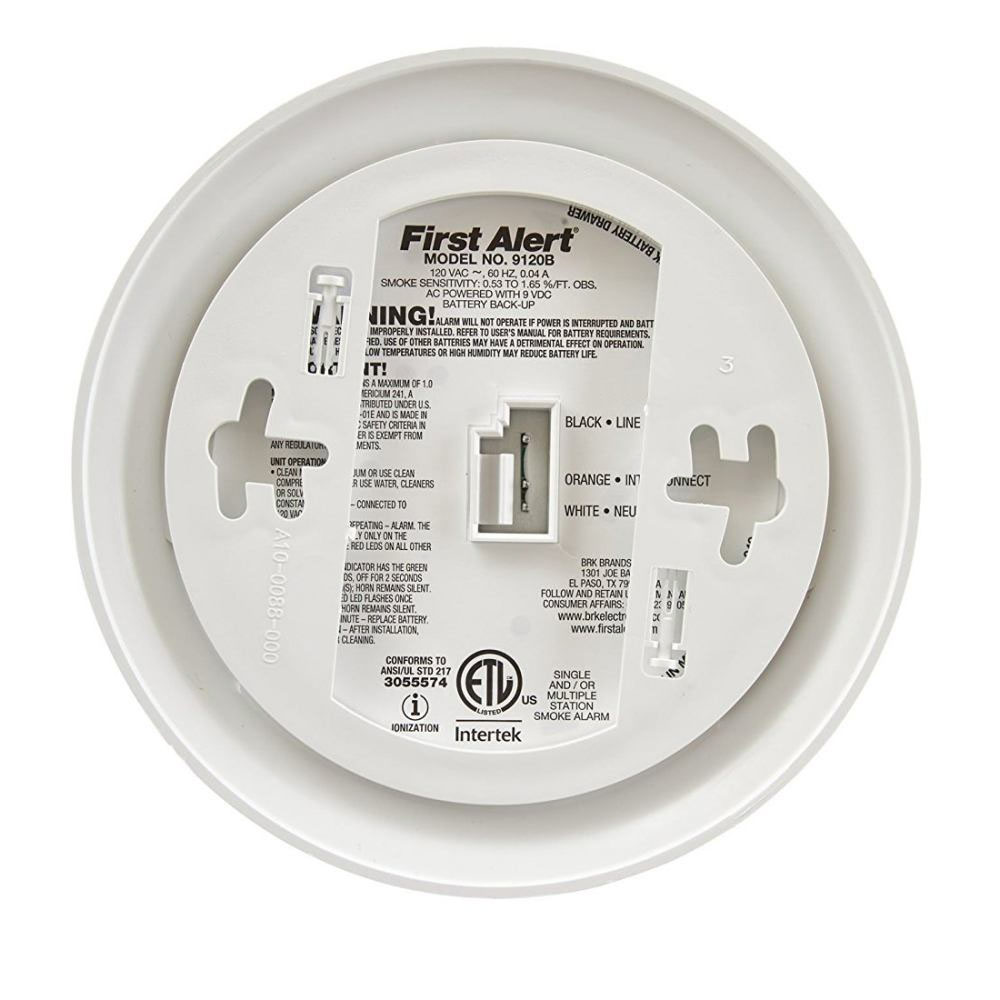
- Dust Bunny Dance: Sometimes, dust and cobwebs can get into the sensor chamber, causing a little hiccup. A quick clean with a vacuum nozzle or a can of compressed air can often solve this. Think of it as giving your alarm a much-needed spa day.
- The Grand Finale (End-of-Life): Every smoke alarm has an expiration date. Typically, they're good for about 7-10 years. If your alarm is consistently beeping, even with a fresh battery, and it's getting up there in age, it might be telling you it's time for retirement. Look for a manufacturing date on the back. A continuous, rapid beep (rather than the intermittent low-battery chirp) often signals this. It's not a malfunction; it's a graceful farewell!
Keeping Your Guardians Happy
To keep those brave little First Alert alarms doing their job without the dramatic beeps, a few simple habits go a long way:
- Regular Battery Checks: Even though it's hardwired, swap those backup batteries at least once a year. A good reminder? Daylight Saving Time changes – "spring forward, change batteries; fall back, change batteries!"
- Dust Patrol: A quick wipe-down or vacuum around the alarm every few months keeps dust out of the sensitive bits.
- Know Their Age: Make a note of when you installed them, or check the manufacturing date. Planning for replacement every 7-10 years ensures you always have the best protection.
So, the next time that insistent BEEP-BEEP-BEEP erupts, instead of groaning, you can now confidently stride forth, perhaps wielding a stepladder like a mighty sword, knowing exactly what to do. You'll swap that battery, silence the beep, and restore peace to your domain. Go forth and conquer, because a quiet home is a happy home, and a safe home is the happiest of all!