
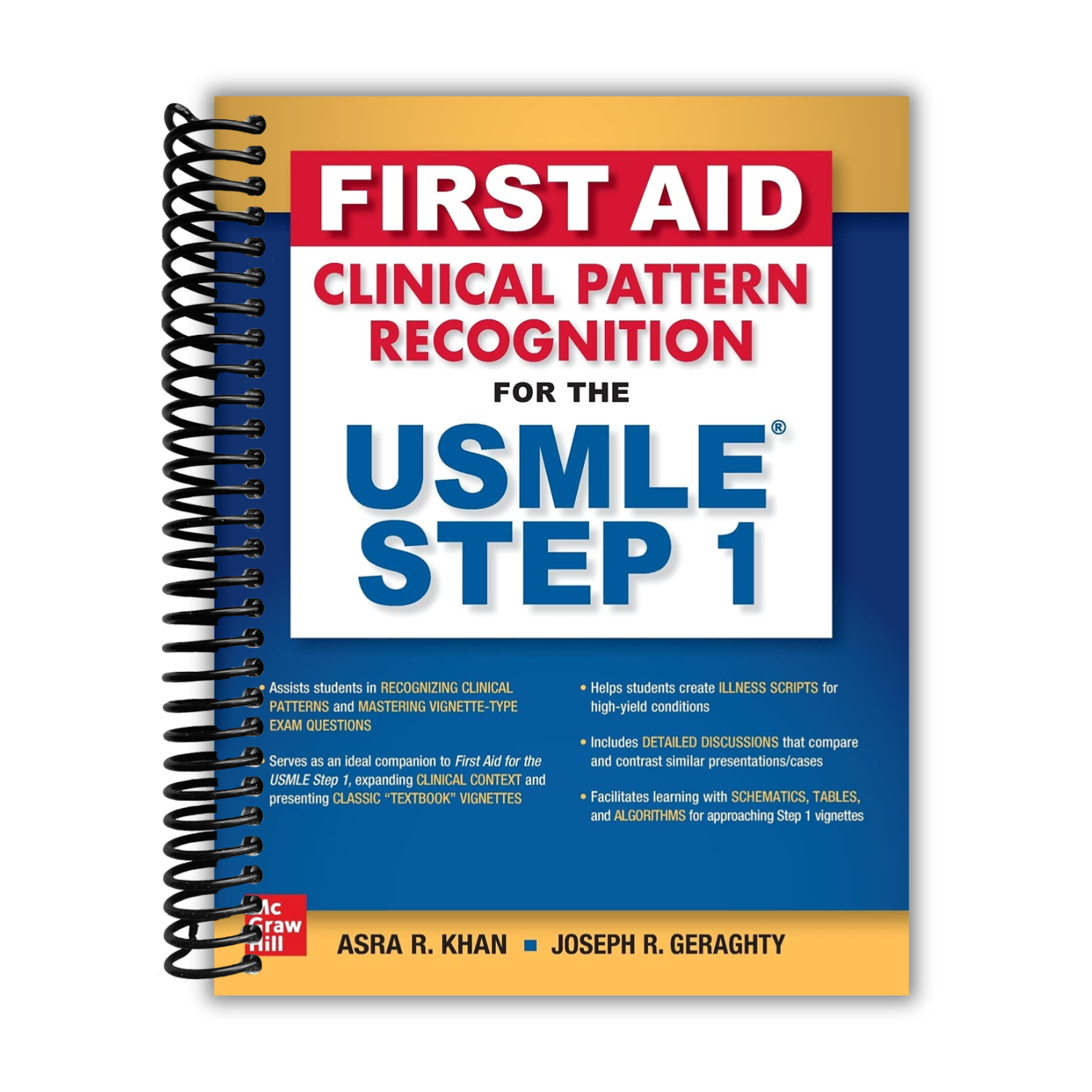
First Aid Clinical Pattern Recognition For The Usmle Step 1
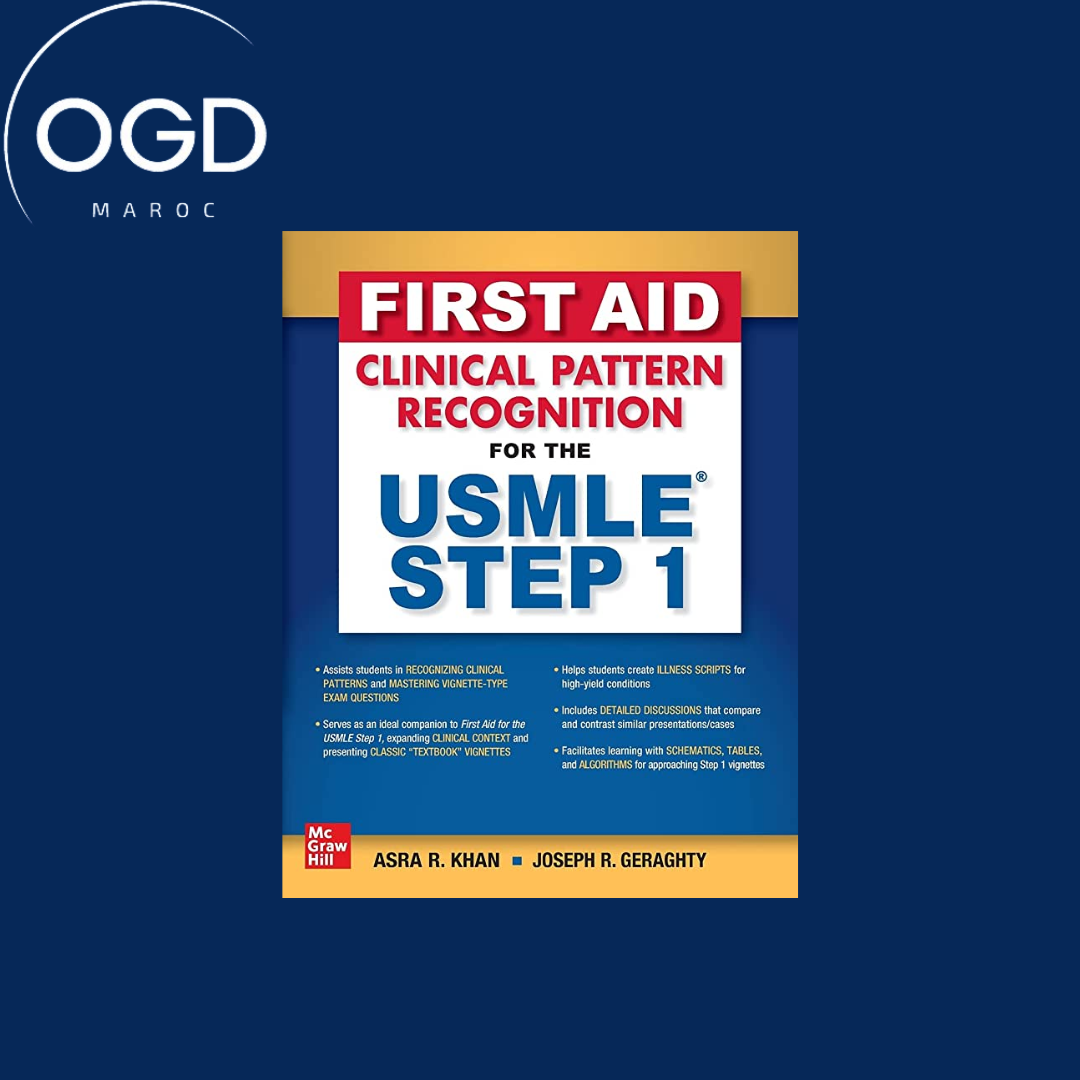
Okay, future doctors, let's talk Step 1. No need to panic; we're not diving headfirst into a textbook. Instead, we're going to chat about a superpower you're about to unlock: clinical pattern recognition. Think of it as becoming a medical detective, Sherlock Holmes style, but instead of crimes, you're solving medical mysteries. And trust me, mastering this skill will not only help you ace the USMLE but also make you a killer doctor in the real world.
So, what exactly is clinical pattern recognition? Simply put, it's the ability to quickly identify recurring sets of symptoms, signs, and lab findings associated with specific diseases. Imagine seeing a patient who’s complaining of fatigue, weight gain, and constipation. Bam! You're already thinking hypothyroidism, right? That's the power of pattern recognition in action. It's like recognizing your favorite song within the first few notes. You just know it.
Decoding the Diagnostic Dance
Let's break down how to develop this superpower. It's not magic, it's a blend of knowledge and practice.
Must Read
First, solidify your foundation. You can't recognize patterns if you don't know the individual building blocks. This means mastering basic medical sciences: anatomy, physiology, pathology, pharmacology… the whole shebang. Think of it as learning the alphabet before writing a novel. You gotta know your stuff.
Next, practice, practice, practice! UWorld is your best friend here. Go through questions, not just to get the right answer, but to understand why it's the right answer. Actively learn from your mistakes. What were the key buzzwords you missed? What details did you gloss over? Embrace the struggle; that's where the learning happens.
Master the art of buzzwords. The USMLE loves its buzzwords. "Cushingoid appearance," "moon facies," "buffalo hump"... these are breadcrumbs that lead you down the diagnostic trail. Create flashcards with these key phrases and their associated conditions. Turn it into a game! Quiz yourself while you're waiting in line for coffee (because, let's be real, you're probably mainlining caffeine at this point).
Think like a doctor (duh!). Don't just memorize facts in isolation. Try to connect the dots. How does a specific physiological process lead to a particular symptom? Understanding the underlying mechanisms will make it easier to remember and apply the information.
Pop Culture Clinical Correlations
Want to make studying more fun? Try applying clinical pattern recognition to your favorite shows. Remember that episode of "House" where the patient had migratory arthritis, urethritis, and conjunctivitis? Hello, reactive arthritis! Or that time in "Scrubs" when JD was trying to diagnose a patient with unexplained weight loss and diarrhea? Possible malabsorption syndrome alert! Okay, maybe that's a deep cut, but you get the idea.
Here's a fun fact: Did you know that scurvy, caused by vitamin C deficiency, used to be a major problem for sailors on long voyages? The classic symptoms included bleeding gums, tooth loss, and impaired wound healing. So, the next time you're enjoying an orange, thank your lucky stars for preventing this historical scourge.
Tips and Tricks for the Exam
Read the question stem carefully. Don't jump to conclusions based on the first few sentences. The test writers are sneaky; they often bury the key information towards the end.
Rule out the obvious. Start by eliminating the answer choices that don't fit the overall clinical picture. This can help you narrow down your options and increase your chances of guessing correctly.
Trust your gut. Sometimes, you just have a feeling about a particular answer. If you've done your homework, trust your intuition. It might just be your subconscious pattern recognition at work.

Don't be afraid to ask for help. Talk to your classmates, professors, or mentors. Discuss difficult cases and bounce ideas off each other. Learning is a team sport!
From the Exam Room to the Real World
Mastering clinical pattern recognition isn't just about passing the USMLE; it's about becoming a skilled and compassionate physician. It's about being able to quickly assess a patient's condition, make informed decisions, and provide the best possible care. It's about seeing the human story behind the symptoms and understanding the unique challenges that each patient faces.
Think about it: even outside of medicine, pattern recognition helps us navigate daily life. We recognize the warning signs of a burnout, the telltale signs of a friend who's feeling down, or even the subtle changes in weather patterns that indicate an impending storm. By honing your ability to recognize patterns, you're not just preparing for a test; you're enhancing your ability to understand and connect with the world around you.