
Fight Club Rotten Tomatoes

Okay, let’s talk about something slightly controversial: Fight Club and its Rotten Tomatoes score. You know, that little green splat (or sometimes, sad red tomato) that supposedly tells you if a movie is good or bad?
Well, get this: Fight Club, that movie that practically defined a generation's angst and love of soap-making, has a Rotten Tomatoes score that’s... well, it’s complicated. It’s not awful, but it’s definitely not universally adored by critics.
The Great Divide: Critics vs. the People
Here's the thing: critics and regular moviegoers often see things differently. It's like when you try to explain to your grandma why your favorite band is, like, totally groundbreaking. She just doesn't get it.
Must Read
Fight Club is a prime example of this cinematic generation gap. Critics, back in 1999, weren't always sure what to make of it. Was it glorifying violence? Was it a satire? Was it just plain weird?
Audiences, on the other hand, often loved it. They connected with the film’s themes of dissatisfaction, consumerism, and the search for meaning in a meaningless world. Plus, let's be honest, Brad Pitt looking ripped and spouting nihilistic wisdom? Come on!
So, What's the Score Really Saying?
Rotten Tomatoes aggregates reviews from a whole bunch of critics. It then spits out a percentage representing how many of them liked the movie. A high score means most critics liked it; a low score means... well, you get the picture.
Fight Club's critic score usually hovers somewhere in the 70s. Which, to be fair, is not terrible! It's not a rotten tomato explosion. But it's not a "certified fresh" masterpiece either.

However, the audience score for Fight Club? Often much higher. That’s where you see the real love for the film shining through.
Why the Critics Might Have Missed the Point (Maybe)
Maybe the critics were too focused on the surface level violence. Perhaps they were a little taken aback by the film's aggressive style. Or, just maybe, they just weren't in the mood for a movie that makes you question everything you thought you knew about your life.
Think of it like this: imagine serving a Michelin-star chef a plate of perfectly cooked gourmet mac and cheese. They might appreciate the technical skill, but they might also think, "Where's the truffle oil and edible gold leaf?" They might miss the simple, comforting joy of mac and cheese.
Fight Club is kind of like that. It's a little rough around the edges. It's not always pretty. But it's honest, raw, and it hits you right in the gut. And sometimes, that's more important than being perfectly polished.
The Test of Time
Here's the real kicker: Fight Club has endured. It's become a cult classic. People are still talking about it decades later. How many movies with mediocre Rotten Tomatoes scores can say that?
/cdn.vox-cdn.com/uploads/chorus_asset/file/9147881/fightclub.PNG)
It's like that band your grandma didn't understand. Years later, everyone's wearing their t-shirts and calling them geniuses. Fight Club has become that band.
Its influence is undeniable. You see echoes of it in other movies, in TV shows, even in the way people talk about consumer culture and modern masculinity. That's staying power, baby!
So, Should You Trust Rotten Tomatoes?
Rotten Tomatoes can be a helpful tool. It can give you a general idea of what critics thought about a movie. But it's not the be-all and end-all. It's not a definitive judgment on whether a movie is "good" or "bad."
Ultimately, the best way to decide if you like a movie is to watch it yourself. Form your own opinion. Don't let a bunch of critics tell you what to think. Especially about something as subjective as art.
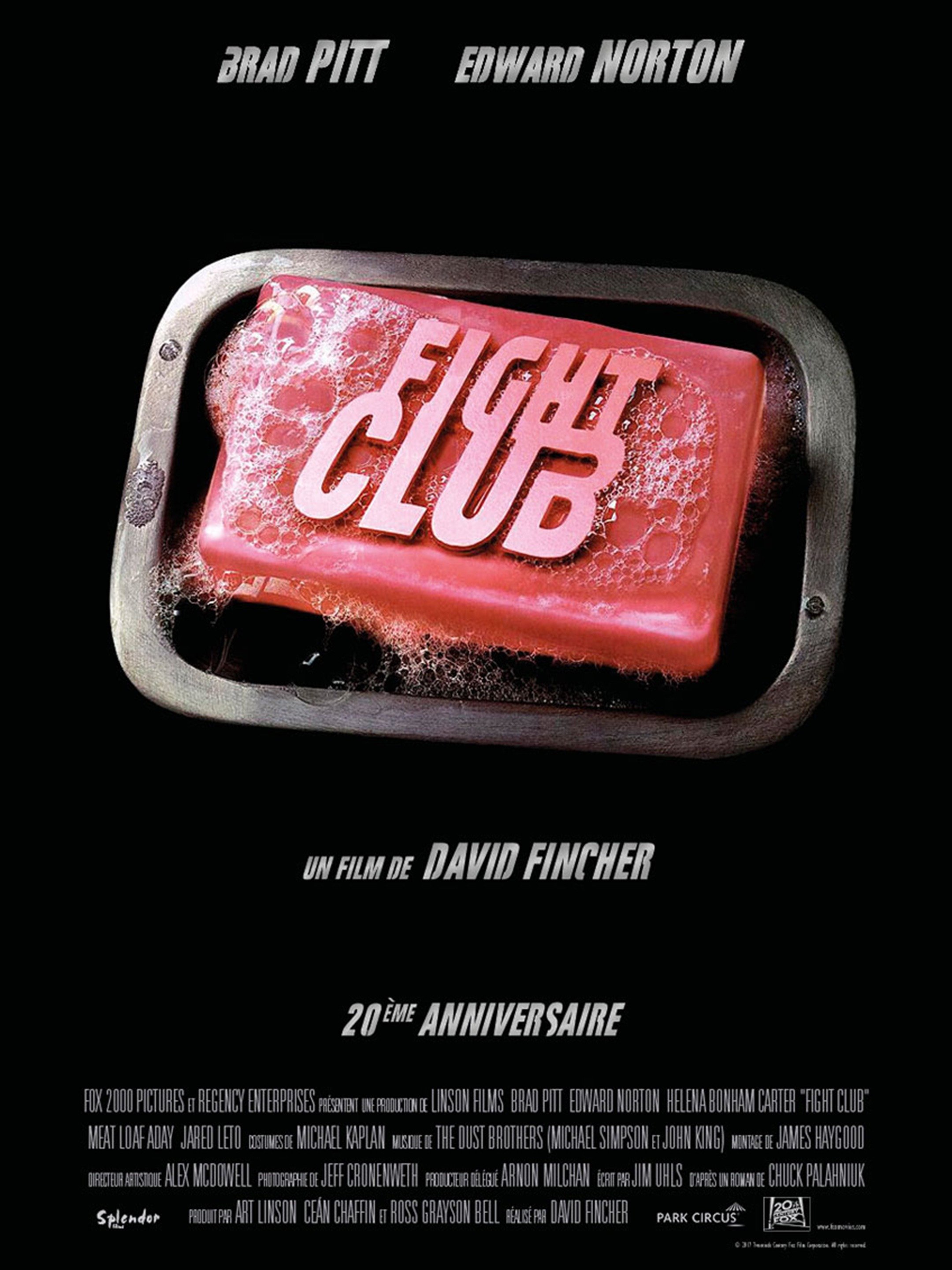
Besides, disagreeing with the critics can be fun! It makes you feel like a rebel. Like Tyler Durden himself would approve.
A Word of Caution (But Not Really)
Okay, a tiny word of caution: if you're easily offended by violence, dark humor, or films that challenge your worldview, Fight Club might not be for you. It's definitely not a light and fluffy rom-com.
But if you're open to something different, something challenging, something that might make you think a little bit, then give it a shot. You might just find yourself loving it, despite what the Rotten Tomatoes score says.
And if you don't like it? Hey, no problem! At least you can say you experienced it. You can join the conversation. You can argue about it with your friends. That's part of the fun!
In Conclusion: Fight Club is More Than a Score
Fight Club is more than just a movie. It's a cultural phenomenon. It's a conversation starter. It's a reminder that sometimes, the things that challenge us the most are the things that ultimately resonate with us the deepest.
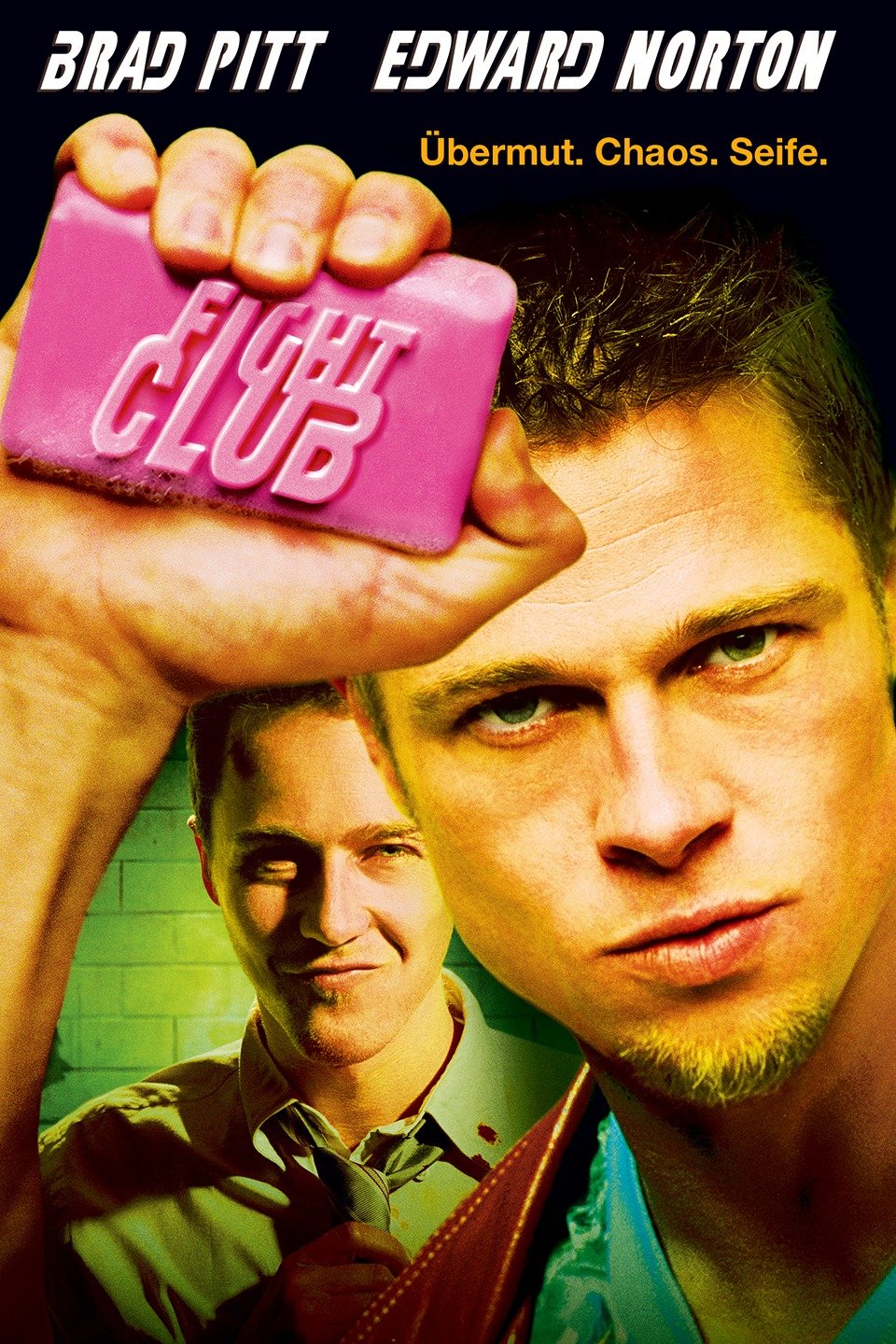
So, don't let a Rotten Tomatoes score scare you away. Watch Fight Club. Make up your own mind. And remember: the first rule of Fight Club is... well, you know.
And the second rule? Forget about the Rotten Tomatoes score and enjoy the movie! Seriously. Just enjoy the darkly comedic, visually stunning, and thought-provoking ride. You won’t regret it (probably).
Final Thought
Maybe, just maybe, the mixed critical reception of Fight Club actually adds to its mystique. It reinforces the film's themes of rebellion and anti-establishment sentiment.
It's like the movie itself is saying, "Don't trust the system! Don't believe everything you're told! Think for yourself!" Which, ironically, is exactly what you should do when deciding whether to watch a movie based on its Rotten Tomatoes score.
So, go forth and experience Fight Club! And if anyone asks you what you thought of it, just smile mysteriously and say, "It's... complicated." They'll know exactly what you mean.