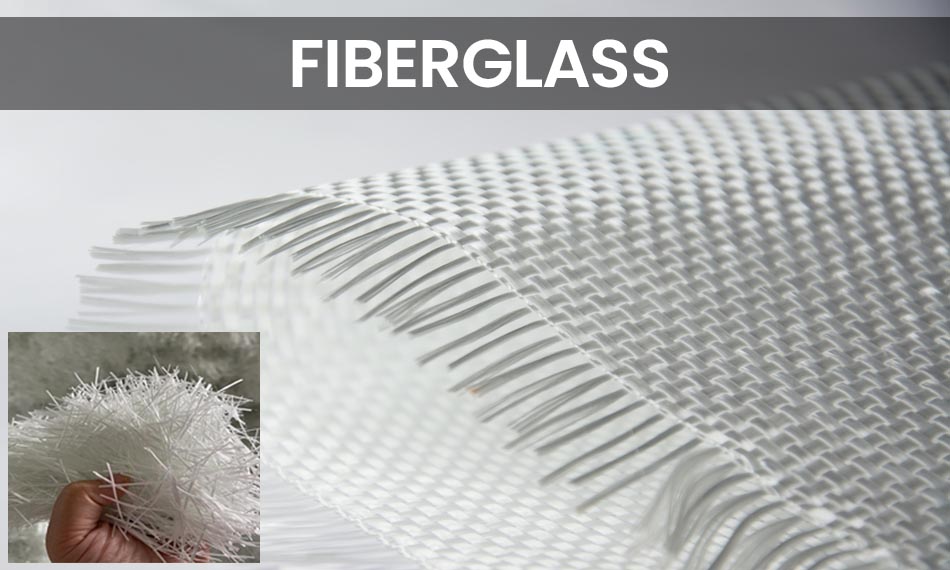
Fiberglass Is Made Out Of What
Hey there! Ever had one of those "aha!" moments, followed immediately by an "oh no, not again!" moment? I had one recently, wrestling with an old, forgotten project in the garage. It involved a rather decrepit surfboard – a relic from my youthful, far-too-optimistic surfing days. As I tried to sand down some gnarly cracks, a familiar, insidious itch started creeping up my arms. You know the drill, right? That microscopic, inescapable prickle that whispers, "Welcome back, my old friend."
And that's when it hit me, not the board, but the thought: what exactly is this stuff? This incredibly versatile, often irritating, yet undeniably useful material we call fiberglass? We see it everywhere – boats, bathtubs, insulation, even parts of our cars – but do we ever stop to think about what it’s actually made of? Well, today, my curious compatriot, we’re going to pull back the curtain on that very mystery.
The Big Reveal: It's… Glass!
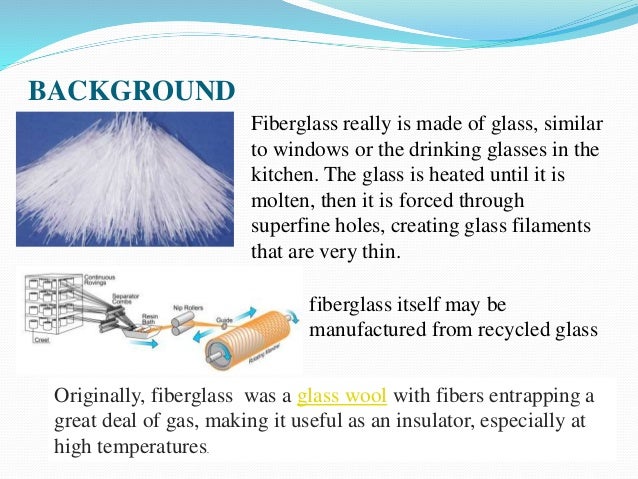
Prepare yourself, because the answer might just surprise you with its elegant simplicity. Fiberglass, at its heart, is quite literally made out of glass. Yes, you read that right! The same basic stuff that makes up your windows, drinking glasses, and perhaps that fancy vase you're trying not to break. Mind blown, right? I know mine was when I first properly wrapped my head around it.
Must Read
But of course, it’s not just broken bits of windowpane glued together. That would be messy and, frankly, not very strong. The genius of fiberglass lies in how that glass is transformed.
From Sand to Super-Strands: The Glassy Bit
So, how do we get from a solid, brittle pane of glass to those incredibly strong, flexible fibers? It starts with something incredibly humble and abundant: sand. Specifically, silica sand, which is the primary ingredient in most glass.
They take this sand, mix it with other common ingredients like limestone, soda ash, and borax (think of it like a very specific, super-hot baking recipe for glass!), and then melt it down in a furnace at ridiculously high temperatures. We're talking over 2,500 degrees Fahrenheit – hotter than lava!
Then comes the magic part. That molten glass is forced, or extruded, through thousands of tiny, microscopic holes in a platinum bushing (because platinum can withstand that insane heat without melting). Imagine a giant, super-fast cotton candy machine, but instead of sugar, it’s spewing out incredibly long, thin strands of glass. These individual strands are often thinner than a human hair! Pretty wild, huh?
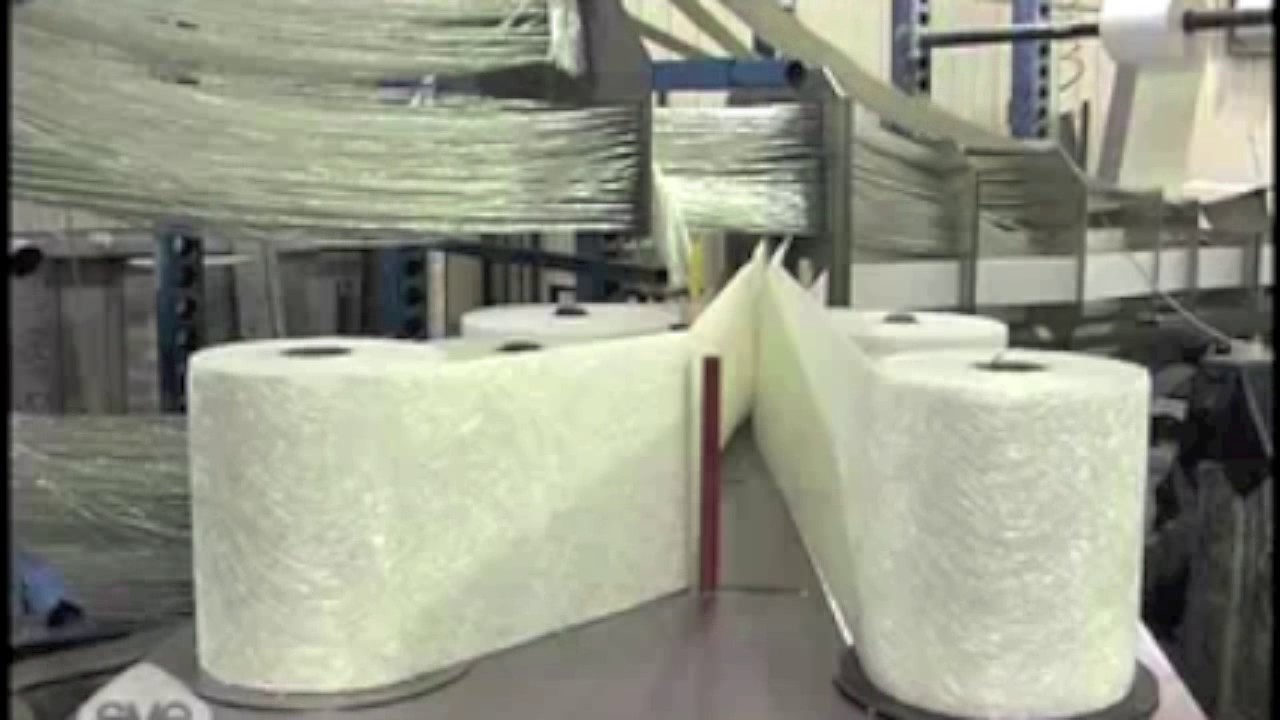
These incredibly fine strands are then cooled and often coated with a sizing agent to protect them and help them bind together later. They might be chopped into small pieces, spun into yarns, or woven into fabrics and mats. This is the "fiber" part of "fiberglass" – glass in a fibrous, thread-like form.

The "Glass" in Fiberglass: It's a Team Effort!
Now, a mat of super-thin glass fibers, while cool, isn’t what you recognize as a boat hull or a bathtub. To get that rigid, durable, moldable material we know and love (and sometimes itch from), you need one more crucial ingredient: resin.
This resin is typically a liquid plastic polymer, like polyester, epoxy, or vinylester. Think of it as the super-strong glue or matrix that holds all those glass fibers together. When the liquid resin is mixed with a catalyst, it undergoes a chemical reaction and hardens, curing around the glass fibers.
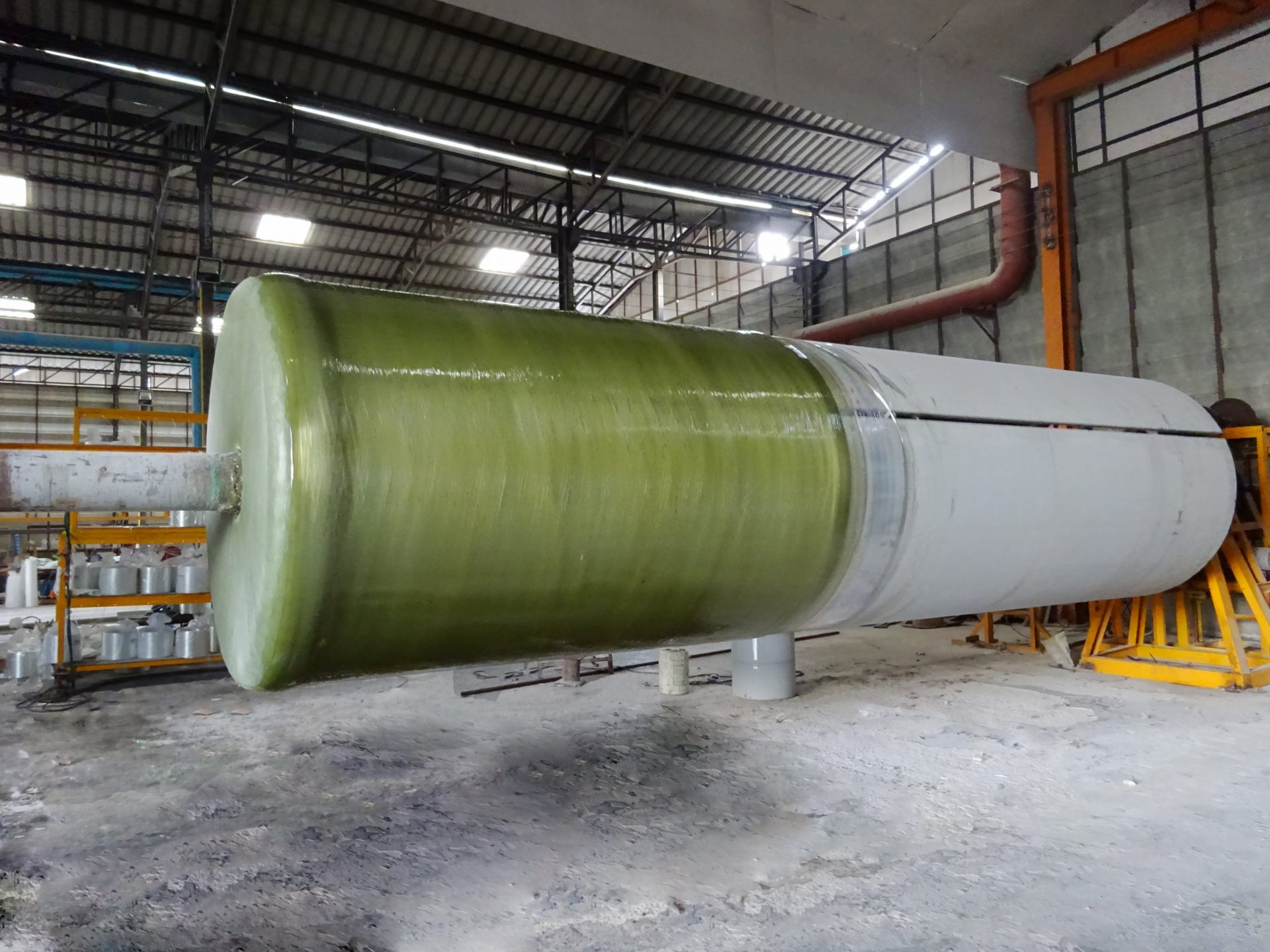
So, what you have is a composite material: the incredibly strong glass fibers provide the reinforcement (like rebar in concrete), and the hardened plastic resin acts as the binder and the bulk, giving the material its shape and structural integrity. It’s a brilliant partnership! The glass fibers provide incredible tensile strength (resistance to being pulled apart), and the resin provides compressive strength (resistance to being squashed) and holds everything in place.
Why All the Fuss?
This combination gives fiberglass its incredible properties:
- High strength-to-weight ratio: It's incredibly strong but much lighter than steel.
- Corrosion resistance: It won't rust or rot like metal or wood.
- Electrical insulation: Great for preventing current flow.
- Thermal insulation: Why your attic stays warm (or cool).
- Moldability: Can be shaped into complex forms.
So, next time you spot a boat slicing through the water, a sleek sports car, a sturdy bathtub, or even those massive wind turbine blades, remember the humble origins. It's not some mystical, space-age material (though it certainly feels like it sometimes!). It's mostly just sand, transformed into microscopic glass threads, held together by a clever plastic binder. Pretty amazing, right? And hopefully, knowing what it is makes that inevitable itch just a little bit more tolerable. You're welcome!