
Facts About Renewable And Nonrenewable Resources
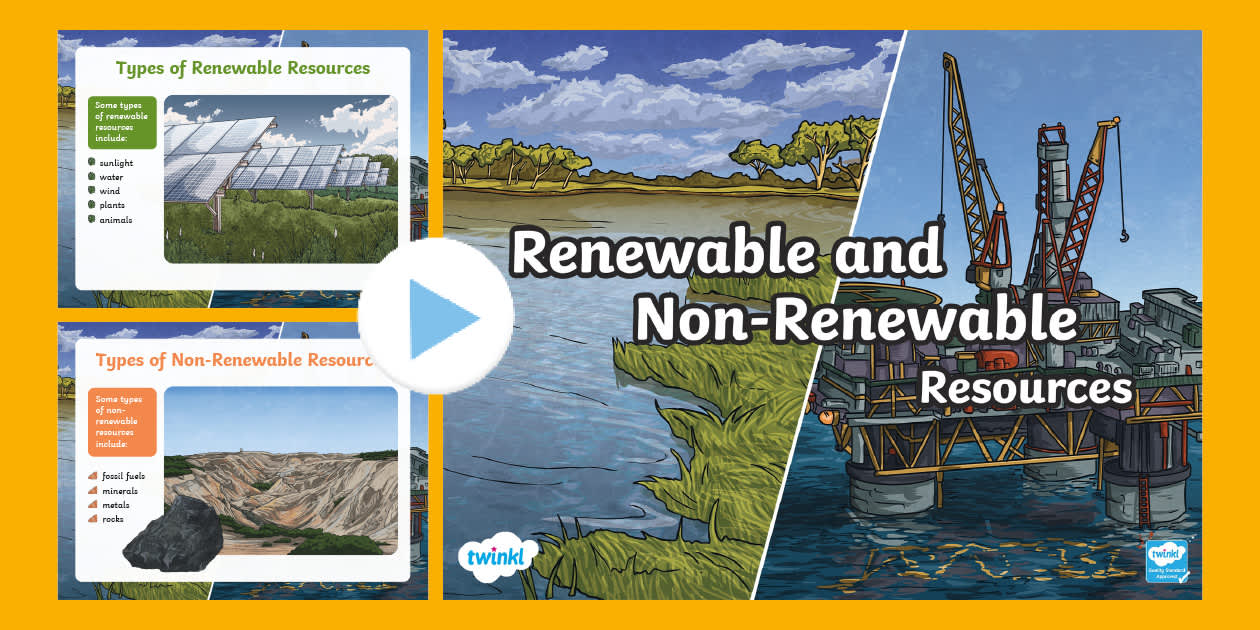
Hey there, friend! Ever wonder where the stuff we use every single day comes from? From the electricity that powers your phone to the gasoline in your car, it all boils down to resources. Let's chat about two main types: renewable and nonrenewable. Think of it as understanding where your pizza comes from – the ingredients and how they're made!
Let's start with the headliner: Renewable Resources.
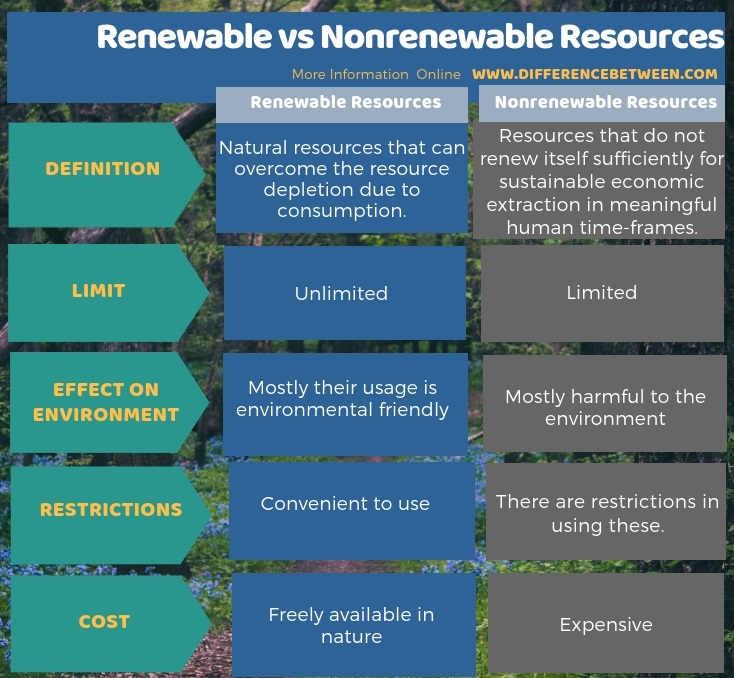
Imagine a superhero that keeps coming back, stronger than ever. That's a renewable resource! These are the goodies that Mother Nature replenishes naturally, usually within a reasonable timeframe. Think about it: the sun shines every day (even if we don't always see it!), the wind blows, and rain falls.
Must Read
Solar energy, that bright beam in the sky, is a prime example. We can capture that energy using solar panels and turn it into electricity for our homes and businesses. It’s like having your own personal sun-powered generator!
Then there's wind energy. You've probably seen those giant windmills, or wind turbines, gracefully spinning in the countryside. They harness the power of the wind to generate electricity. Think of it like a giant, eco-friendly pinwheel powering our lives!
Hydropower is another big player. It uses the power of moving water, like rivers and dams, to create electricity. It’s like using a water wheel, but on a much larger and more sophisticated scale.
Finally, we have geothermal energy. This taps into the Earth's internal heat. Imagine the core of the Earth as a giant, never-ending radiator. We can use that heat to generate electricity or heat our homes. It's like having a built-in, sustainable heating system!
Why should you care about renewable resources? Well, for starters, they're generally much better for the environment. They produce little to no pollution, helping to keep our air and water clean. Plus, they're sustainable. Meaning, we can keep using them without running out! It’s like having an endless supply of your favorite cookies (okay, maybe not endless, but you get the idea!).

Now, let’s turn our attention to Nonrenewable Resources.
These are like those limited-edition toys you really wanted as a kid. Once they're gone, they're gone (at least on a human timescale!). They take millions of years to form, so we can't replenish them quickly enough to keep up with our consumption.
The big three nonrenewable resources are coal, oil (petroleum), and natural gas. These are called fossil fuels because they formed from the remains of ancient plants and animals.

Think of coal as buried sunshine. It's basically plant matter that's been squished and heated over millions of years. We burn coal to generate electricity, but burning it releases pollutants into the air. It's like burning a really old, compressed pile of leaves - not the cleanest process!
Oil, or petroleum, is a thick, black liquid that’s used to make gasoline, plastics, and all sorts of other products. It’s like the Swiss Army knife of energy sources, but extracting and burning it can have serious environmental consequences. Imagine a spilled glass of something sticky and messy - that’s a tiny version of the potential problems associated with oil spills.
Natural gas is a gaseous fossil fuel used for heating, cooking, and generating electricity. It's generally cleaner than coal and oil, but it's still a finite resource and its extraction can have environmental impacts. It's like the slightly less problematic cousin of oil and coal.

Why should you care about nonrenewable resources? Well, the biggest reason is that they’re finite. Once we've used them all, that's it! Plus, burning fossil fuels releases greenhouse gases into the atmosphere, contributing to climate change. Think of it like adding too many blankets to your bed on a hot day – things get uncomfortable!
So, what can you do? Even small changes can make a big difference! You could switch to energy-efficient light bulbs, use public transportation, or simply be mindful of your energy consumption. Every little bit helps to conserve our precious resources and create a more sustainable future. It's like choosing to recycle that can instead of throwing it in the trash – a small act that contributes to a bigger, better picture.
Understanding the difference between renewable and nonrenewable resources is crucial for making informed decisions about our energy future. By embracing renewable energy sources and conserving our nonrenewable resources, we can help ensure a healthy planet for generations to come. It's all about being a responsible pizza consumer, choosing the ingredients and production methods that are best for everyone!