Explain The Two Types Of Nuclear Power Plants
Okay, so nuclear power. It sounds like something straight out of a sci-fi movie, right? Giant reactors, glowing green goo (spoiler alert: there's no glowing green goo!), and enough power to light up a small country. But behind all the technical jargon, the basic principle is surprisingly simple. Think of it like boiling water – just with a really powerful kettle!
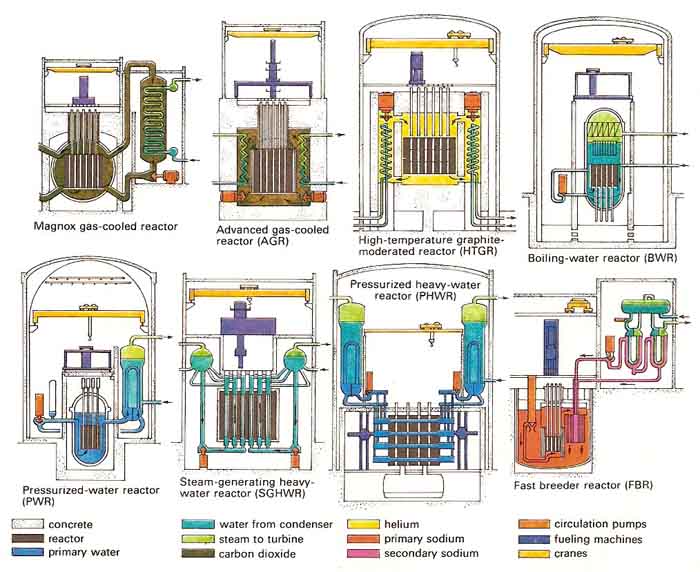
And just like kettles, there are different types. We're gonna chat about the two main types of nuclear power plants: Pressurized Water Reactors (PWRs) and Boiling Water Reactors (BWRs). Don't let the names scare you. We'll break it down in a way that'll make you say, "Oh, THAT'S it?"
Pressurized Water Reactors (PWRs): The Cautious Cousin
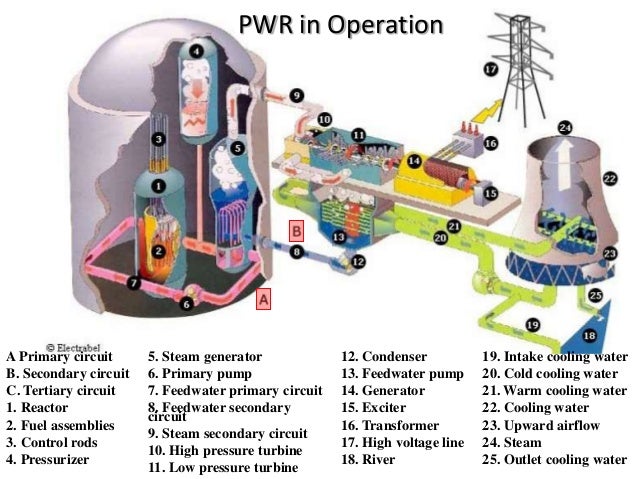
Imagine you’re making tea. But instead of just boiling the water in the kettle like a normal person, you're super worried about it getting contaminated. So, you heat a separate loop of water under high pressure, so high it doesn’t even boil! Think of it like that pressure cooker your grandma uses (except on a much, MUCH larger scale).
Must Read
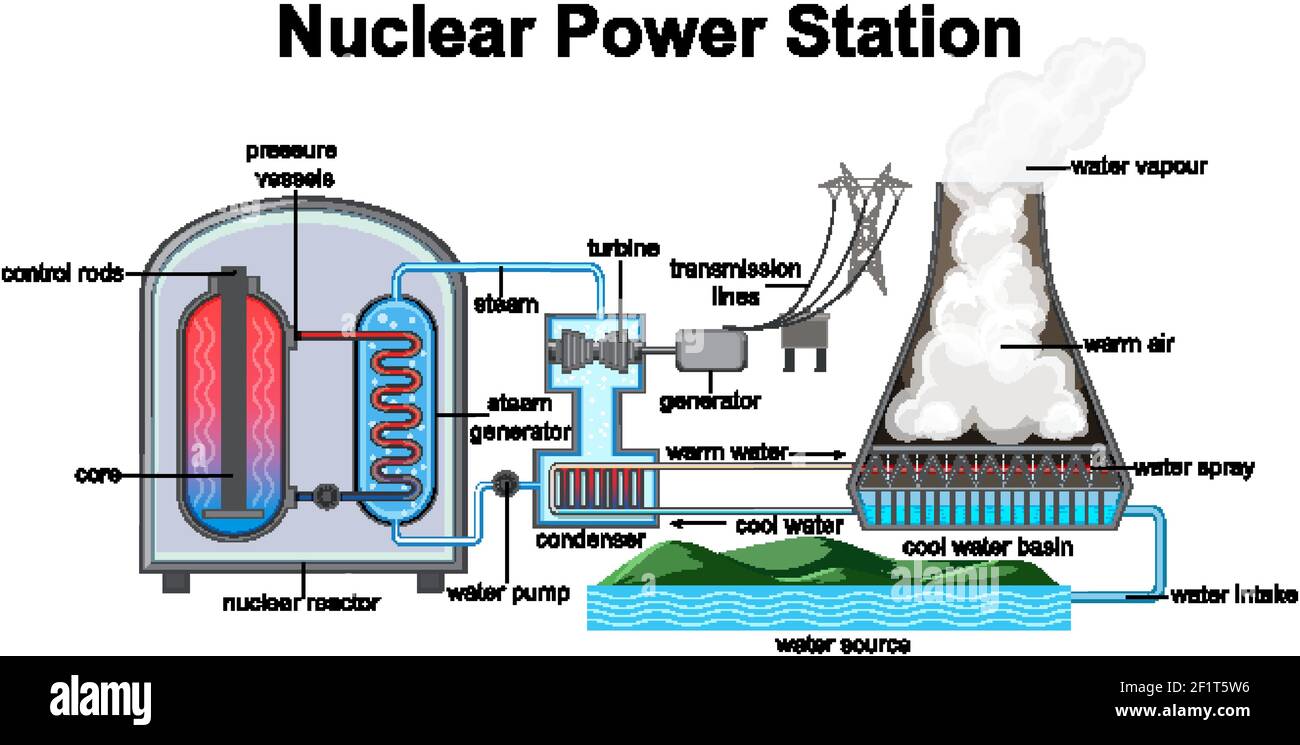
This super-heated, pressurized water then flows through pipes to a second tank of water. This second tank is where the actual boiling happens! The steam created then spins a turbine, which is connected to a generator, and voila! Electricity! The key here is that the water that gets radioactive never actually touches the turbine. It's like having a designated "dirty" team and a "clean" team in a relay race.
Think of PWRs as the cautious cousin who always uses hand sanitizer. They're a bit more complex, but they're also generally considered safer in terms of contamination. Plus, because the water is under pressure, it can reach a higher temperature without boiling, making the plant more efficient. It's like getting that extra cup of coffee out of the same amount of grounds!
Boiling Water Reactors (BWRs): The Direct Approach
Now, let’s talk about the BWR. This one's a bit more… direct. Remember that tea kettle? Well, in a BWR, the water heated by the nuclear reaction actually boils inside the reactor itself! That steam then goes straight to the turbine. No middleman, no separate loops. It's like skipping the foreplay and going straight to the main event. (Okay, maybe that's a little too direct…)
This seems simpler, right? And it is, in some ways. Fewer parts often mean fewer things that can go wrong. But, and this is a big but, the steam that's spinning the turbine is radioactive. Don't panic! There are safety measures in place, of course. But it means extra precautions are needed when dealing with the turbine and other components that come into contact with the steam.
Think of BWRs as the adventurous friend who's always up for trying new things. They're simpler in design, but require a bit more vigilance. It's like backpacking through Southeast Asia – you’re going to experience the culture firsthand, but you also need to be extra careful about what you eat and drink!
In a nutshell:
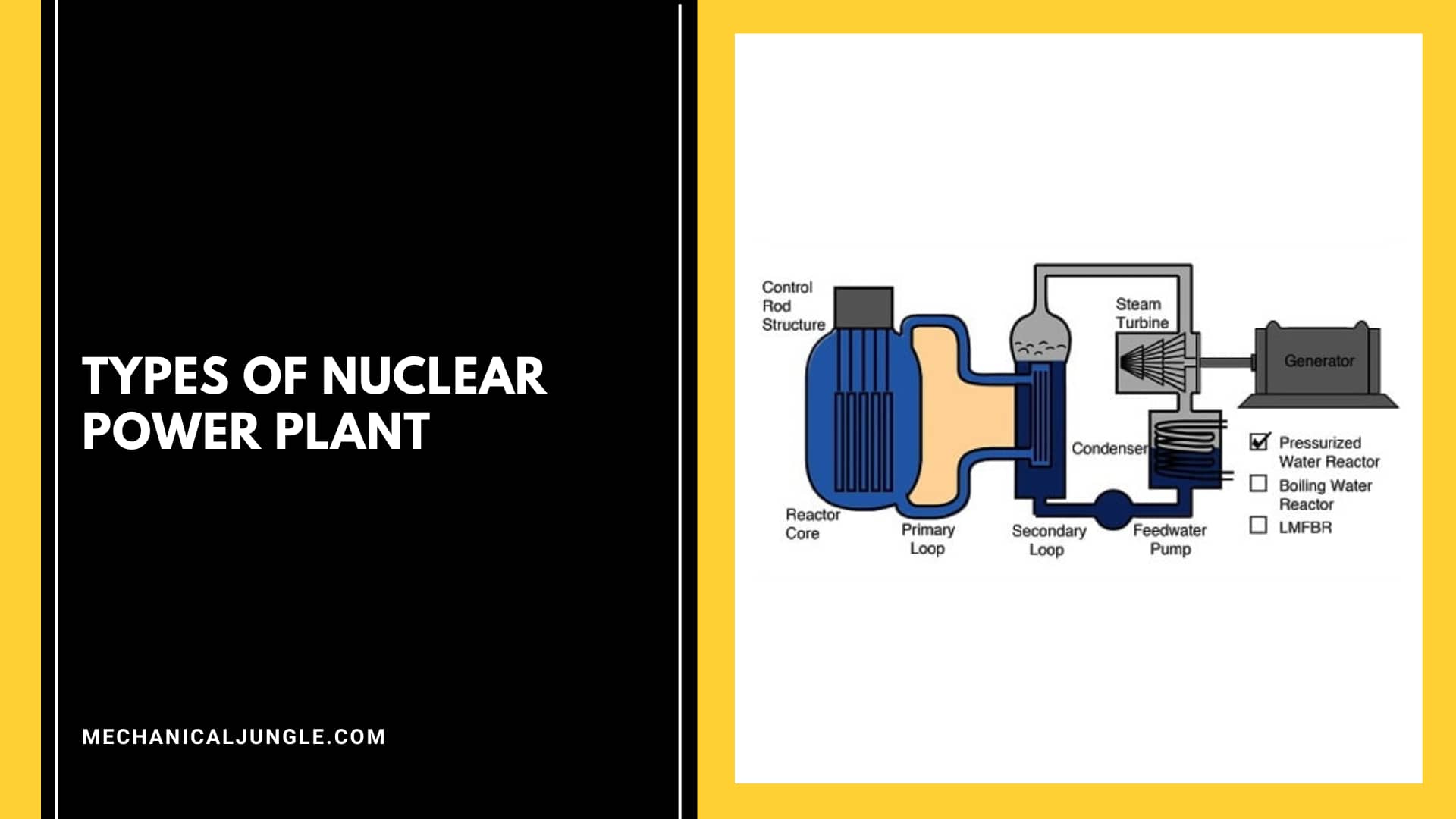
- PWR: Heats water under pressure, then uses that heat to boil a separate tank of water. More complex, generally considered safer from contamination.
- BWR: Boils water inside the reactor, and that steam goes directly to the turbine. Simpler, but the steam is radioactive, requiring extra precautions.
So, the next time you flip on a light switch, remember that somewhere, a nuclear power plant (maybe a PWR, maybe a BWR) is hard at work. Whether it's the cautious cousin or the adventurous friend, they're both doing their part to keep the lights on! And maybe, just maybe, you'll think of this quirky comparison while you're waiting for your kettle to boil. Food for thought, eh?
And remember, both types are heavily regulated and designed with multiple layers of safety features. So, you can sleep soundly knowing that these "kettles" are being watched over by a whole team of experts.