
Explain How A Generator Creates Electricity
Ever wondered what’s happening inside that roaring beast – your friendly neighborhood generator – when the lights go out? It’s not magic, though it might seem like it when it’s rescuing your ice cream from melting into a soupy mess.
Think of it like this: your generator is basically a super-powered, electricity-making chef. It takes one kind of energy, whips it around with some clever ingredients, and poof! You've got electricity.
The Secret Ingredient: Magnetism!
The real star of the show is magnetism. Remember playing with magnets as a kid? Sticking them to the fridge and making paperclips dance? Well, that same force is what’s powering your generator.
Must Read
Here's the fun part: electricity and magnetism are like best friends who can't live without each other. Change one, and the other one shows up! This is the key principle of how a generator works.
This amazing relationship is described by Faraday's Law of Induction, which is a fancy way of saying that moving a magnet near a wire creates electricity. It's like they're playing an electrifying game of tag!
The Generator's Recipe: A Whirlwind of Energy
So, how does the generator make all this happen? It's all about movement. Most generators use an engine – usually powered by gasoline, diesel, or even natural gas – to spin something.
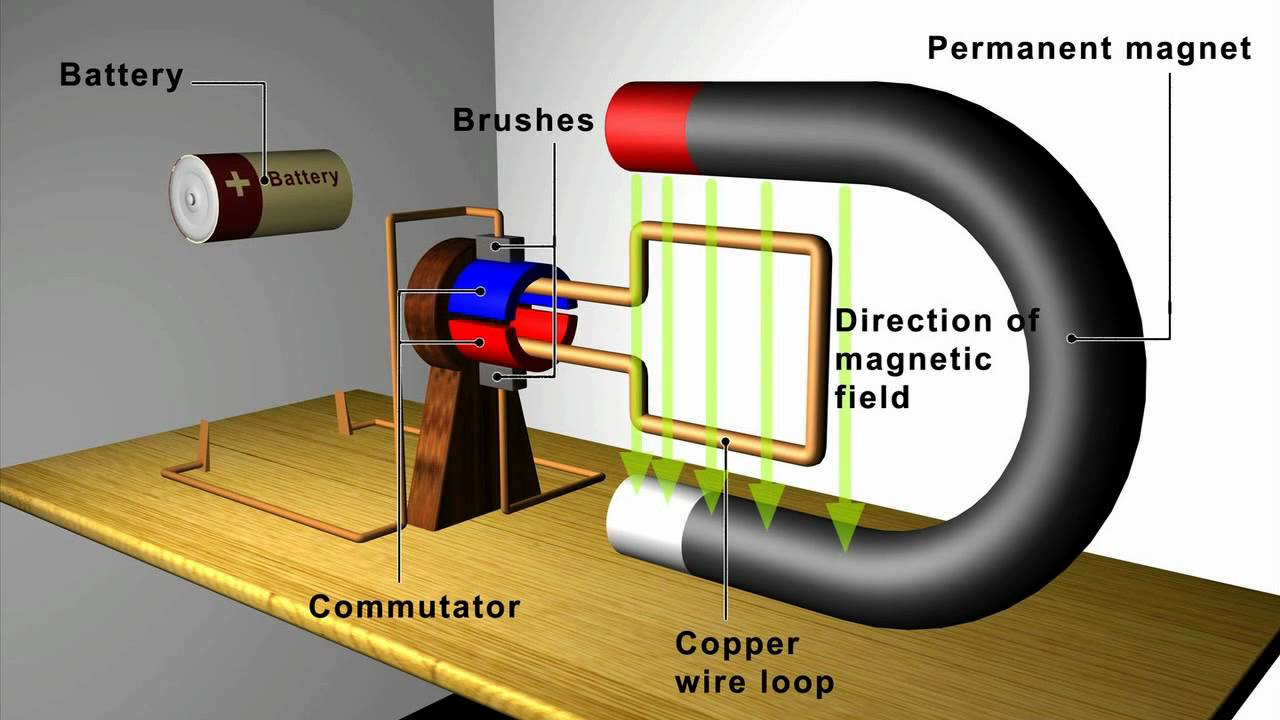
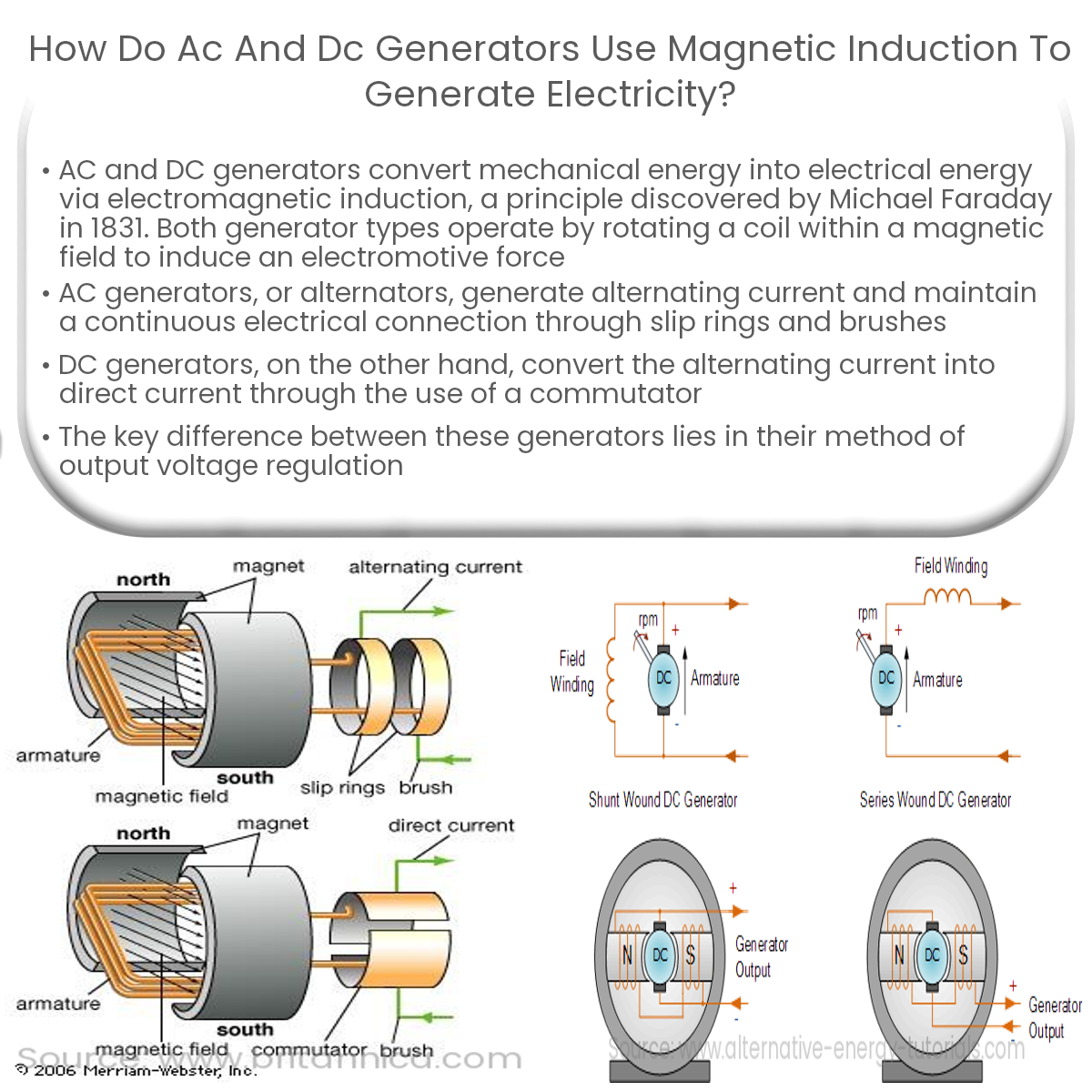
That "something" is a coil of wire inside a magnetic field, or a magnet spinning around a coil of wire. Either way, the relative movement is what is important!
As the coil spins through the magnetic field, the electrons inside the wire get all excited and start moving. And guess what moving electrons are? That’s right: Electricity!
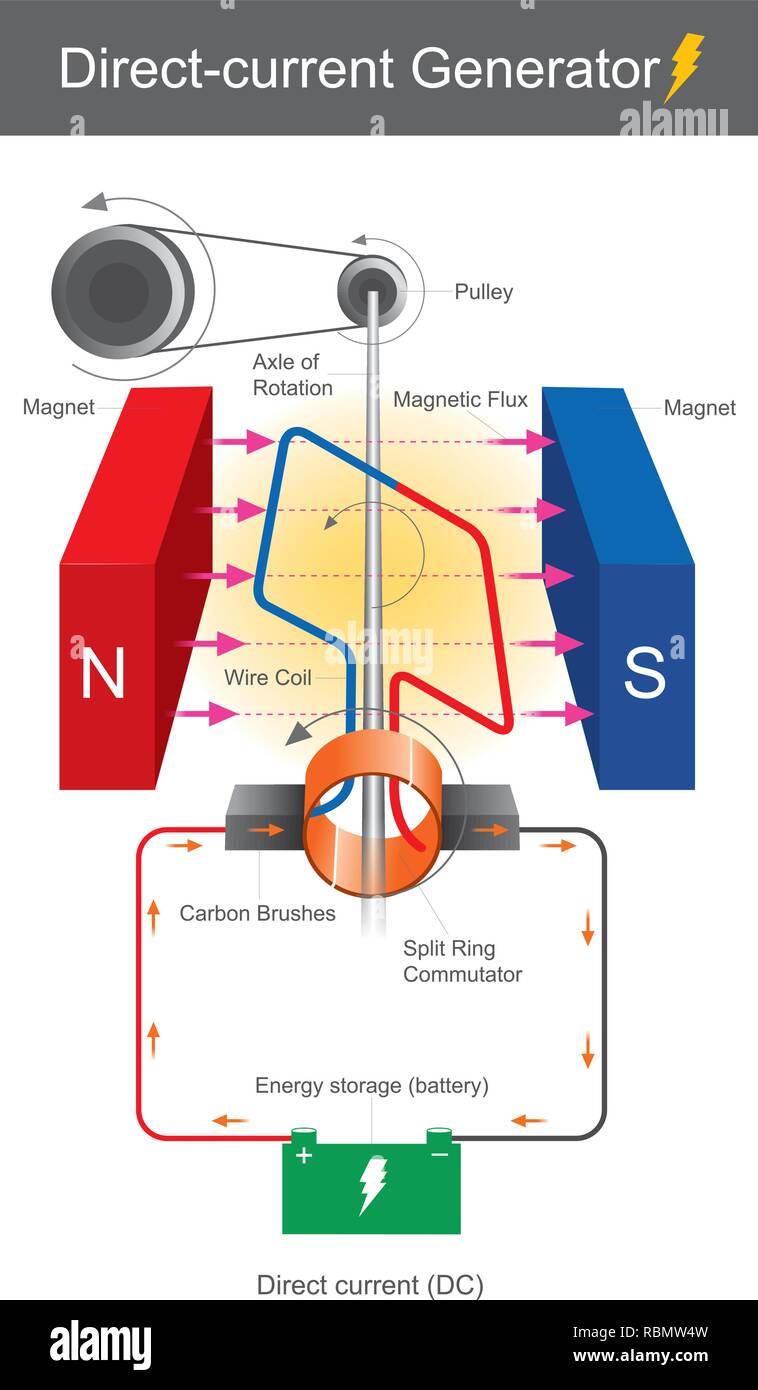
The generator is essentially forcing electrons to dance to its tune, creating a flow of electric current that you can then use to power your lights, your fridge, or even your entire house!
From Mechanical to Magical (Almost!)
The generator is taking mechanical energy (the spinning engine) and transforming it into electrical energy. Think of it like a transformer, but instead of changing voltage, it's changing the type of energy.
It's like a really dedicated alchemist, turning base metal into electrical gold. Though, let's be honest, it's a bit louder and less…magical looking than you might expect.
But even though it might not be sparkly, the process is still pretty neat. It's taking something fairly simple – spinning and magnetism – and turning it into something incredibly useful.
The Humble Heroes of Power Outages
When the power grid goes down, your generator steps in as a silent, rumbling guardian. It keeps the lights on, the fridge humming, and prevents your Netflix binge from being tragically interrupted.

Think of all the times a generator has saved the day, from keeping hospitals running during storms to powering outdoor concerts where everyone can enjoy some music.
Even though they might be tucked away in garages or construction sites, generators are vital tools for the society. They're not just machines; they're lifelines in unexpected situations.
A World Powered by Spin
The concept of a generator isn’t just used in those portable powerhouses. In fact, it’s the backbone of pretty much all electricity generation!
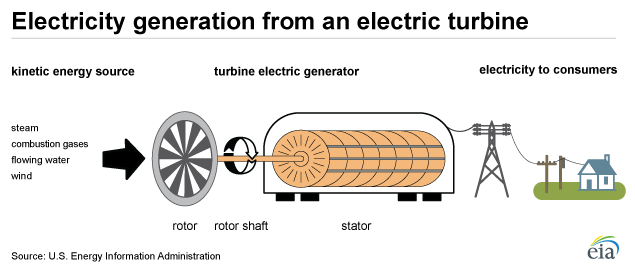
Big power plants, whether they're burning coal, harnessing nuclear energy, or using the power of flowing water, all rely on the same principle: spinning a turbine connected to a generator.
Instead of a small engine, they use steam, water, or wind to turn the turbine, but the end result is the same: a spinning coil of wire in a magnetic field, churning out electricity for the whole world.
Windmills, Waterwheels, and the Amazing Generator Family
Even those picturesque windmills and hydroelectric dams are, at their core, giant generators dressed up in charming outfits. Wind turns the blades, water turns the turbines – both creating the motion needed to generate electricity.
So, the next time you see a windmill slowly turning against the skyline, remember it’s not just a pretty sight, it's a silent partner in the global electricity-generating effort.
The generator technology is helping to create clean and renewable energy for the world. Wind, sun and water can turn turbines that generate electricity through generators.
The Beauty of Simplicity
What's truly amazing about the generator is its fundamental simplicity. It's a beautiful example of how understanding the laws of physics can lead to incredible technological advancements.
It reminds us that even the most complex systems can be broken down into understandable parts. It is also a good example of humans understanding the nature, and uses it to benefit themselves.
It takes basic principles like magnetism, motion, and conductivity, and combines them in a clever way to solve a fundamental human need: access to electricity.
A New Appreciation for the Humble Generator
So, the next time you hear the hum of a generator, take a moment to appreciate the elegant simplicity behind the mechanical symphony.
It's not just a noisy box; it's a testament to human ingenuity, a vital tool in a modern world, and a reminder that even the most mundane objects can have a surprising and fascinating story to tell.
It's a powerful reminder that science isn't just confined to labs and textbooks; it's all around us, powering our lives in ways we often take for granted. Generators do the same, they save our lives in ways we often take for granted.
Next time the lights flicker, you'll know it's not magic that’s saving the day, but rather the marvelous interplay of magnetism, motion, and a little bit of engineering know-how. So, give your generator a mental high-five – it deserves it!