Excess Solar Energy To The Grid
You know that feeling when you've finally mastered making sourdough, and suddenly your kitchen is overflowing with loaves? Or when you buy a giant bag of kale with the best intentions, and a week later, it's just... there, judging you from the back of the fridge? It’s a classic case of having too much of a good thing, isn't it? A truly first-world problem, but a problem nonetheless.
Well, something similar, but on a much grander, electrifying scale, is happening with our beloved solar panels. We’ve all been rooting for them, cheering them on as they soak up those glorious rays and churn out clean, green energy. And they’re doing a fantastic job – maybe even too fantastic, sometimes.
The Sunny Dilemma: Too Much Sun Juice!
Here’s the thing: your rooftop solar system, or a massive solar farm, generates electricity whenever the sun is shining. That's great! You use what you need for your lights, your fridge, your charging phone. But what about those super bright, mid-day hours when everyone’s at work or school, and your house is barely sipping power?
Must Read
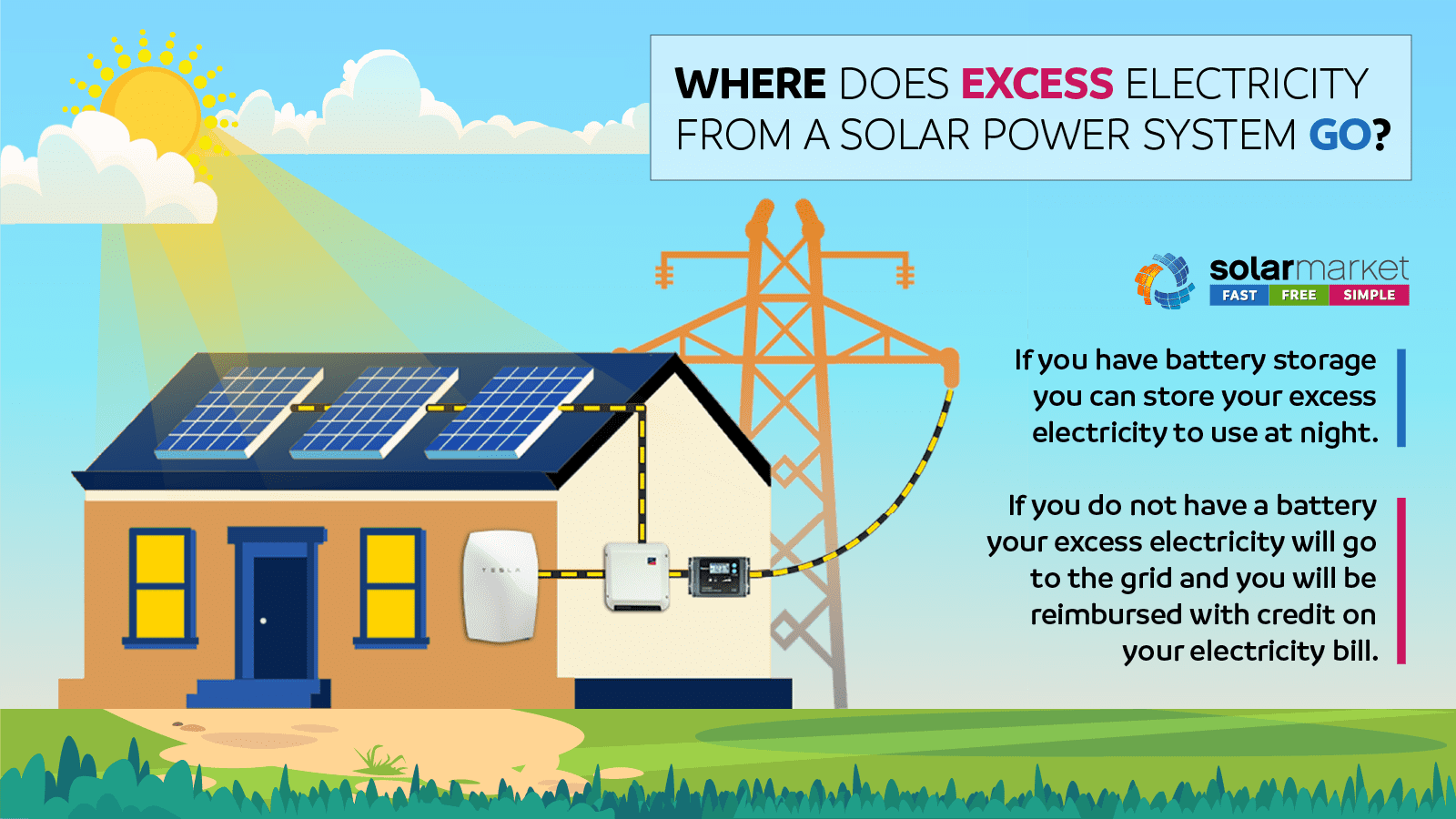
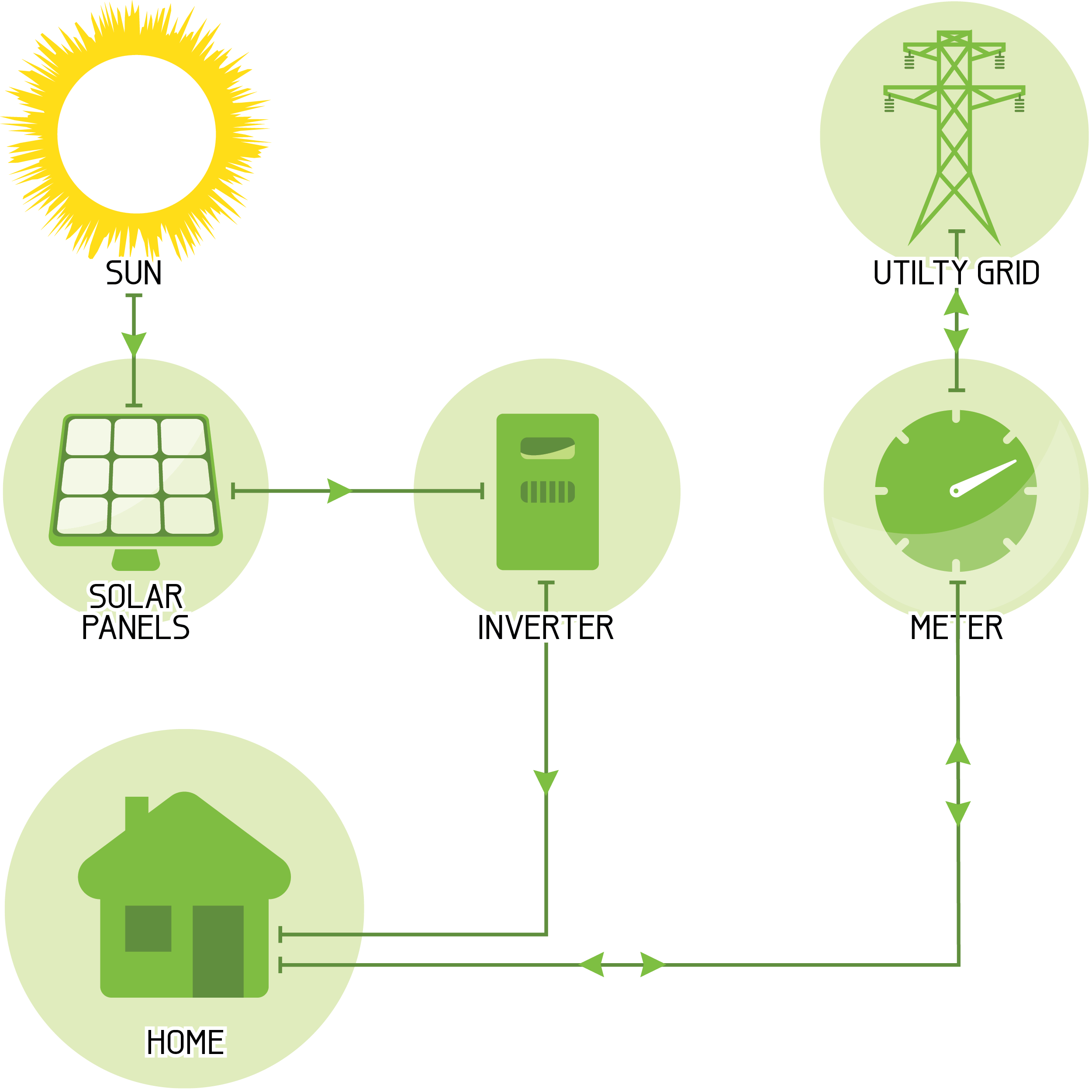
Those panels are still cranking out electrons like it’s their job (because, well, it is). And often, they’re producing way more than you can possibly use. Where does all that extra, glorious, clean energy go? It gets sent back to the grid. Sounds like a win-win, right? Free energy for everyone! And sometimes, it really is fantastic. But sometimes, it becomes a bit of a headache for the people managing the power lines.
Think about it like this: the electricity grid is a delicate balancing act. Supply has to meet demand, almost to the millisecond. If there's suddenly a massive surge of power from thousands of solar installations, and not enough demand to soak it up, things get a little wonky. We’re talking voltage spikes, grid instability, and even potential blackouts if it’s not managed properly. It’s like trying to pour a whole swimming pool into a teacup – useful water, but not in the right context, you know?
The Grid's Balancing Act: A High-Wire Show
This challenge is often referred to by a rather cute but serious term: the "duck curve." Imagine a graph showing power demand throughout the day. In the morning, demand goes up as people wake up. Then, as the sun gets high and solar panels start pumping out power, the net demand (what the grid needs to supply after solar is accounted for) drops significantly, creating the "belly" of the duck. Then, as the sun sets and solar generation plummets, but people come home and crank up the AC and turn on lights, demand spikes dramatically – that's the "neck" of the duck. This sharp ramp-up is incredibly hard for traditional power plants to manage quickly.
So, what do we do with this abundance of sunshine-derived electrons? What are the current strategies, and what’s on the horizon?
1. Net Metering & Getting "Paid" (Sort Of)
The most common solution for homeowners is called net metering. Your meter basically runs backward when you're sending excess power to the grid. At the end of the month, you only pay for the "net" electricity you consumed. Some utilities even give you credits or a small payment for your surplus. It's a sweet deal, often. But let’s be real, the payment you get for that excess electricity is usually not what you pay to buy electricity from the grid. Your utility isn't running a charity, after all!
2. The Unthinkable: Curtailment
Sometimes, if the grid is truly overloaded and there’s no immediate demand or storage available, utilities have to do something that feels downright criminal: they tell solar farms to turn down or turn off their production. Yes, you read that right. Clean, free, renewable energy, just... wasted. Imagine baking a perfect batch of cookies and then being told you can't eat them. That's curtailment in a nutshell, and it happens more often than you might think, especially in super sunny states like California.
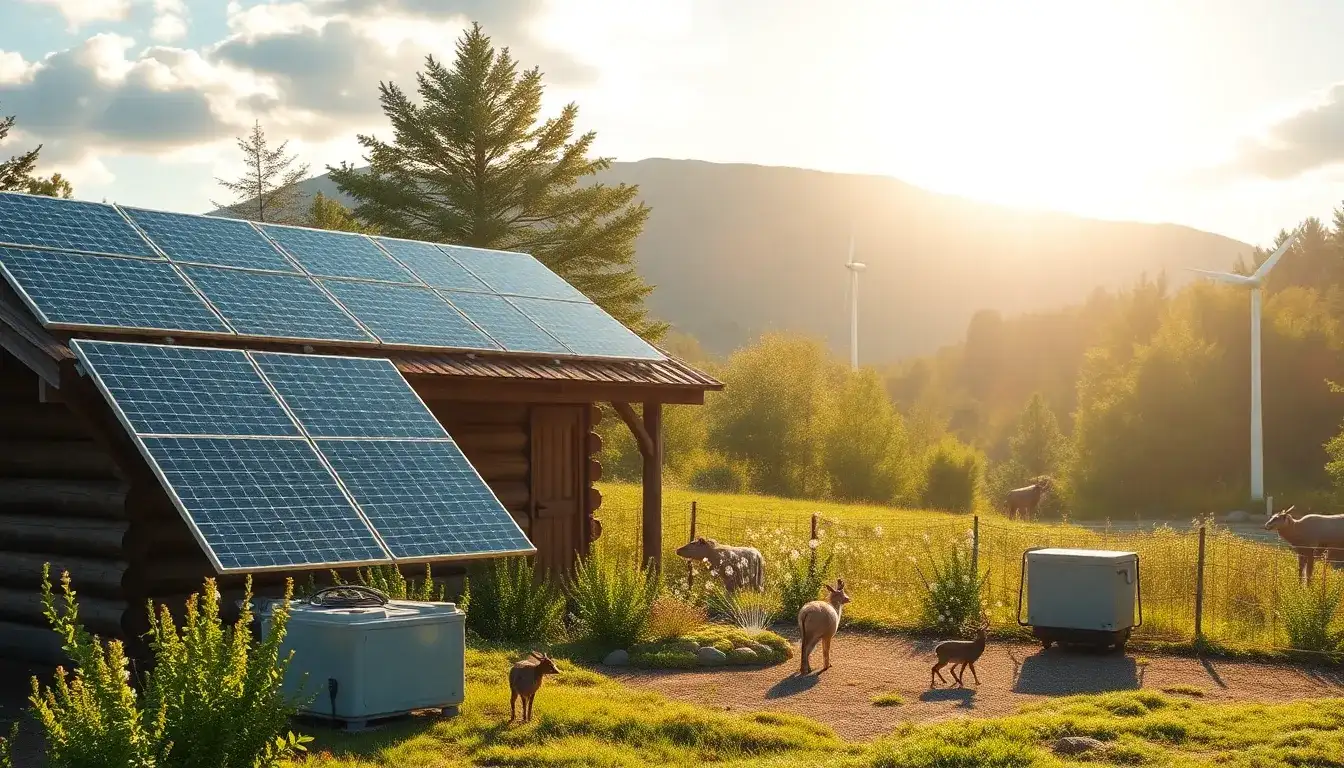
3. Battery Storage: The Holy Grail (Almost!)
This is the obvious answer, right? Store the excess energy in batteries! And absolutely, home battery systems like Tesla Powerwalls are becoming more common. They store your daytime solar surplus for use at night or during outages. On a larger scale, massive grid-level batteries are being deployed to soak up excess renewable energy and release it when needed. The catch? Batteries are still pretty darn expensive, and they have a finite capacity. But, prices are falling, and the technology is rapidly improving. This is definitely where a lot of the future lies.
4. Getting Creative: Power-to-X and Smart Grids
Beyond batteries, there's some seriously cool stuff happening. Imagine using that excess electricity to produce hydrogen, which can then be stored and used as fuel or to generate electricity later. This is called "Power-to-X" (where X could be hydrogen, synthetic fuels, or even heat). We're also seeing the rise of smart grids that can intelligently direct power where it's needed most, incorporating dynamic pricing to encourage people to use electricity when it's most abundant (and cheapest!). Think of it: cheap electricity to charge your EV or run your dishwasher mid-day when solar is booming!
So, while having too much solar energy might seem like a strange problem to have, it’s actually a sign of incredible progress. It means we’re getting really good at generating clean power. The challenge now isn’t just making more clean energy, but getting smarter about how we manage, store, and utilize it. It’s a good problem to have, truly. And one that brilliant minds are working on solving every single day. What do you think is the most exciting solution to this sunny dilemma?