
Examples Of Renewable And Nonrenewable Sources
Hey there, eco-chic readers! Ever feel like the world is throwing a lot of jargon at you? Renewable, nonrenewable, sustainable... it can be a head-scratcher. But fear not! We're here to break it down in a way that's as easy to digest as your morning smoothie.
Today, we're diving into the fascinating world of energy sources – the good, the (potentially) not-so-good, and everything in between. Think of it as your personal guide to becoming an energy guru, one sustainable step at a time.
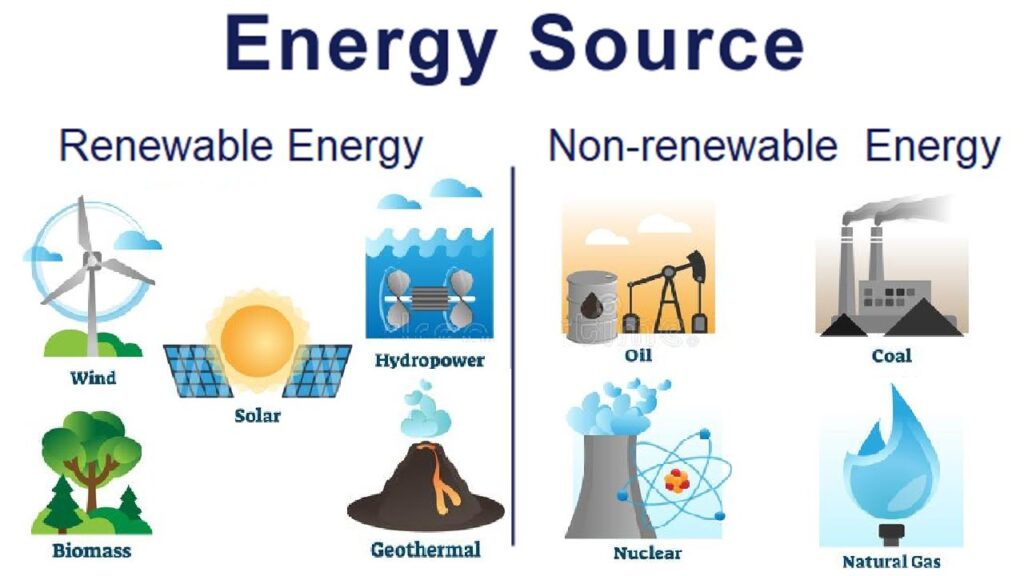
Renewable Resources: Nature's Endless Buffet
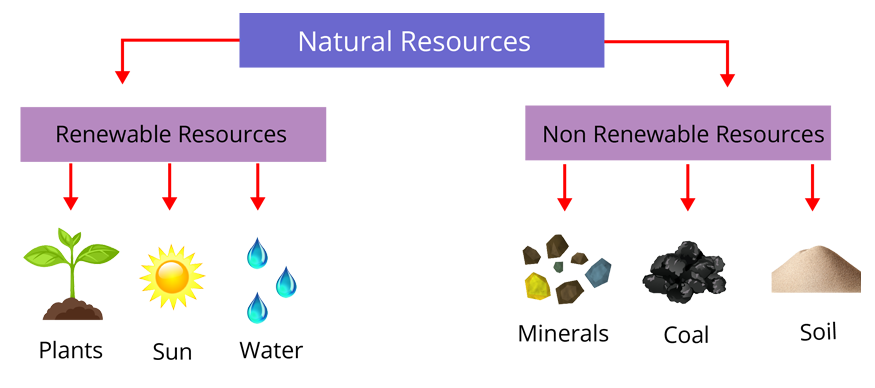
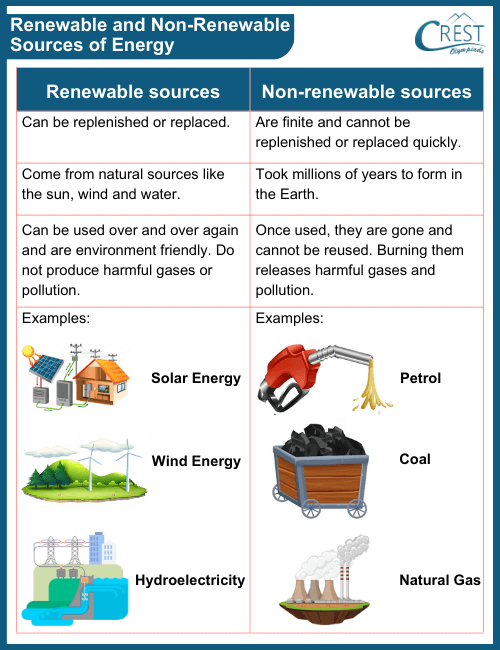
Imagine a buffet that never runs out. That's essentially what renewable resources are! They're naturally replenished, meaning we can use them without completely depleting them. Think of it as nature's way of saying, "Help yourself! There's plenty to go around."
Must Read
Solar Power: Harnessing the Sun's Kiss
Ah, the sun! Our big, fiery ball of energy in the sky. Solar power involves capturing sunlight and converting it into electricity using photovoltaic (PV) cells. These cells are usually arranged on solar panels, which you've probably seen gracing rooftops everywhere. It's like wearing sunscreen for the planet!
Fun Fact: The first solar cell was invented way back in 1883 by Charles Fritts. Talk about ahead of his time!

Wind Power: Riding the Breezy Waves
Ever watched a field of wind turbines gracefully spinning and felt a sense of awe? That's wind power in action! Turbines harness the kinetic energy of the wind, converting it into electricity. It’s like nature's own pinwheel powering our lives.
Practical Tip: Support companies that invest in wind energy. Your choices as a consumer can make a real difference!
Hydropower: Dancing with Water
Hydropower utilizes the energy of moving water to generate electricity. Think of massive dams like the Hoover Dam, controlling the flow of water to spin turbines and create power. It’s a powerful force of nature tamed for our benefit, but it’s also important to consider its impact on ecosystems.

Geothermal Energy: Tapping into Earth's Core
Deep beneath our feet lies a hidden source of energy: geothermal energy. This involves tapping into the Earth's internal heat to generate electricity or heat buildings directly. Think of it as using the Earth’s own furnace to stay warm! Iceland is a champion of geothermal energy and a beautiful place to visit to see it in action.
Biomass Energy: Nature's Recycling Program
Biomass energy involves burning organic matter, such as wood, crops, and even garbage, to generate electricity or heat. It’s like nature's way of recycling waste into something useful, but it's important to source biomass sustainably to avoid deforestation and other environmental problems.
Nonrenewable Resources: A Finite Supply
Nonrenewable resources, on the other hand, are like a limited-edition designer bag – once they're gone, they're gone (at least on a human timescale). These resources take millions of years to form, so we can't replenish them at the rate we're using them.
Fossil Fuels: The Energy of Ancient Sunshine
Fossil fuels are formed from the remains of ancient plants and animals. This includes coal, oil (petroleum), and natural gas. They've powered the industrial revolution and continue to be major energy sources, but they also contribute significantly to greenhouse gas emissions and climate change.
Think of them as sunshine from millions of years ago, but burning them releases carbon dioxide that's been locked away for eons.
Nuclear Energy: Splitting Atoms for Power
Nuclear energy involves splitting atoms (usually uranium) in a process called nuclear fission to release energy. While it doesn't produce greenhouse gases, it does create radioactive waste, which needs careful management.
Cultural Reference: The debate around nuclear energy often pops up in movies and TV shows, reflecting its complex role in society.
Reflecting on Our Energy Choices
So, there you have it – a whirlwind tour of renewable and nonrenewable resources! Understanding these differences is the first step in making informed choices about our energy consumption. From opting for energy-efficient appliances to supporting sustainable energy initiatives, every little bit helps.
Ultimately, our energy choices reflect our values and our vision for the future. By embracing renewable energy and reducing our reliance on nonrenewable resources, we can create a brighter, cleaner, and more sustainable world for generations to come. So, go forth and be energy-wise! Your planet (and your wallet) will thank you.