
Examples Of New Product Development Process

Remember that time you had a brilliant idea for a self-stirring coffee mug? You pictured it perfectly: lazy Sunday mornings, no spoons required, pure caffeinated bliss. You even sketched a design on a napkin! But then… nothing. Life got in the way, the napkin ended up in the trash, and your revolutionary mug remained a figment of your imagination. Sound familiar? That's because taking an idea from a "Eureka!" moment to a real-life product is a whole different ball game. And it involves a process. Several processes, actually. Let's dive in.
We're going to look at a few examples of the new product development (NPD) process in action. Because honestly, understanding the theory is one thing, but seeing how it works in the real world? That's where the magic happens. (And maybe prevents future napkin-based tragedies.)
Stage-Gate Process: The Structured Approach
Think of the Stage-Gate process as the super-organized, checklist-loving friend who keeps everyone on track. It's a widely used NPD model that breaks down the development journey into distinct stages, each followed by a "gate" where a go/no-go decision is made. Essentially, it's a series of hurdles an idea must clear to survive.
Must Read
Example: Pharmaceutical Development. Imagine a pharmaceutical company trying to develop a new drug.
Stage 1: Idea Generation & Screening. Researchers brainstorm potential drug targets and initial compounds. Think "fishing expedition" but with test tubes. Only promising ideas make it through. (Side note: imagine all the ideas that don't make it. Yikes!)
Gate 1: Preliminary Assessment. Experts review the initial data. Is it safe? Does it even work in the lab? If not, it's back to the drawing board. This is a big investment decision, so no pressure!
Stage 2: Pre-Clinical Testing. Extensive testing on animals (ethical considerations are paramount here) to assess safety and efficacy. More data! More reports!
Gate 2: Clinical Trial Authorization. Regulators review the pre-clinical data and decide whether to allow human trials to proceed. Big. Freaking. Deal.
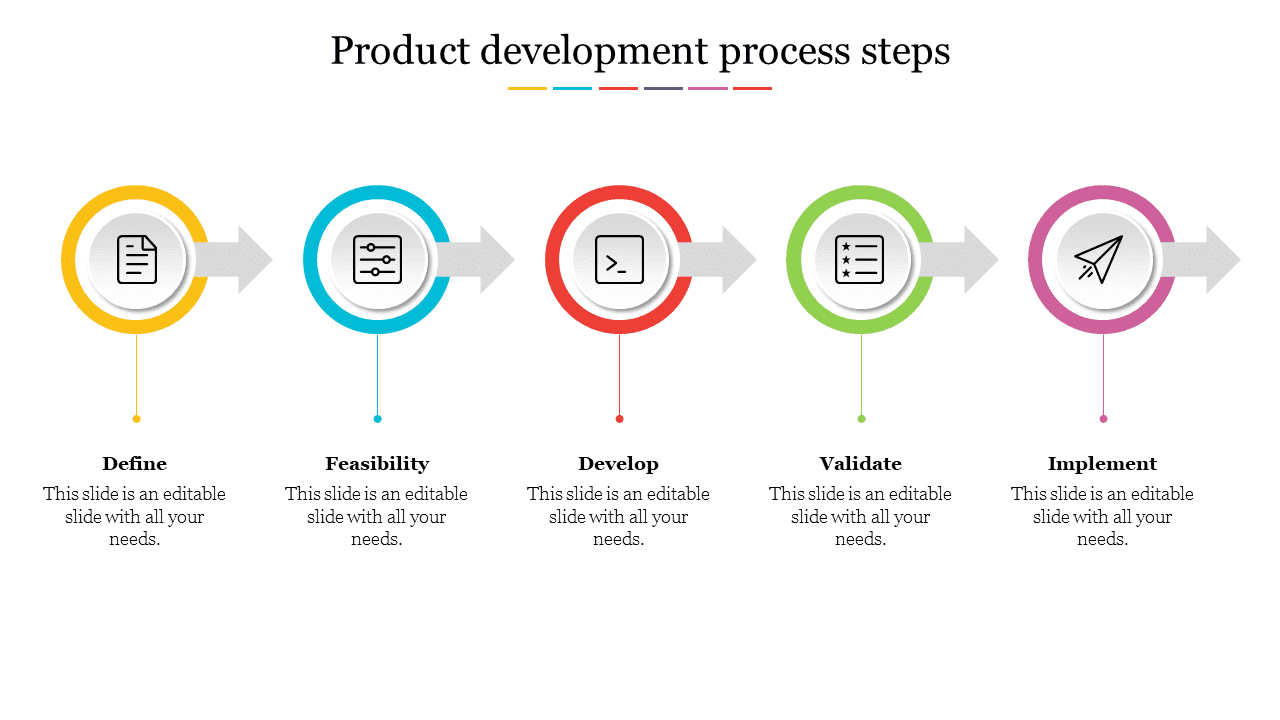
Stages 3-5: Clinical Trials (Phase I, II, III). Testing the drug on humans in increasingly larger groups. Gathering more data, monitoring for side effects, refining dosages. Each phase focuses on different aspects of safety and effectiveness. And each takes years. (Did you know that a new drug can take 10-15 years to develop and cost billions of dollars?)
Gate 3-5: Each Clinical Trial Phase has a Gate. At each gate, the data is reviewed and a go/no-go decision is made regarding continuation to the next phase.
Stage 6: Regulatory Approval & Launch. If all goes well, the drug is approved by regulatory bodies and launched to market. Celebration time! (Until the next drug development cycle begins.)
Key takeaway: The Stage-Gate process is rigorous, risk-averse, and incredibly important for industries where safety and compliance are crucial. Think pharmaceuticals, medical devices, and aerospace. It's all about minimizing failures and maximizing success. (And keeping everyone alive, which is a plus.)
Agile Development: The Flexible Approach
In contrast to the structured Stage-Gate, Agile development is all about flexibility and iteration. It's a project management philosophy that emphasizes collaboration, continuous improvement, and responding quickly to change. Think of it as the cool, collaborative artist who's constantly tweaking their masterpiece.

Example: Software Development. Think about your favorite smartphone app. It probably started as a basic version with limited features.
Sprint 1: Minimum Viable Product (MVP). Developers create a basic version of the app with core functionality. Just enough to get some users and see if it resonates.
Sprint Review: Developers demonstrate the MVP to stakeholders (users, investors, etc.) and gather feedback. What works? What doesn't? What's missing?
Sprint 2, 3, 4...: Iterative Development. Based on the feedback, developers add new features, fix bugs, and improve the user experience in short, focused "sprints" (typically 1-4 weeks). Each sprint delivers a working increment of the product.
Continuous Deployment: New features are released to users frequently, allowing for ongoing feedback and improvement. Think "beta testing on steroids."
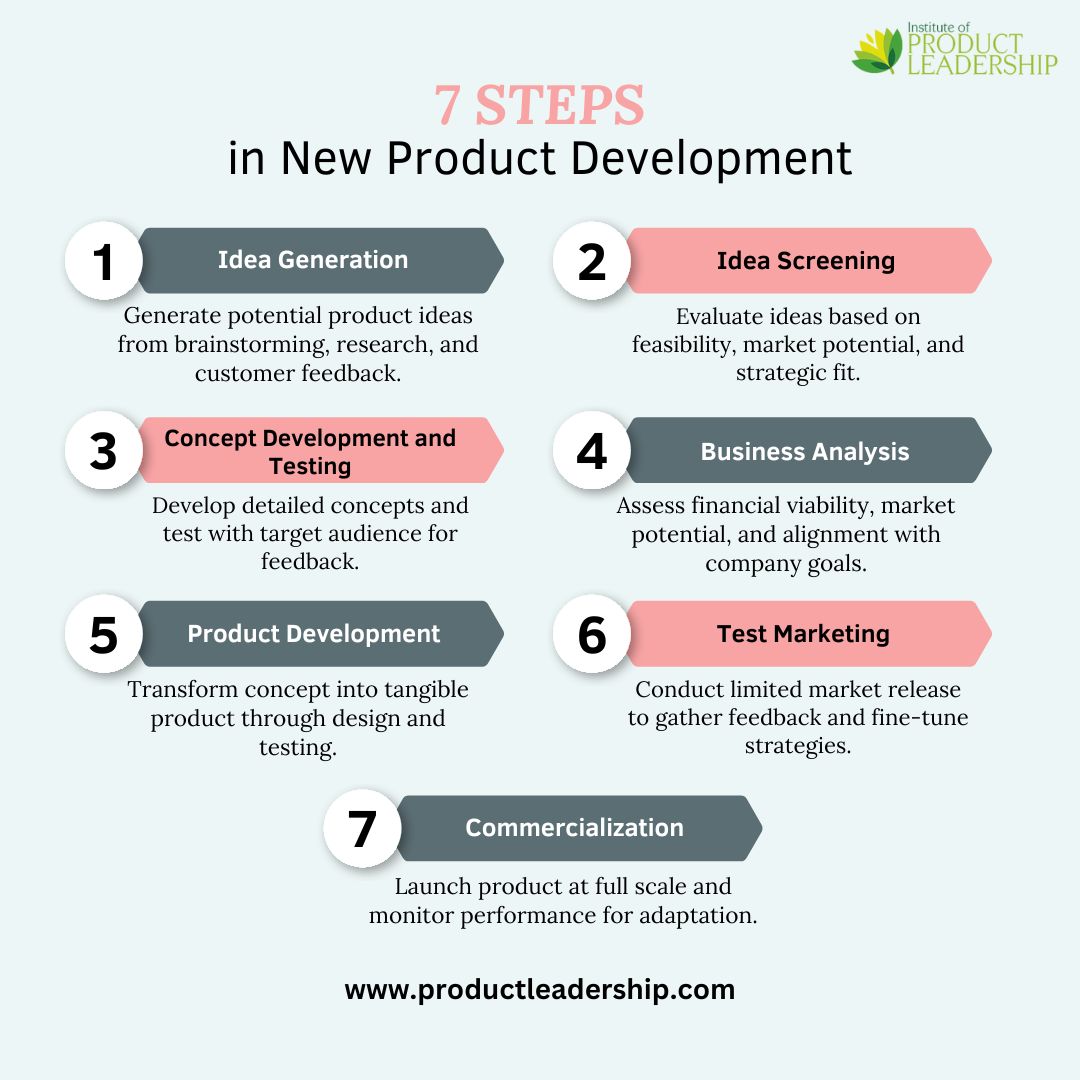
Key takeaway: Agile is perfect for rapidly changing markets where customer feedback is essential. Think software, mobile apps, and web services. It's all about adapting to change and delivering value incrementally. (And avoiding those dreaded multi-year development cycles that result in outdated products.)
Design Thinking: The Human-Centered Approach
Design Thinking focuses on understanding the needs and desires of the end-user. It's an iterative process that emphasizes empathy, experimentation, and prototyping. Think of it as the deeply empathetic therapist who wants to understand your deepest needs before offering advice (or, in this case, designing a product).
Example: IDEO's Shopping Cart Redesign. The legendary design firm IDEO famously redesigned the shopping cart using design thinking principles.
Empathize: IDEO's team observed shoppers in action, noting their pain points and frustrations with existing shopping carts. (Rattling wheels, difficulty maneuvering, limited storage space – the list goes on!)
Define: They defined the problem statement based on their observations: "How might we create a shopping cart that is easier to use, more functional, and more enjoyable for shoppers?"
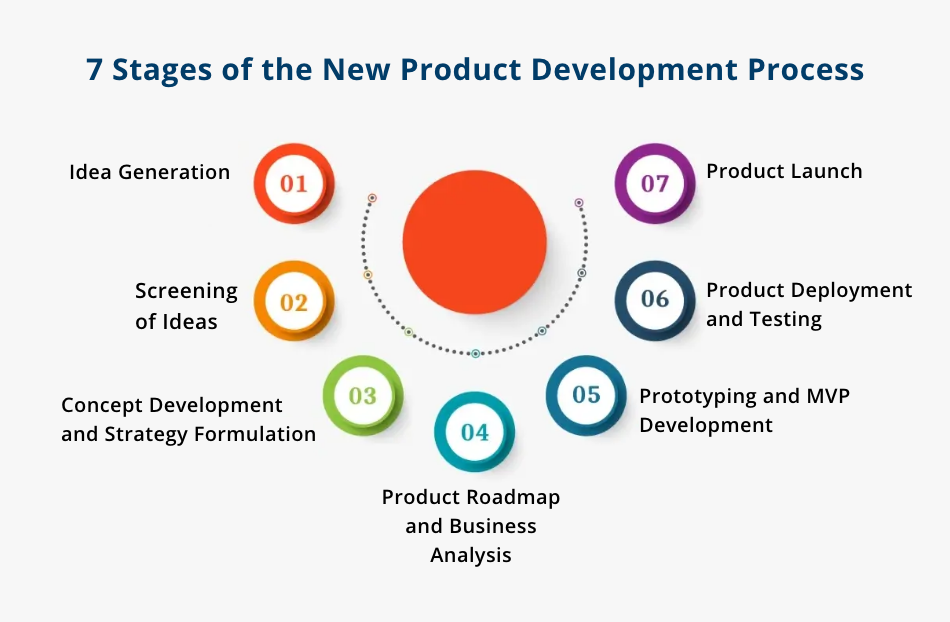
Ideate: They brainstormed dozens of potential solutions, from radical new cart designs to simple improvements to existing models.
Prototype: They built quick and dirty prototypes to test their ideas. Some worked, some didn't. (Fail fast, learn faster, right?)
Test: They tested their prototypes with real shoppers, gathering feedback and iterating on their designs.
Implement: The final design incorporated features like smoother wheels, improved maneuverability, and flexible storage solutions. It was a better shopping cart, designed with the user in mind.
Key Takeaway: Design Thinking is excellent when you need to create a product or service that truly resonates with your target audience. Think product design, user experience (UX), and service innovation. It is all about creating solutions that people actually want to use.
So, next time you have a brilliant idea, don't just sketch it on a napkin. Consider which NPD process makes the most sense for your product, your market, and your resources. And who knows, maybe you'll be the next self-stirring coffee mug mogul. (Just remember to thank me in your acceptance speech.)