Examples For Renewable And Non Renewable Resources

Ever feel like you're at the grocery store, and there's a limited-edition flavor of ice cream everyone's going crazy for? You know, the kind that disappears off the shelves faster than free pizza at a college party? That's kind of how non-renewable resources work. And the stuff that's always there, like good ol' reliable vanilla? That's our renewable buddies.
Let’s dive into the world of renewable and non-renewable resources, but in a way that won't make your eyes glaze over. Think of it like this: resources are the stuff we use to power our lives, build our homes, and, well, everything else! And some of that stuff is limited, while some of it's basically endlessly refilling, like that bottomless cup of coffee you get at your favorite diner.
Non-Renewable Resources: The Limited Edition Ice Cream
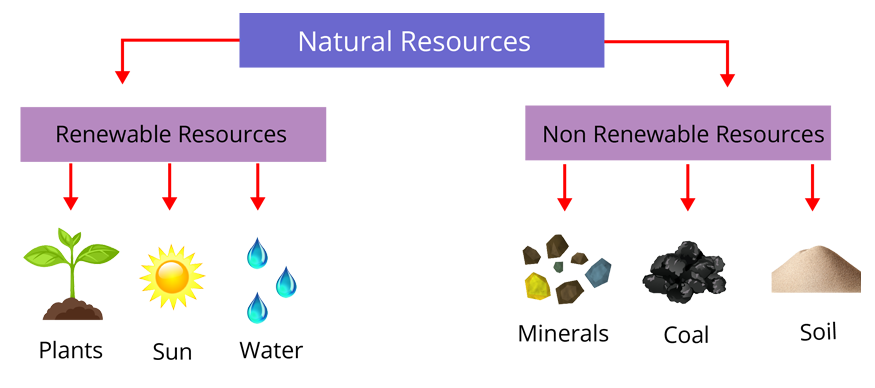
Non-renewable resources are those that exist in finite amounts. Once we use them up, poof! They're gone, just like that limited-edition ice cream. It took millions of years for these resources to form, so they're not exactly growing on trees (or, you know, in the ground) at a rate that keeps up with our consumption.
Must Read
Here are some everyday examples:
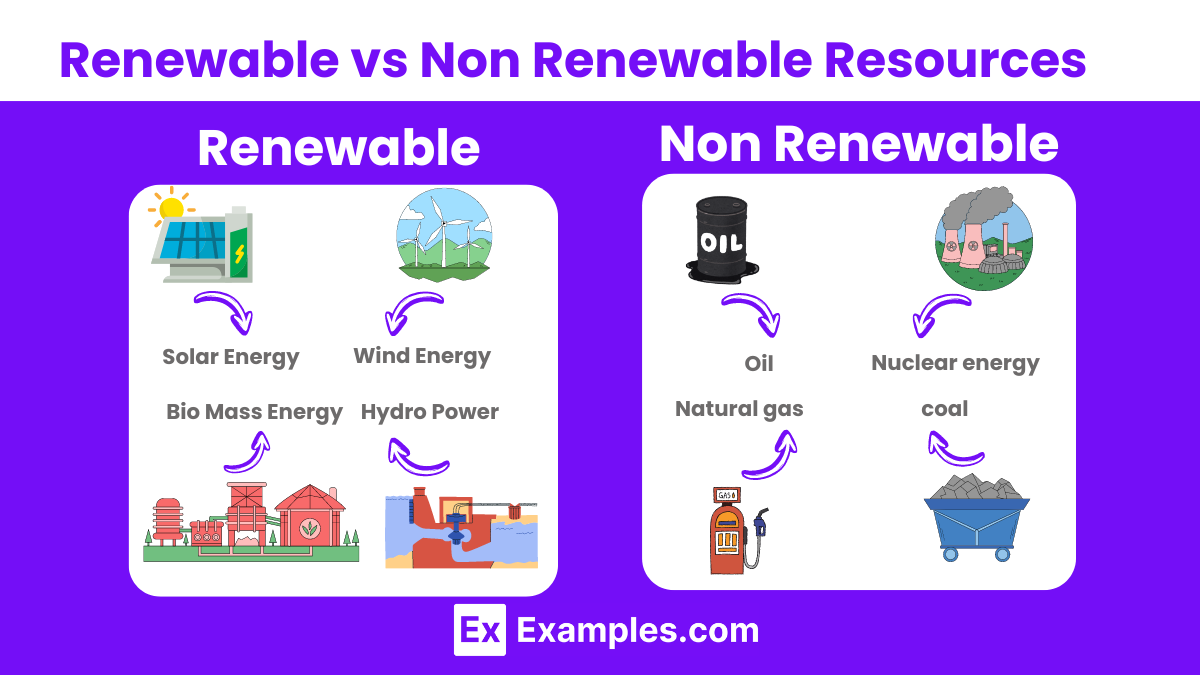
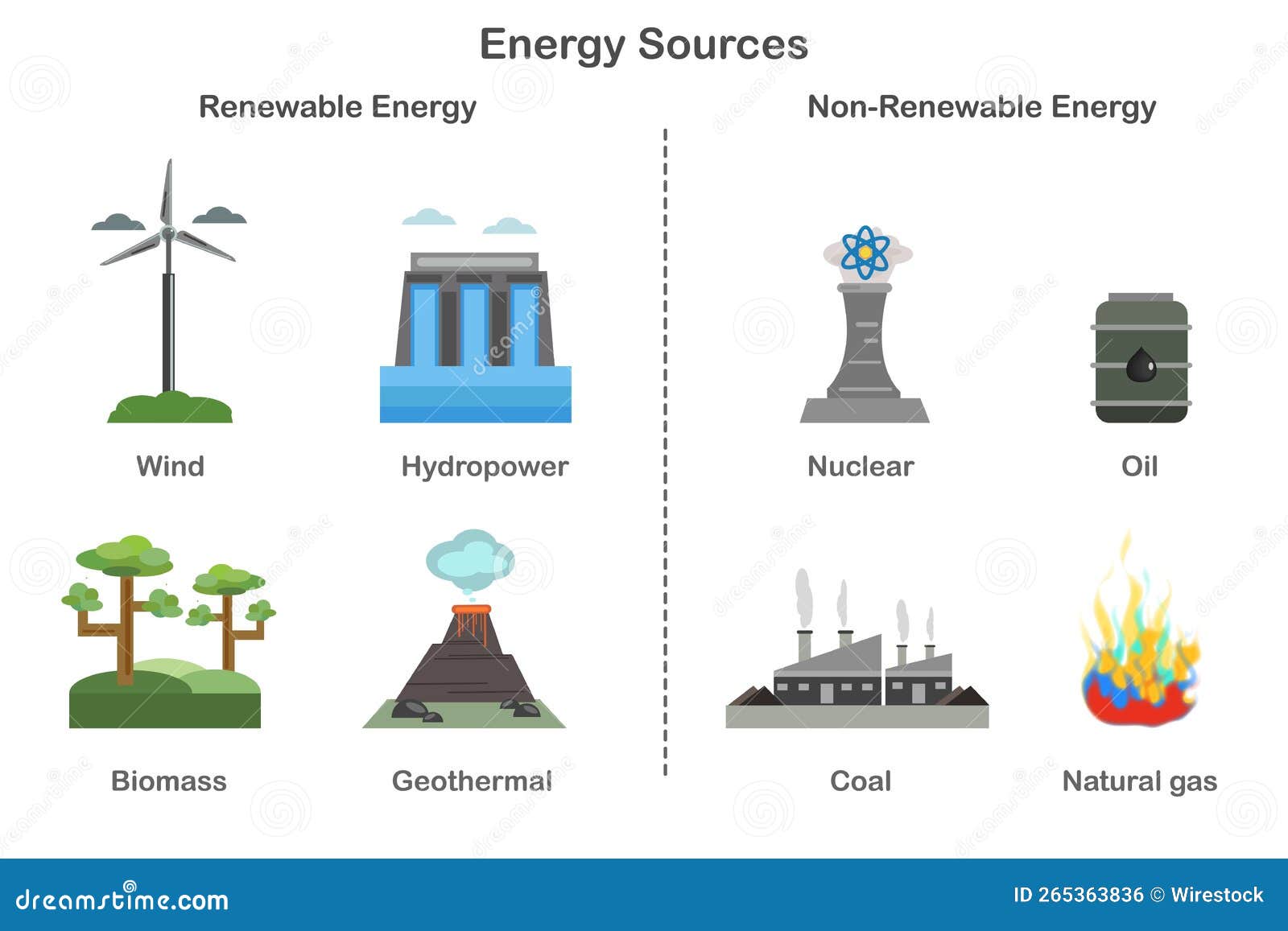
- Coal: Think of coal as the grumpy grandpa of energy sources. It's been around forever and we burn it to generate electricity. Imagine Santa stocking up on coal all year just so that your house is powered during winter, it is definitely not sustainable. But once you burn it, it’s gone, leaving behind ashes and, well, not a whole lot of future coal.
- Oil (Petroleum): This is the slick stuff we refine into gasoline to power our cars. Ever get that low-fuel warning light and feel a pang of anxiety? That's because you know oil is a precious, limited resource.
- Natural Gas: You probably use natural gas to heat your home or cook your meals. It's convenient, but like oil and coal, it’s a fossil fuel that takes eons to form.
- Nuclear Fuels (Uranium): Used in nuclear power plants to generate electricity. While nuclear energy doesn't produce greenhouse gasses like fossil fuels, the uranium used is a non-renewable resource. Also, dealing with the leftover nuclear waste is a long term problem.
See? The common thread is that these resources are used way faster than they can be replenished. Using non-renewable resources can be like overspending your budget on that fancy gadget, it might be good now, but how will you deal with the necessities tomorrow?
Renewable Resources: The Vanilla Ice Cream That's Always There (Hopefully)
Renewable resources, on the other hand, are naturally replenished. They're like that vanilla ice cream – as long as we don’t go completely bananas and eat it all at once, there's usually more where that came from.
Let's look at some examples that power our everyday lives:

- Solar Energy: The sun is a giant, inexhaustible ball of energy. Solar panels capture sunlight and convert it into electricity. Picture this, you have a friend who always has a bright personality to brighten your days. Imagine how cool it is to have that inexhaustible source that gives and gives!
- Wind Energy: Wind turbines harness the power of the wind to generate electricity. Think of it as using a giant pinwheel to power your home. Plus, windmills are a great source of fun, especially for kids.
- Hydropower: Dams use the power of moving water to generate electricity. Water is constantly being recycled through the water cycle, making hydropower a renewable source.
- Geothermal Energy: Harnessing heat from the Earth's core to generate electricity or heat buildings. It’s like having a built-in, never-ending furnace! The earth's core is almost as stable as your core when you're working out at the gym.
- Biomass: Burning organic matter, like wood or agricultural waste, for energy. It’s like turning your yard waste into power – pretty neat, right?
The great thing about renewable resources is that they're generally much cleaner and more sustainable than non-renewable resources. It is like choosing the healthy food option at the supermarket instead of the junk food, it's good for you in the long term.
Why This Matters (In a Non-Preachy Way)
Understanding the difference between renewable and non-renewable resources isn't just some boring science lesson. It’s about making smart choices for the future. Think about how much you use every day. Every time you flip a light switch, drive your car, or turn on the heat, you're using resources. Choosing renewable energy options when they're available is like choosing to recycle – it’s a small thing that can make a big difference. You can't recycle your limited edition ice cream, but you sure can make better choices that benefit the environment.
So, the next time you’re reaching for that last scoop of ice cream, remember the difference between renewable and non-renewable resources. Let's all try to be a little more like vanilla ice cream and a little less like that limited-edition flavor that's gone before you know it. The earth will thank you!