Example Of Kinetic Energy And Potential Energy
Have you ever wondered why a rollercoaster is so thrilling, or how a hydroelectric dam generates electricity? The secret lies in two fundamental concepts of physics: kinetic energy and potential energy. Understanding these concepts isn't just about acing a science test; it's about understanding the world around you in a deeper, more meaningful way. Plus, it's surprisingly fun once you get the hang of it!
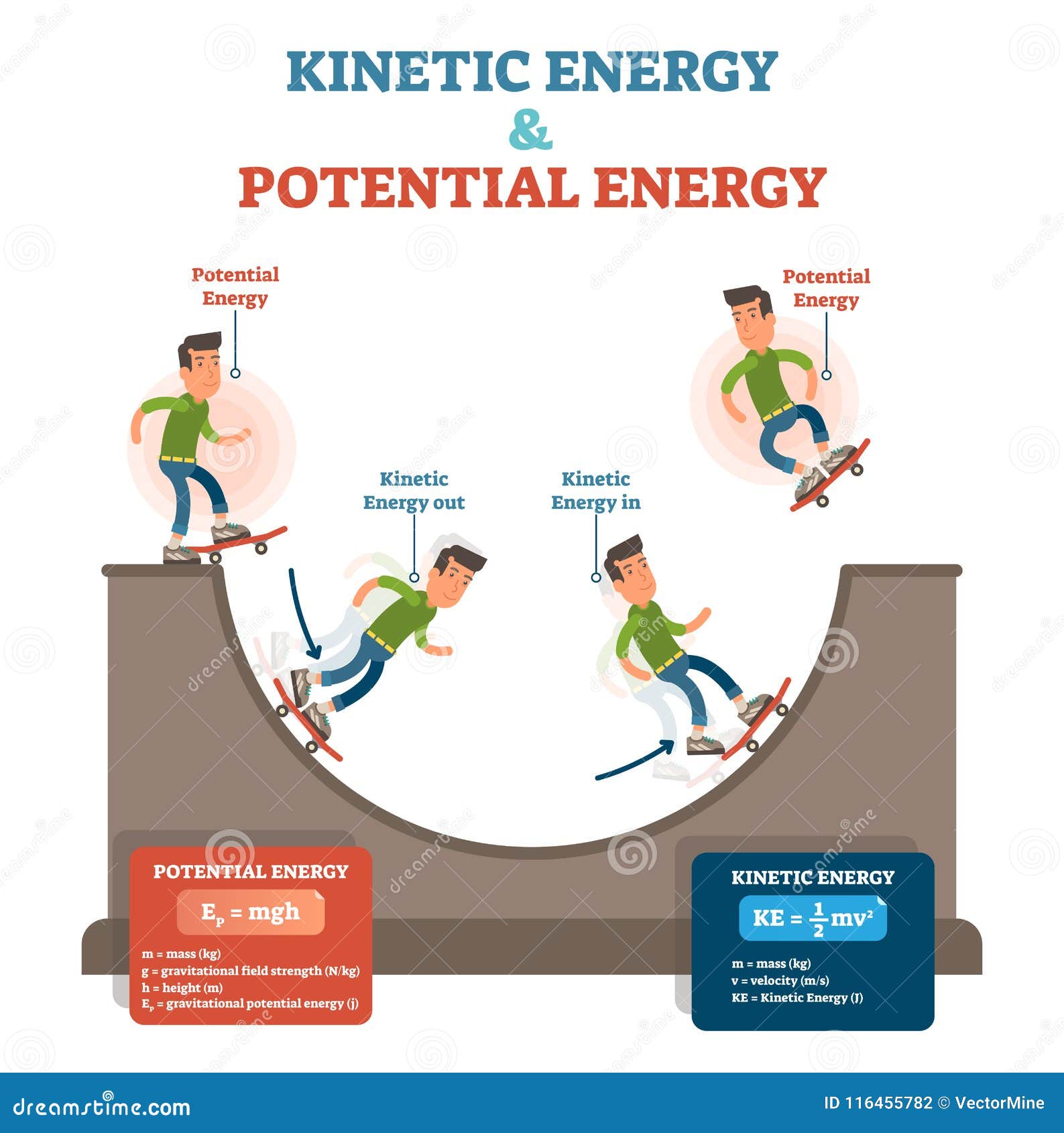
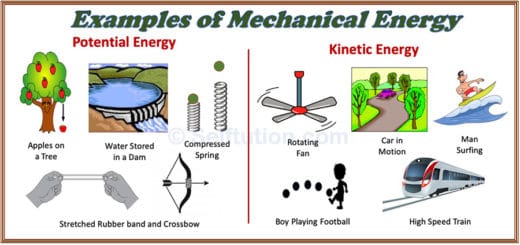
So, what's the point of learning about kinetic and potential energy? Simply put, these concepts describe the different forms of energy an object can possess. Kinetic energy is the energy of motion – anything moving has kinetic energy. A speeding car, a flowing river, even the wind rustling leaves all possess kinetic energy. The faster something moves and the more mass it has, the greater its kinetic energy.
Potential energy, on the other hand, is stored energy – the energy an object has due to its position or condition. Think of a book sitting on a high shelf. It's not moving, but it has the potential to fall. This is gravitational potential energy, which depends on the object's height and mass. Other types of potential energy include elastic potential energy (like a stretched rubber band) and chemical potential energy (like the energy stored in a battery or food).
Must Read
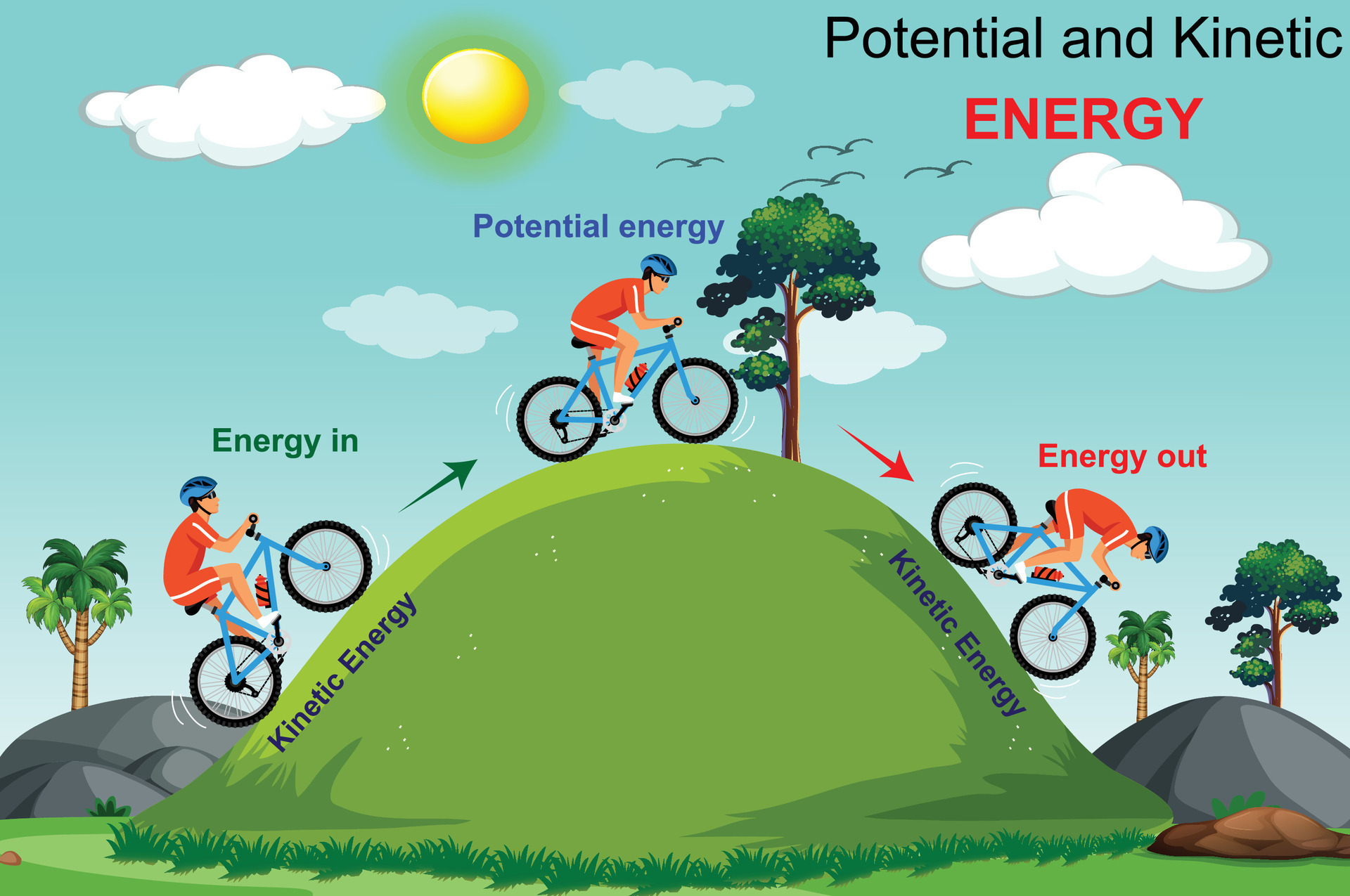
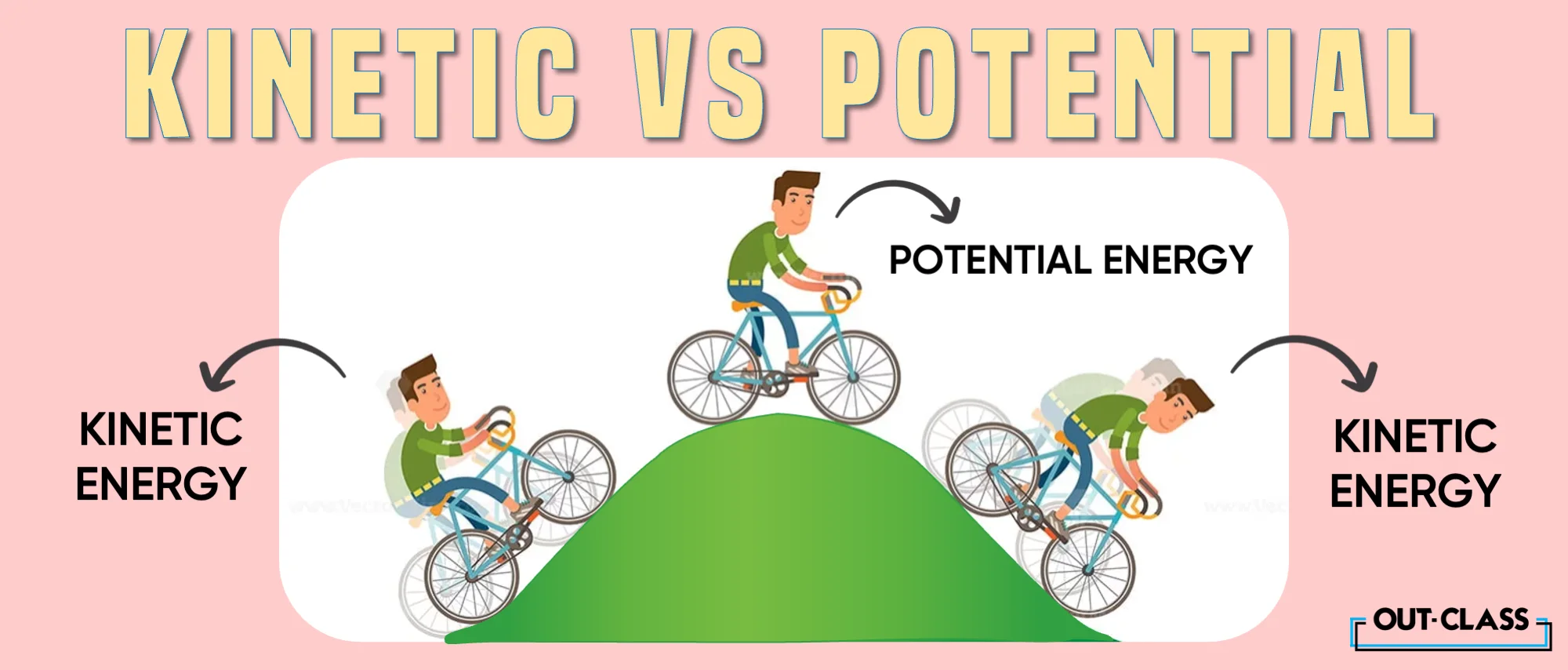
One of the biggest benefits of understanding these energy types is seeing how they transform into each other. That rollercoaster we mentioned earlier? As it climbs the first big hill, it gains gravitational potential energy. At the very top, it has maximum potential energy and almost no kinetic energy. But as it plunges down the other side, that potential energy is converted into kinetic energy, giving you that exhilarating feeling of speed! This conversion happens constantly all around us, from a swinging pendulum to a bouncing ball.
These concepts are used extensively in education. Physics classes rely heavily on kinetic and potential energy to explain mechanics, thermodynamics, and even electricity. But it's not just confined to textbooks. Architects use these principles to design buildings that can withstand earthquakes, engineers use them to build efficient engines, and even athletes subconsciously utilize them when optimizing their performance. A baseball pitcher, for example, converts the potential energy stored in their muscles into the kinetic energy of the thrown ball.
Exploring kinetic and potential energy is easier than you might think. Try these simple experiments:
- The Pendulum Swing: Tie a small weight to a string and let it swing. Observe how the potential energy is highest at the top of the swing and converts to kinetic energy at the bottom.
- The Bouncing Ball: Drop a ball and observe how it bounces. Each time it hits the ground, it loses some energy due to factors like sound and heat.
- The Rubber Band Launcher: Stretch a rubber band and then release it. The elastic potential energy is converted into kinetic energy, launching whatever is held in the band.
By observing these simple phenomena, you can start to grasp the fundamental principles of kinetic and potential energy and appreciate the role they play in shaping the world around us. Keep asking questions, keep exploring, and you'll be amazed at what you discover!