
Environmental Impact Of Nuclear Power Generation

Alright, let's talk nuclear! No, not the dramatic Hollywood kind. We're diving into the environmental impact of nuclear power generation. It's a topic that often sparks debate, conjuring images of mushroom clouds and glowing green goo. But fear not, dear reader, we're here to break it down in a chill, easy-to-digest way.
So, what's the deal? Is nuclear energy a green superhero in disguise, or a villain lurking in the shadows? The truth, as always, is somewhere in between.
The Upside: Carbon-Free Powerhouse
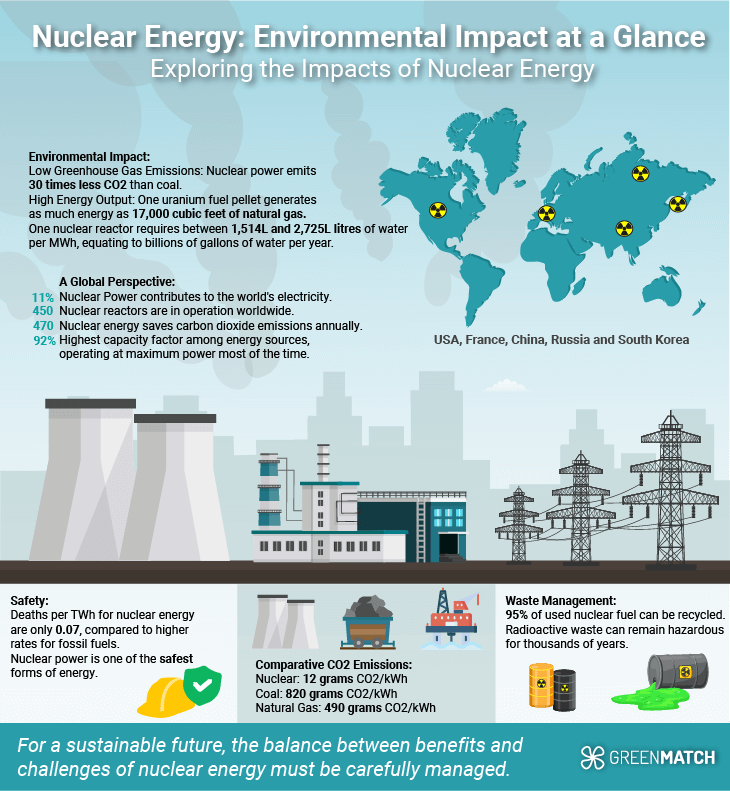
Let's start with the good stuff. The biggest environmental win for nuclear power is its almost zero carbon emissions during operation. That's right, no greenhouse gasses puffing into the atmosphere while the plant is humming along, generating electricity. Think of it as the energy equivalent of a silent disco – all the power, none of the noise (or in this case, pollution!).
Must Read
Compared to fossil fuels like coal and gas, which are major contributors to climate change, nuclear power is a breath of fresh air. Literally. This makes it a valuable tool in the fight against global warming, helping us transition to a cleaner energy future. Remember that Leonardo DiCaprio documentary you watched? Nuclear power is like the underdog hero trying to save the planet.
Another bonus? Nuclear power plants are incredibly efficient. A small amount of uranium fuel can generate a massive amount of electricity. Think of it like this: a single uranium pellet, about the size of your fingertip, contains the same energy as almost a ton of coal! Talk about packing a punch.

The Downside: Waste and Risk
Now, let's address the elephant in the (reactor) room: nuclear waste. This is the byproduct of the nuclear reaction, and it's radioactive for a very long time. The big question is, what do we do with it?
Currently, most nuclear waste is stored on-site at nuclear power plants, in specially designed pools and dry storage casks. These are engineered to safely contain the radioactive material and prevent it from leaking into the environment. Scientists are also exploring more permanent solutions, like deep geological repositories – think of them as underground bunkers for radioactive waste.
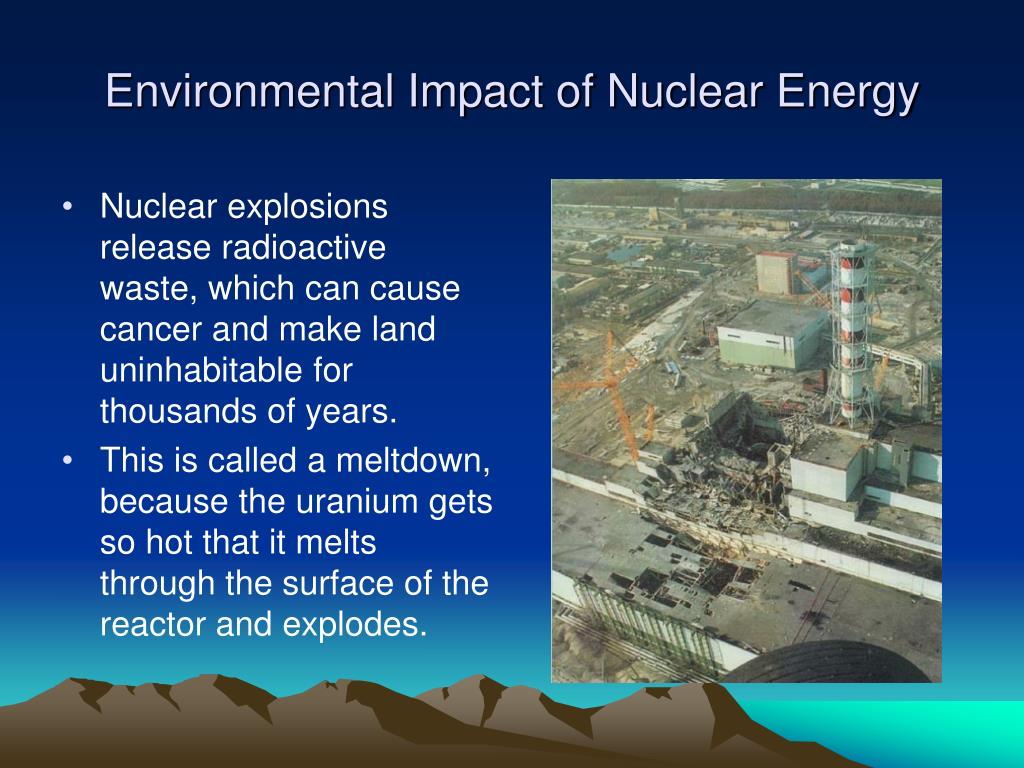
And then there's the risk of accidents. While rare, nuclear accidents like Chernobyl and Fukushima have shown us the devastating consequences that can occur when things go wrong. These events highlight the importance of strict safety regulations and robust emergency response plans.
The Middle Ground: Innovation and Regulation
The good news is that the nuclear industry is constantly evolving. New reactor designs are being developed that are safer, more efficient, and produce less waste. These include Small Modular Reactors (SMRs), which are smaller and more flexible than traditional reactors, and Generation IV reactors, which are designed to be even more sustainable.
Furthermore, international organizations like the International Atomic Energy Agency (IAEA) play a crucial role in promoting nuclear safety and security worldwide. They provide guidelines, conduct inspections, and offer assistance to countries operating nuclear power plants.

Think of it as constantly updating your phone's operating system. As technology gets better, so does nuclear energy safety.
Practical Tips & Cultural Nods
What can you do? Stay informed! Read articles, watch documentaries (other than just the scary ones!), and engage in respectful discussions. Support policies that promote research and development of safer nuclear technologies. Even something as simple as choosing an energy provider that incorporates nuclear power into its portfolio can make a difference.
Fun fact: Did you know the first nuclear power plant was built in Obninsk, Russia in 1954? Pretty cool bit of history!
Consider this: The Simpsons nuclear power plant is more funny than reality. Real-life power plants are far more sophisticated than Homer Simpson's workplace.
Bringing it Home
The debate around nuclear power is complex, with valid arguments on both sides. But ultimately, it's about finding the right balance between energy security, environmental protection, and economic viability. As we navigate the challenges of climate change, it's important to consider all the tools at our disposal, including nuclear power.
Think about it next time you flip on a light switch. Where does that energy come from? Understanding the environmental impact of different energy sources empowers us to make informed choices and contribute to a more sustainable future. And who knows, maybe one day we'll all be powering our homes with clean, safe, and efficient nuclear energy.