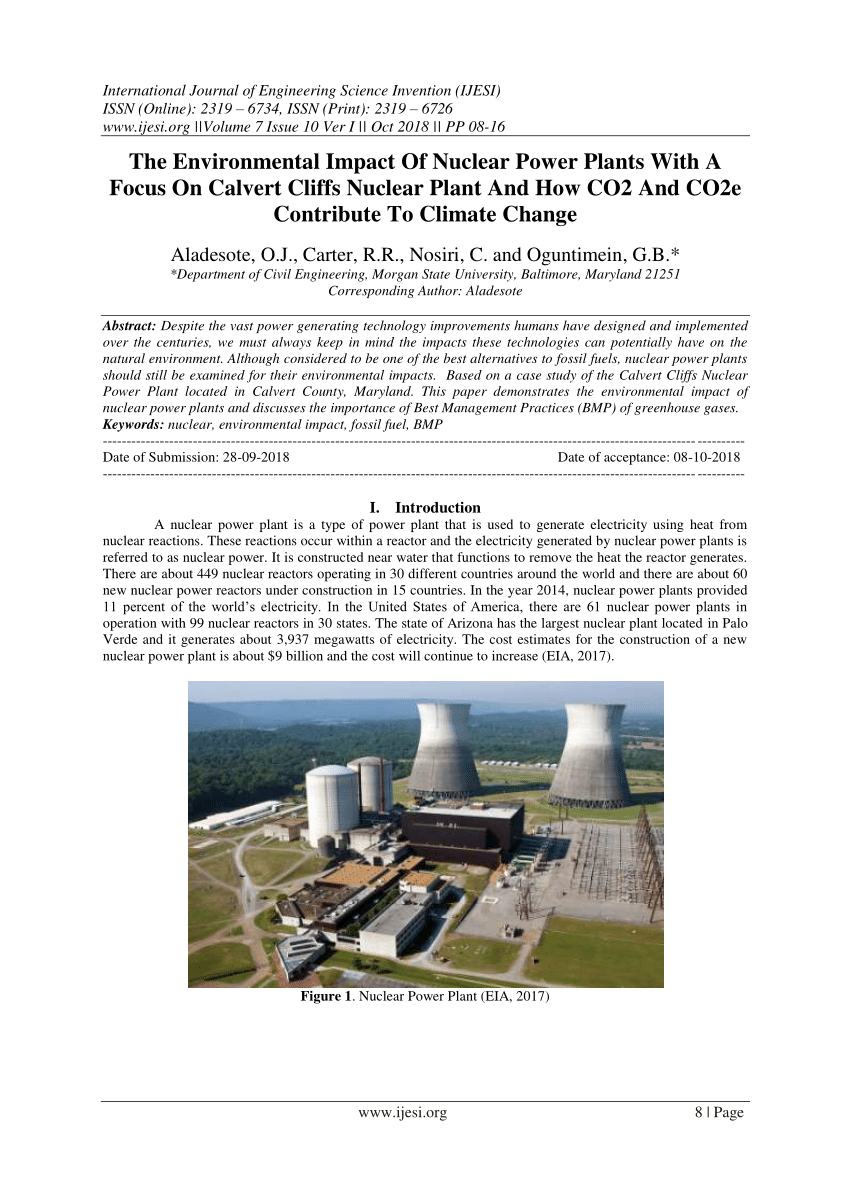
Environmental Effects Of Nuclear Power Plants
Ever wonder where the electricity powering your phone, your lights, and even maybe your electric car comes from? We often hear about solar panels and wind turbines, but there's another player in the energy game that’s worth understanding: nuclear power plants. Thinking about nuclear energy can be a bit daunting – filled with images of towering structures and complex science. But understanding its environmental effects is crucial for making informed decisions about our future energy mix. It's like learning the rules of a game; once you grasp the basics, it becomes much more engaging and relevant to the choices we make as a society.
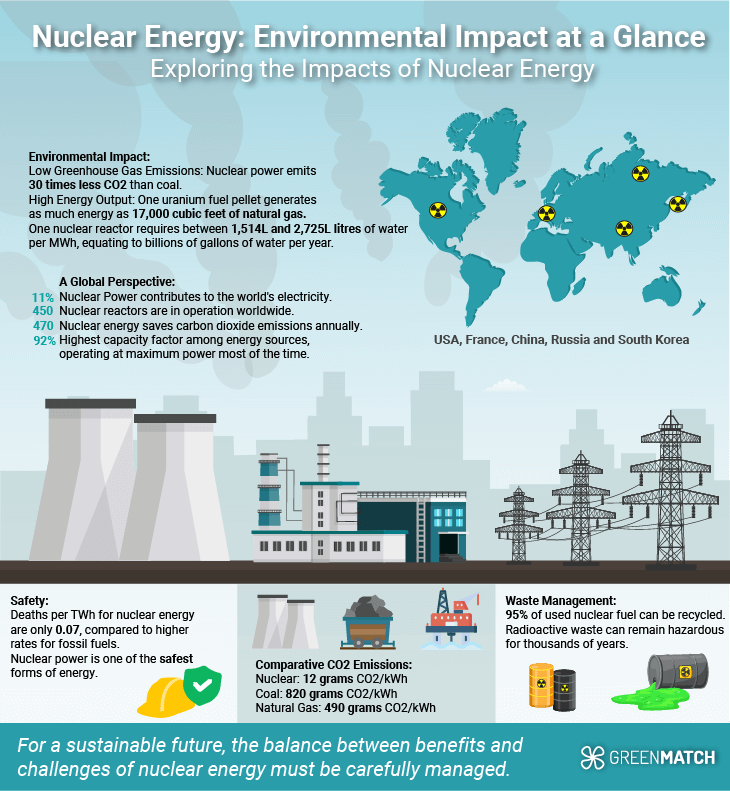
So, what exactly is the purpose of a nuclear power plant? Simply put, it's a facility that uses the heat generated from nuclear fission – the splitting of atoms – to produce steam, which then turns turbines to generate electricity. The primary benefit of nuclear power is its ability to produce a large amount of electricity with relatively little greenhouse gas emissions during operation. This is a significant advantage compared to burning fossil fuels like coal or natural gas, which contribute heavily to climate change. In fact, nuclear power is often cited as a way to provide baseload power, meaning a consistent and reliable source of electricity, regardless of weather conditions or time of day.
You might not realize it, but nuclear science principles pop up in various aspects of daily life and education. For example, nuclear medicine uses radioactive isotopes for diagnosing and treating diseases like cancer. In schools and universities, nuclear physics concepts are taught in science classes, and sophisticated simulations allow students to explore nuclear reactions and processes without needing access to a real reactor. Even the smoke detectors in our homes rely on a tiny amount of a radioactive material to detect smoke particles. Understanding nuclear energy, even at a basic level, can help us better appreciate these applications and technologies.
Must Read
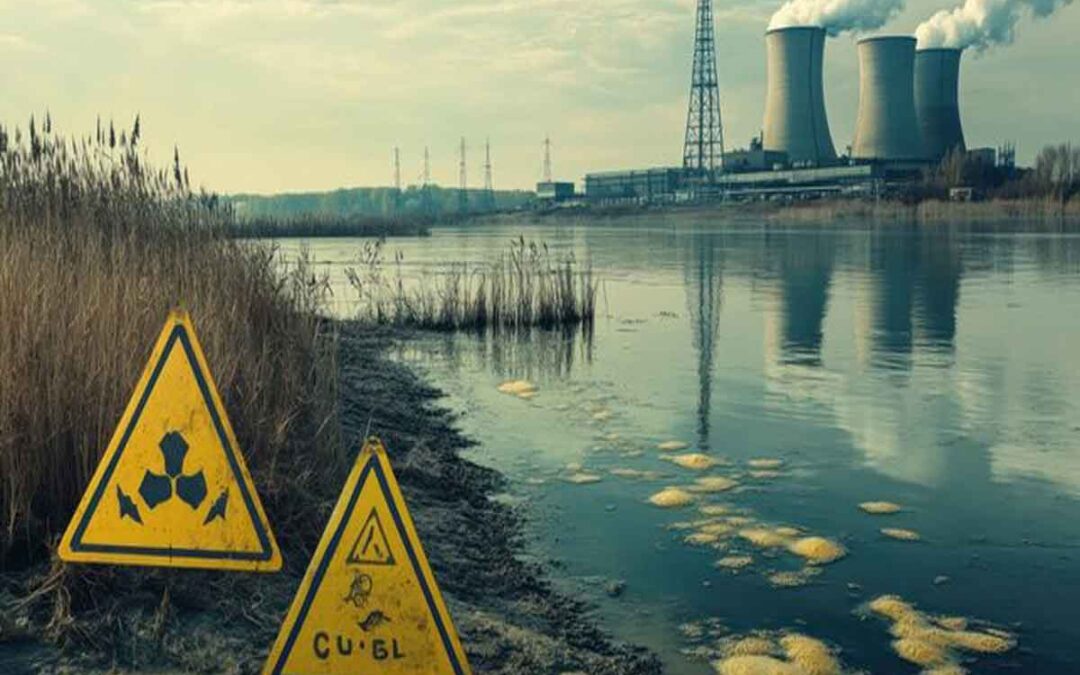
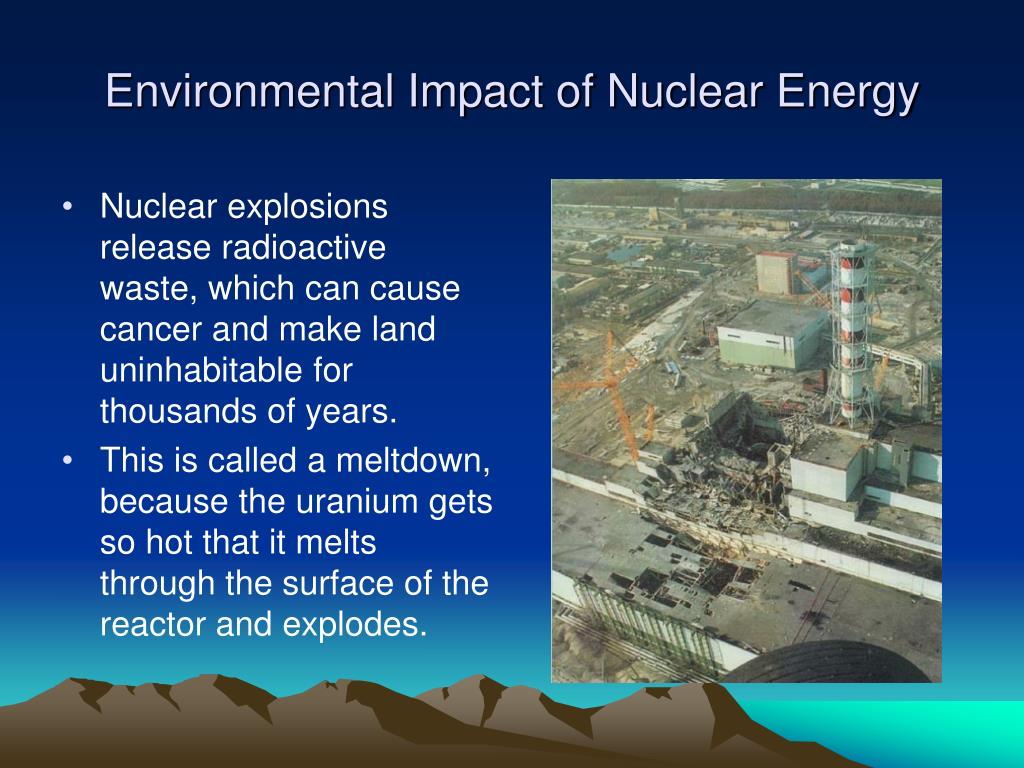
Now, let’s address the environmental effects. During normal operation, nuclear power plants release very little air pollution compared to fossil fuel plants. However, there are environmental concerns to consider. One is the management of nuclear waste, which remains radioactive for a very long time and requires safe and secure long-term storage. Another is the potential for accidents, although modern reactors are designed with multiple safety features to minimize the risk of meltdowns. The mining of uranium, the fuel for nuclear reactors, also has environmental impacts, like any mining activity.
Want to explore this topic further? Here are a few simple steps you can take. Start by researching different types of nuclear reactors and their safety features. Look up information on nuclear waste disposal methods and the current research being done on advanced reactor designs. Many reputable organizations, like the International Atomic Energy Agency (IAEA) and national nuclear regulatory bodies, provide reliable and accessible information. You can also find documentaries and educational videos online that explain the science behind nuclear power and the challenges associated with it. Even a simple internet search for “nuclear energy facts” can be a great starting point. Remember, understanding the pros and cons of all energy sources is vital to creating a more sustainable future. By learning more about nuclear power, you can become a more informed citizen and contribute to the conversation about energy policy.