
Environmental Effects Of Hydrogen Fuel Cells
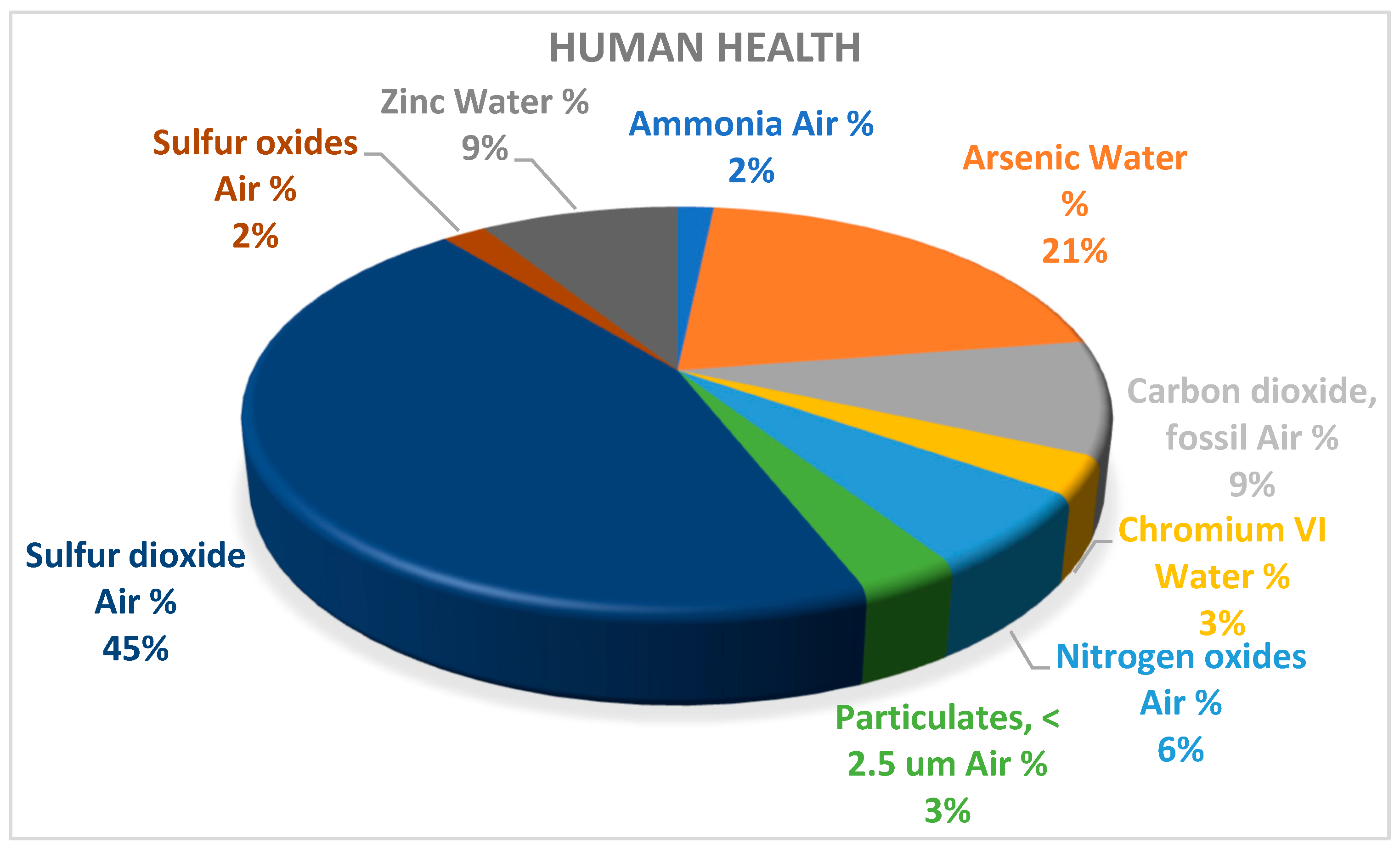
Alright, gather 'round, folks! Let's talk about hydrogen fuel cells. Now, I know what you're thinking: "Hydrogen? Isn't that, like, what they used on the Hindenburg? BOOM!" Relax, we're not going to blow up (probably). But seriously, these things are kind of a big deal, and understanding their environmental impact is pretty crucial. It's not all sunshine and rainbows, but it's definitely brighter than, say, a coal-powered cloud.
The Promise of Zero Emissions (Sort Of)
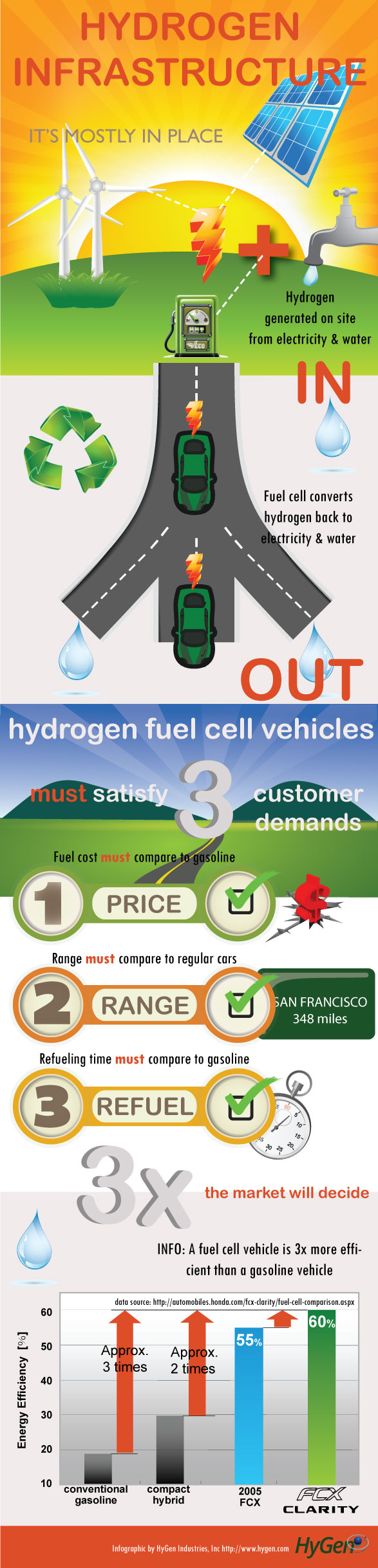
Here's the gist: a hydrogen fuel cell takes hydrogen gas (H2) and oxygen (O2) from the air and, through a nifty electrochemical process, combines them. The result? Electricity, water (H2O), and a little bit of heat. That's it! No nasty greenhouse gasses spewing into the atmosphere. We're talking zero emissions at the tailpipe! Picture that: you're driving your hydrogen-powered car, and instead of choking the planet, you're practically hydrating it. Okay, maybe not hydrating, but you get the picture.
But hold your horses, Captain Planet. It’s not quite that simple. Like that supposedly “healthy” smoothie that’s actually loaded with sugar, there's a bit more to the story.
Must Read
The Hydrogen Production Predicament
The dirty little secret? Where does the hydrogen come from? You can't just, like, mine it from the ground. (If you could, I'd be rich!) Most hydrogen today is produced through a process called steam methane reforming. Sounds exciting, right? Basically, you take natural gas (methane), which is mostly CH4, and react it with steam at high temperatures. You get hydrogen...and a whole lot of carbon dioxide (CO2). Oops. Cue the sad trombone.
This "gray hydrogen," as it's lovingly called, isn't exactly eco-friendly. It's like trying to lose weight by eating a salad topped with a whole jar of mayonnaise. Technically, you ate a salad, but...come on.
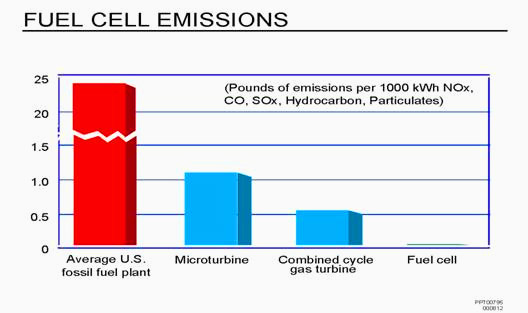
But fear not! There's hope! We're talking about "blue hydrogen" where the CO2 produced during steam methane reforming is captured and stored underground (carbon capture and storage, or CCS). This is definitely better, but still involves burning fossil fuels in the first place. And CCS technology is still, you know, "under development," which is politician-speak for "we're not quite sure if this will actually work."
And then there's the holy grail: "green hydrogen." This is where we use renewable energy, like solar or wind, to power a process called electrolysis. You run electricity through water, and poof! Hydrogen and oxygen! This is the stuff dreams are made of! Zero emissions all the way down! It's like finally finding that healthy smoothie that actually tastes good. The catch? It's currently more expensive than the other methods.
Transportation and Infrastructure Woes
Alright, let's say we've cracked the code and we're swimming in green hydrogen. Great! Now, how do we get it to your car? Hydrogen is a notoriously slippery customer. It's the smallest molecule in the universe, so it likes to leak. A lot. Imagine trying to keep a greased watermelon under your arm while running a marathon. That's kind of like transporting hydrogen.
We need a whole new infrastructure of pipelines and fueling stations. And storing hydrogen? That's another challenge. You can compress it, liquefy it (at ridiculously low temperatures), or even try to bind it to materials. Each method has its own drawbacks and environmental impacts. Leaky pipelines, energy-intensive cooling processes… the plot thickens!
Fuel Cell Manufacturing: The Hidden Footprint
Even the manufacturing of the fuel cells themselves can have an environmental footprint. Some fuel cells use precious metals like platinum as catalysts. Mining platinum? Not exactly a walk in the park for the environment. There are also other materials and manufacturing processes that require energy and resources.
The Bottom Line (and a Bad Pun)
So, are hydrogen fuel cells environmentally friendly? The answer, like most things in life, is it depends. When used with green hydrogen, they hold incredible promise for reducing emissions and combating climate change. They are part of a suite of solutions that includes battery-electric vehicles, improving energy efficiency, and using other renewable energy sources. But we need to be realistic about the challenges and ensure that we're not just shifting the environmental burden from one place to another.
The future of hydrogen fuel cells hinges on developing cost-effective and sustainable ways to produce, transport, and use hydrogen. We need to invest in green hydrogen technology and build the necessary infrastructure. Otherwise, we might just be fueling more problems than we solve. I know, I know, that was terrible. I'll see myself out.
