
Energy Star Rated Portable Air Conditioners

Alright, gather 'round, folks! Let's talk about something near and dear to my sweaty, slightly overheated heart: portable air conditioners. And not just any portable AC unit, oh no, we're diving deep into the wondrous world of Energy Star rated models. Think of this as the air conditioning equivalent of getting a gold star in elementary school… except instead of impressing your mom, you’re impressing your electricity bill (and saving some serious dough!).
Now, I know what you’re thinking: "Portable AC? Isn't that just a fancy, wheeled fan?" Well, kinda. But also, so much more. It's like comparing a tricycle to a motorcycle. Both have wheels and get you moving, but one screams, "I'm having a sensible afternoon!" while the other yells, "I'M FREE (and slightly deaf from the wind)!"
Why Energy Star? Because Money Doesn’t Grow on (Sweaty) Trees!
Let's be honest, nobody likes paying their electricity bill. It's like that relative who shows up uninvited to every holiday dinner. You're glad they're family (sort of), but you secretly wish they'd just, you know, chill. That's where the Energy Star rating comes in. These little badges of honor (or, well, energy efficiency) mean the unit has been rigorously tested and proven to use less energy than your average, non-starry AC. This is a big deal.
Must Read
Think of it this way: buying a non-Energy Star portable AC is like inviting a vampire into your home, except instead of sucking your blood, it sucks your watts. And those watts translate directly into dollars. The Energy Star guys are the garlic, crucifix, and sunlight of the electricity bill world. They keep the vampire at bay.
Surprising fact: Energy Star certified portable air conditioners use, on average, about 8% less energy than standard models. That might not sound like much, but over the lifespan of the unit, that can add up to some serious savings. We're talking enough money to buy yourself a small tropical island... okay, maybe a very, very small tropical island. Or, more realistically, a really nice pizza.
The Hilarious Reality of Installation (and Why You Need to Vent)
Okay, let's be real. Portable AC installation is rarely the smooth, zen-like experience depicted in the instruction manual. Usually, it involves some amount of cursing, duct tape, and a desperate plea to physics. The key thing to remember is the exhaust hose. This is not optional.

I repeat: YOU MUST VENT THE HOT AIR OUTSIDE.
Seriously, don't be that person who just lets the hot air spew back into the room. That's like trying to dry yourself with a wet towel. You're just making the situation worse. You'll end up with a slightly cooler section of the room, while the rest of your house becomes a sauna. And nobody wants that, unless you're actively running a spa, in which case, carry on! (But still, vent it!)
Venting usually involves a window kit, which is basically a plastic panel that fills part of your window and has a hole for the exhaust hose. It’s not the prettiest thing in the world, but it’s a necessary evil. Think of it as a fashion accessory for your window, albeit one designed by engineers with a distinct lack of aesthetic sensibility.
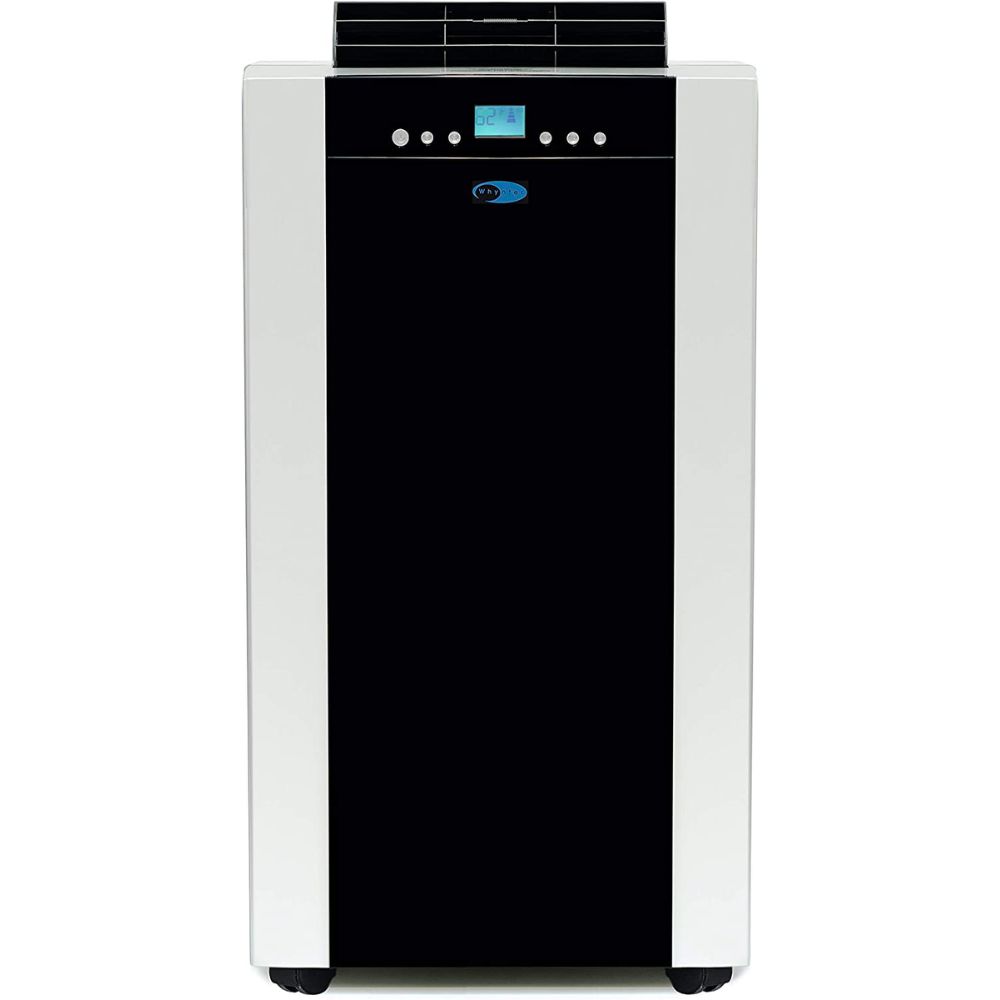
Pro-tip: If your window doesn't quite fit the kit, don't despair! Duct tape is your friend. Just… maybe don't let the interior designer see. And please for the love of all that is holy, make sure the window is properly sealed off otherwise you are literally venting to nowhere.
Size Matters (Especially When It Comes to BTU)
BTU, or British Thermal Unit, is the magic number that tells you how much cooling power your portable AC has. The higher the BTU, the bigger the room it can cool. Don't underestimate this! Getting a unit that's too small is like trying to extinguish a bonfire with a squirt gun. You'll just end up feeling frustrated and slightly damp.
Here's a super rough guide: 8,000 BTU is good for a small bedroom (around 200 square feet). 10,000 BTU is better for a medium-sized room (around 300-400 square feet), and 12,000 BTU is for larger spaces (think living rooms or open-plan areas). But remember to always check the manufacturer's recommendations, and consider factors like ceiling height and how much sun your room gets.

Imagine trying to cool a ballroom with a tiny desk fan. Now picture that fan labeled as 'sufficient' by the manufacturer. That's what you don't want to happen. So, do your research and choose wisely.
The Joy of Remote Control (and Avoiding the Polar Bear Look)
One of the best things about modern portable ACs is the remote control. This little piece of plastic is your gateway to coolness without having to get up from the couch. Which, let's face it, is a major win. You can adjust the temperature, fan speed, and even set a timer from the comfort of your lazy chair.
However, with great remote control power comes great responsibility. Don't get carried away and turn your living room into a meat locker. There's a fine line between "refreshingly cool" and "arctic wasteland." Aim for the former, unless you're trying to attract a polar bear. In which case, you do you.

Also look out for features like programmable timers. They will allow you to keep your electricity bills to a minimum by only running your AC at night or at the times when the room will be occupied.
In Conclusion: Stay Cool, My Friends (and Save Money!)
So, there you have it: a whirlwind tour of the wonderful world of Energy Star rated portable air conditioners. They're energy-efficient, relatively easy to install (with enough duct tape), and they can save you a surprising amount of money. Plus, they'll keep you from melting into a sweaty puddle during those sweltering summer months.
So go forth, my friends, and conquer the heat! And remember: always vent properly, choose the right BTU, and don't go full-on polar bear. Your electricity bill (and your comfort levels) will thank you for it.