
Energy Sources The Pros And Cons

Ever stop to think about where the flick of a light switch really begins? Or how your morning coffee gets brewed? Our modern lives are powered by an incredible, intricate web of energy sources, each with its own story, its own superpowers, and its own Achilles' heel. It's not just about big power plants; it's about how these choices ripple through our daily grind, our planet, and our pockets. Let's peel back the curtain and get savvy about the energy buffet we're all consuming.
The Old Reliables: Fossil Fuels
Ah, fossil fuels – coal, oil, and natural gas. These guys have been the undisputed heavyweights of the energy world for centuries, fueling everything from the Industrial Revolution to your weekend road trip.
The Pros: Their biggest win? Reliability and sheer power density. We've got massive, established infrastructure to extract, transport, and burn them, making them readily available and, historically, quite affordable. They generate a huge amount of electricity consistently, regardless of weather. Think of them as the sturdy, no-frills workhorses.
Must Read
The Cons: Here's where it gets tricky. Burning fossil fuels releases significant amounts of greenhouse gases, like carbon dioxide, contributing to climate change and air pollution. Remember those hazy city skylines? Plus, they're finite resources – once they're gone, they're gone. Extraction can cause environmental damage, and global reliance often sparks geopolitical tensions.
Fun Fact: Petroleum (oil) was originally used as a medicine and a waterproofing agent long before we figured out how to make cars run on it! Talk about an unexpected career path.
Your Takeaway: While we can't snap our fingers and make them disappear, we can be more mindful. Reduce, reuse, recycle applies to energy too! Turning off lights, unplugging chargers, choosing public transport – every little bit conserves the energy generated by these sources.
The Bright Future: Renewable Energy
Enter the superheroes of sustainability: renewables! We're talking solar, wind, hydro, geothermal, and even biomass. These sources harness nature's endless bounty.
The Pros: The headline act? They're clean and virtually inexhaustible. The sun will keep shining, the wind will keep blowing, and rivers will keep flowing. This means significantly fewer greenhouse gas emissions, leading to cleaner air and a healthier planet. Costs are also plummeting, making solar panels and wind turbines more accessible. They promote energy independence – less reliance on politically volatile regions.
The Cons: Renewables aren't without their quirks. Intermittency is the big one: the sun doesn't shine at night, and the wind doesn't always blow. This makes consistent power supply a challenge without robust energy storage solutions (hello, battery tech!). Initial setup costs can still be high, and large-scale projects might require significant land use or impact local ecosystems.
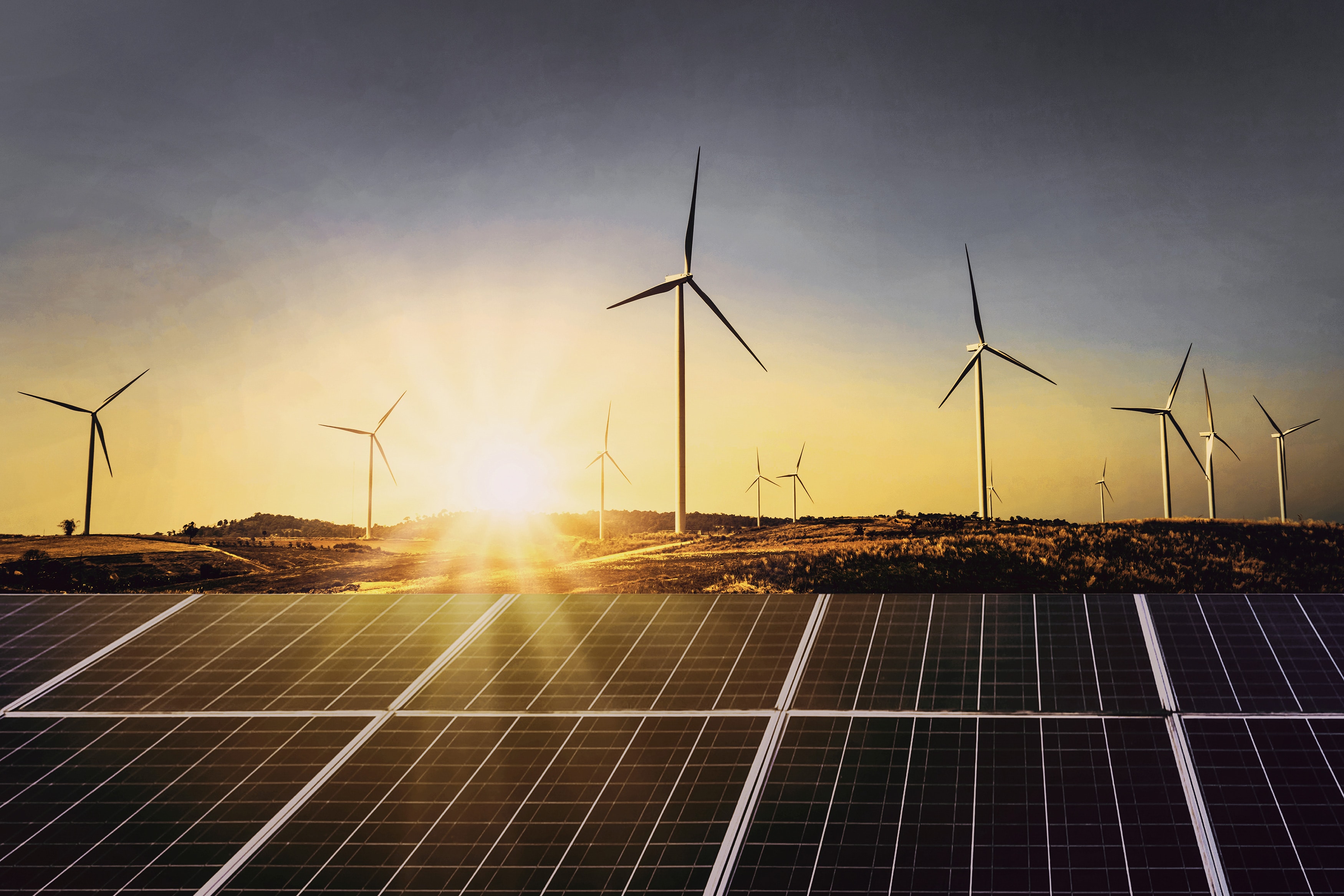
Fun Fact: The first commercial wind turbine for electricity generation was built in the USA in 1888 by Charles F. Brush, powering his entire mansion for 20 years! That's truly ahead of the curve.
Your Takeaway: If you own a home, explore rooftop solar options. Many utility companies offer green energy plans. Advocate for policies that support sustainable infrastructure in your community. Small steps, big impact!
The Powerhouse with a Past: Nuclear Energy
Often debated, rarely ignored, nuclear energy holds a unique position. It harnesses atomic fission to generate electricity.
The Pros: Nuclear power plants produce a tremendous amount of electricity with almost zero greenhouse gas emissions during operation, making them a powerful tool against climate change. They're incredibly reliable and can run for long periods, providing a constant, stable baseline power supply – a stark contrast to intermittent renewables.
The Cons: The primary concerns revolve around safety and waste. While accidents are rare, events like Chernobyl and Fukushima highlight their devastating potential. The radioactive waste produced remains dangerous for thousands of years, requiring complex, expensive long-term storage solutions. Initial building costs are astronomically high, and public perception can be a significant hurdle.
Fun Fact: A single uranium fuel pellet, about the size of an adult's fingertip, holds as much energy as 17,000 cubic feet of natural gas, 1,780 pounds of coal, or 149 gallons of oil! Seriously potent.

Your Takeaway: Understanding nuclear energy means moving beyond headlines. It's complex, highly regulated. Be informed, support rigorous safety standards, and encourage research into advanced nuclear technologies promising safer designs.
The Energy Mix: It's Complicated (But Exciting!)
Ultimately, there's no single "best" energy source. The future lies in a smart, diversified energy mix – often called a "smart grid" – leveraging the strengths of each while mitigating their weaknesses. Think of it like a balanced diet for our planet's power needs. Battery storage, smart grid technology, and even hydrogen fuel cells are all part of this evolving picture.
Every time you charge your phone, boil water, or binge-watch your favorite show, you're tapping into this intricate energy dance. Understanding where that power comes from gives you a unique perspective and a subtle power of your own. By making conscious choices, advocating for sustainable practices, and staying informed, we can all contribute to a brighter, cleaner, and more energized tomorrow. So, next time you flip that switch, remember the incredible journey behind that simple spark!