Energy Sources That Are Still In Development

Ever feel like we're stuck in a bit of an energy rut? We rely on the same sources, hear about the same problems, and sometimes it feels like innovation is... well, a bit slow. But hold on! Behind the scenes, in labs and research facilities around the world, a whole new generation of energy sources is bubbling away. It's fascinating, a little futuristic, and honestly, understanding these developing technologies is like peeking into the potential future of our planet. Why is this interesting? Because energy is the engine of everything. From powering our homes to fueling our transportation, having access to clean, sustainable energy is vital for a healthy planet and a thriving society. So, let's dive into some of the most promising energy sources that are still in development!
One exciting area is fusion energy. Think of it as a miniature star on Earth! Instead of splitting atoms (like in nuclear fission), fusion combines them, releasing incredible amounts of energy in the process. The "fuel" for fusion, isotopes of hydrogen, are abundant in seawater, making it a potentially virtually limitless energy source. The benefit? Zero greenhouse gas emissions and, theoretically, much less radioactive waste than current nuclear power plants. While practical fusion power plants are still years, possibly decades away, the potential impact is enormous. Imagine a world with clean, abundant energy – it would transform everything!
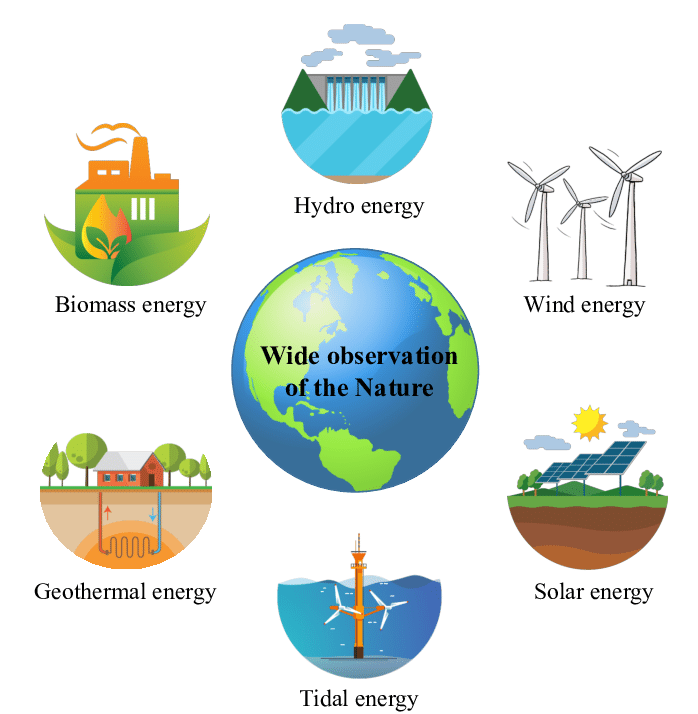
Another intriguing area involves advanced geothermal systems. We all know about geothermal energy tapping into naturally occurring hot springs, but advanced geothermal systems go further. They aim to access the heat trapped deep beneath the Earth's surface, even in areas without obvious volcanic activity. By injecting fluids into these hot, dry rocks, engineers can create artificial geothermal reservoirs and extract the heat. The beauty here is accessibility: geothermal heat exists almost everywhere, regardless of sunlight or wind. It’s a constant and reliable source of power.
Must Read
Then there's the exploration of wave energy converters. The ocean is constantly in motion, and that motion holds immense power. Wave energy converters are designed to capture this energy and convert it into electricity. Different designs exist, some floating on the surface, others submerged underwater, but they all aim to harness the relentless power of the waves. This is especially relevant for coastal communities, offering a sustainable, local energy source. In some schools, students are using simplified wave energy models to learn about energy conversion, designing and testing their own miniature wave energy devices – bringing the concepts to life.
So, how can you explore these exciting developments further? A great starting point is to research reputable scientific journals and websites dedicated to energy research. Many universities and research institutions publish easily accessible information about their projects. You can also find documentaries and online courses that delve into the science behind these technologies. Even simpler, discuss these concepts with friends and family. Awareness and informed conversation are crucial for supporting the development and adoption of these promising energy sources. Consider following organizations dedicated to clean energy solutions on social media to stay informed about the latest breakthroughs. The future of energy is being written now, and we all have a role to play in shaping it. Learning about these technologies is the first step!