
Energy Saving Settings For Thermostat
Alright, gather 'round, folks! Pull up a comfy chair, maybe grab a croissant, because we're about to talk about something that silently siphons money from your wallet and causes more domestic disputes than who left the toilet seat up: your thermostat.
I know, I know. It sits there, usually a bland rectangle on the wall, looking entirely innocent. But that little box holds the power to make your utility bill look like a ransom note from a tiny, very demanding goblin. And for years, I treated it like a sentient being that actively despised me.
My strategy? I’d manually crank it up in winter until my house felt like a sauna, then blast the AC in summer until my breath fogged. The result? Financial trauma and a desperate need for a cardigan in July. There had to be a better way than this constant, frantic temperature tango. And guess what? There is! It involves, wait for it… settings.
Must Read
The Great Thermostat Mystery (Solved!)
Most of us treat our thermostats like a car radio – we just twiddle the knob until it sounds okay. But these days, even the most basic models come with an entire secret life of programmable options. It’s like discovering your quiet neighbour is actually a secret agent. Who knew?
The biggest, most glorious secret? You don't need to keep your home at the exact same temperature 24/7. Your house doesn't get chilly when you leave for work, and it doesn't complain about being a bit warm while you're snoring away under a duvet. Turns out, it's just a building, bless its cotton socks.
Program Your Way to Riches (Okay, Savings!)
Think of programmable thermostats as your home’s personal assistant. It knows when you’re out, when you’re in, and when you’re dreaming of sugar plums. And it adjusts accordingly. No more coming home to an icebox or a swamp because you forgot to touch that rectangular overlord.
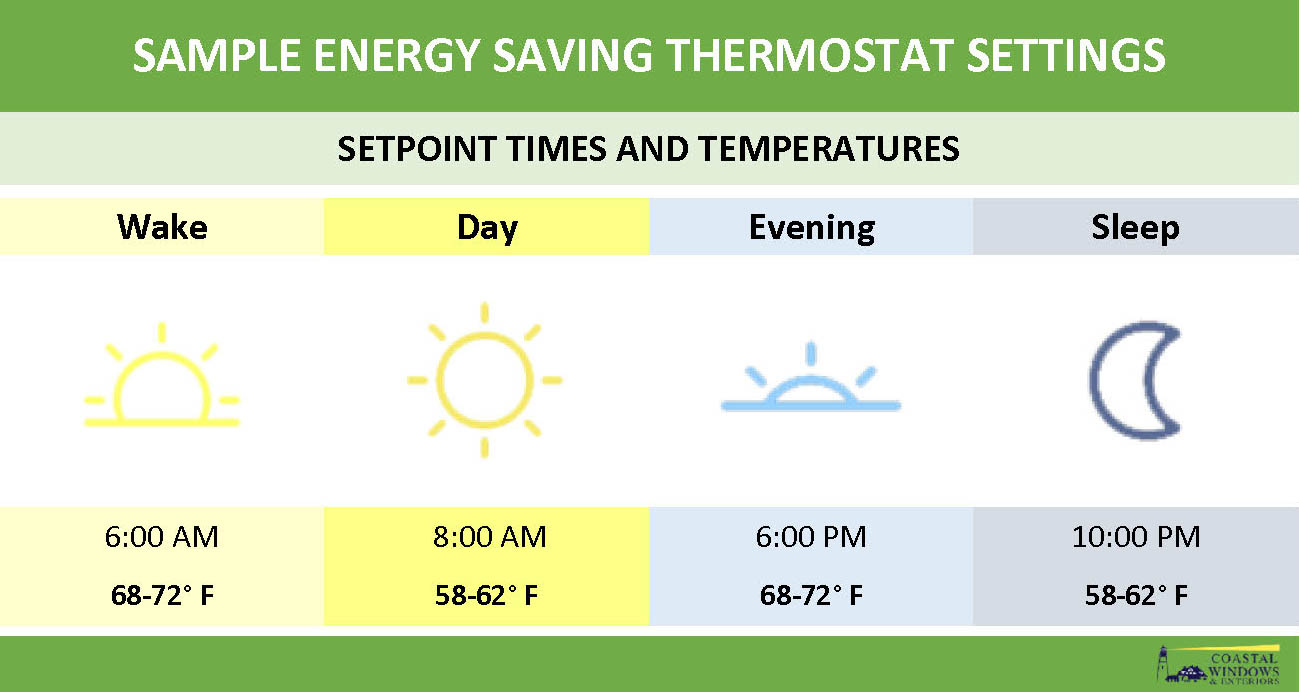
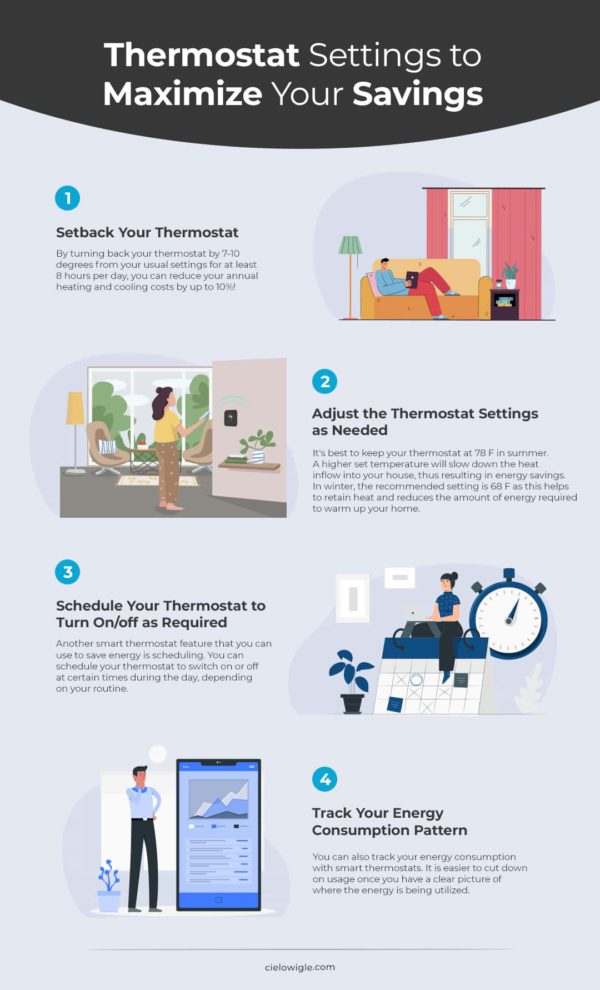
Daytime Drama: When you swan off to work, school, or that highly important coffee shop meeting, your house doesn't need to be kept at a perfectly balmy 72 degrees. Unless you’re running a secret colony of very sensitive houseplants, it’s fine for the temperature to drift a bit. In summer, you can let it warm up by 7-10 degrees. In winter, let it cool down by 7-10 degrees. This isn’t going to turn your pipes into icicles or your furniture into a puddle. It just means your HVAC system isn’t working overtime to heat or cool an empty space. Imagine the sighs of relief from your AC unit!
Nighty-Night Savings: Similarly, when you're tucked in bed, possibly battling a rogue foot that keeps escaping the covers, you don't need your thermostat working quite so hard. Most people actually sleep better in slightly cooler temperatures anyway. So, in winter, try setting it back 7-10 degrees while you're asleep. In summer, you can let it warm up by a few degrees. Your body temperature naturally drops when you sleep, so you won’t even notice the difference – but your wallet certainly will!
Weekend Warrior Settings: Okay, so your weekday schedule is sorted. But what about the glorious chaos of the weekend? Most programmable thermostats let you set a different schedule for weekends. Maybe you're home more, or maybe you're out adventuring. Adjust those settings to match your actual presence. It’s like custom-tailoring a tiny temperature suit for your house!

Smart Thermostats: Your Home's Brainy Buddy
If programmable thermostats are personal assistants, then smart thermostats are the Rhodes Scholars of climate control. These clever little gadgets learn your habits, sense when you’re home (and when you’re not, thanks to geofencing), and can even be controlled from your phone. Stuck in traffic? Fire up the AC so it's perfectly cool when you walk in the door. No more sweating profusely while waiting for the arctic blast to begin!
Some smart thermostats even give you personalized energy reports, showing you exactly where your money is going. It's like having a tiny, non-judgmental financial advisor living on your wall, just for your heating and cooling.
The Sweet Spot: Temperature Tips (Not Strict Rules!)
Now, while comfort is king, there are some generally accepted "sweet spots" for energy efficiency. Remember, these are guidelines, not commandments etched in stone. Your personal comfort always wins, but these can save you a bundle.
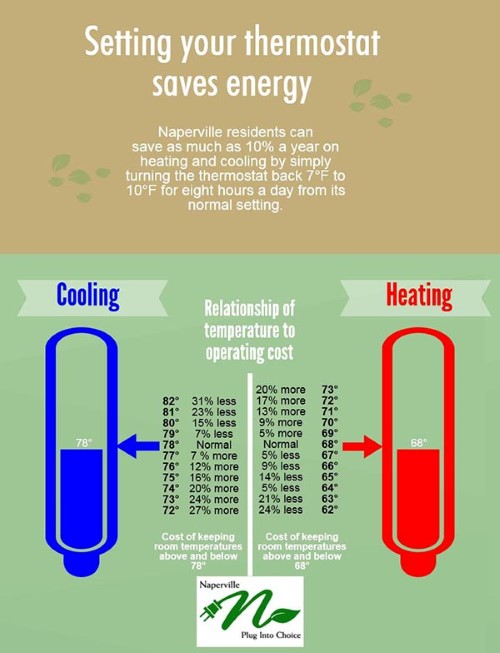
In Summer: When you're home and awake, aim for 78°F (26°C). It might sound a little warm, but pair it with a ceiling fan, and you’ll feel surprisingly comfortable. When you're away or sleeping, bump it up to 85°F (29°C) or even higher.
In Winter: When you're home and awake, try 68°F (20°C). Again, a sweater and socks are your friends here! When you're away or sleeping, set it back to 60-62°F (16-17°C). Your heating system will thank you, and your budget will throw you a ticker-tape parade.
Myth Busters: Thermostat Edition
Let's tackle a couple of whoppers I used to believe:
Myth 1: "Cranking the AC/Heat really high/low will make my house cool/warm up faster." BZZZZZT! Wrong! Your HVAC system works at a fixed speed. Setting it to 50°F won't cool your house faster than 75°F; it just means it'll run longer trying to reach an unnecessarily low temperature. It's like pressing the accelerator harder when you're already going max speed – pointless, and wastes fuel.
Myth 2: "It's cheaper to just leave the thermostat on all the time at a consistent temperature." Nope! Unless you're away for mere minutes, letting your house's temperature drift when it's empty is almost always more energy-efficient. It takes less energy to bring the temperature back to your desired level than it does to maintain it against outside forces 24/7. Think of it like a leaky bucket – it's better to let it drain a little when you're not using it than to constantly refill it against the leak.
So there you have it. Your thermostat isn't a mysterious, malevolent force. It's a tool, ready to be programmed into submission, saving you money, and bringing a peaceful harmony to your home's climate. Go forth, program boldly, and may your energy bills be ever dwindling!