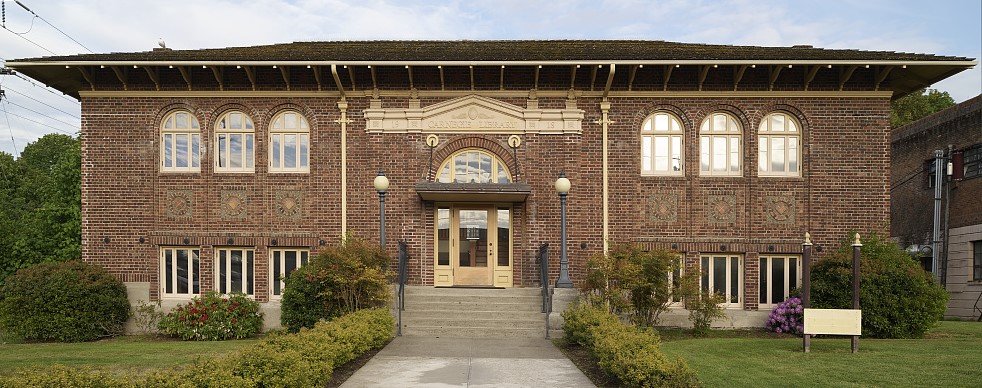
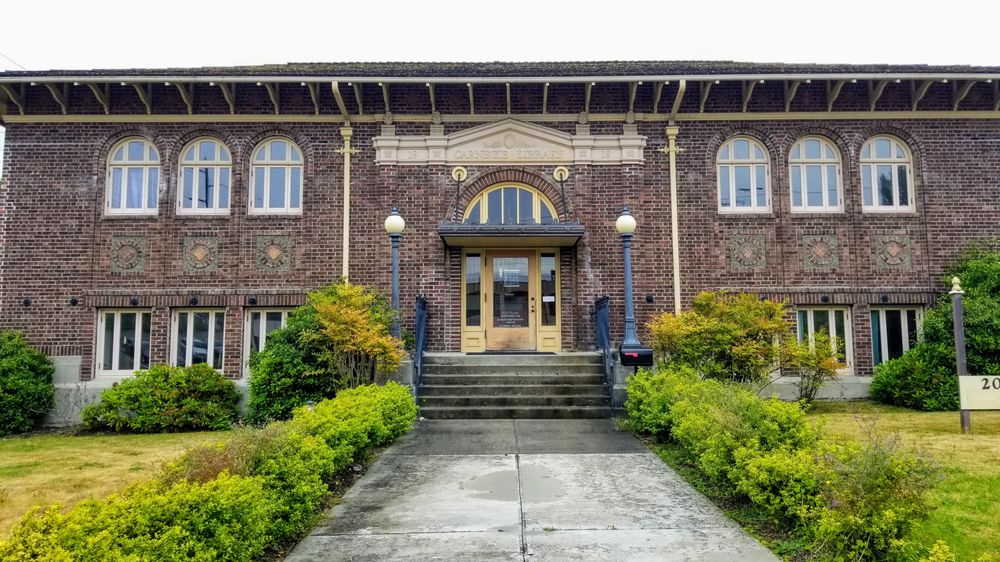
Elwha Klallam Museum At The Carnegie
Ever feel that tug, that yearning to connect with something older, something deeper than your daily routine? That's where museums come in! They're not just dusty repositories of artifacts; they're portals to other times, other cultures, other perspectives. They offer a chance to wander, to wonder, and to learn something new about the world and ourselves. And when a museum shines a light on the history and culture of a specific people, particularly one deeply rooted in a place, the experience becomes all the more powerful.
The Elwha Klallam Museum at the Carnegie, in Port Angeles, Washington, is a prime example of this. It's more than just a collection of objects; it's a vital piece of the Elwha Klallam Tribe's ongoing effort to preserve and share their rich heritage. The museum serves a critical purpose: it educates visitors about the Tribe’s history, traditions, and ongoing connection to the land and the Elwha River. Understanding this history is crucial because it sheds light on the complex relationship between Indigenous peoples and the environment, as well as the challenges they've faced and the resilience they've demonstrated. Learning about the Elwha Klallam helps us appreciate the importance of cultural preservation and the ongoing need for reconciliation and understanding.
You might find examples of traditional basketry, intricately woven with designs that tell stories passed down through generations. Perhaps you'll see tools used for fishing, hunting, or woodworking, each carefully crafted and reflecting a deep understanding of the natural world. The museum likely features exhibits on the Elwha River itself, highlighting its significance to the Tribe's way of life and the monumental undertaking of the Elwha River Restoration Project. This project, the largest dam removal in history, is a testament to the power of collaboration and the importance of ecological restoration.
Must Read
So, how can you make the most of a visit to the Elwha Klallam Museum at the Carnegie? First, go with an open mind and a willingness to learn. Read the exhibit descriptions carefully and take your time to absorb the information. Don’t just glance at the artifacts; try to imagine the hands that created them, the lives they touched. Consider the stories behind each object and how they connect to the larger narrative of the Elwha Klallam people. Secondly, be respectful of the culture and history you're encountering. Remember that these are not just objects on display; they are part of a living culture that continues to thrive. Finally, ask questions! Many museums have staff or volunteers who are knowledgeable about the exhibits and happy to share their insights. Don't be afraid to engage with them and deepen your understanding.
Visiting the Elwha Klallam Museum is more than just a day trip; it's an opportunity to connect with a culture that has shaped the landscape of the Olympic Peninsula for millennia. It's a chance to learn about resilience, adaptation, and the enduring power of tradition. By engaging with this history, we can all become more informed and respectful members of our communities.