
Electricity Costs In $ / Kwh
Ever stop to think about electricity? It's everywhere, isn't it? Zapping our phones to life, lighting up our homes, keeping our food cold, and making our Netflix binges possible. It's like a silent, invisible helper that just does stuff. But here's a thought: have you ever looked at your electricity bill and wondered, "What in the world is a kilowatt-hour, and why am I paying X cents for it?"
Don't worry, we're not diving into complex physics. This isn't a pop quiz! Instead, let's take a chill, curious look at that mysterious little number: electricity cost in $/kWh. It might sound dry, but trust me, it's actually pretty fascinating, and understanding it can make you feel like a savvy energy wizard!
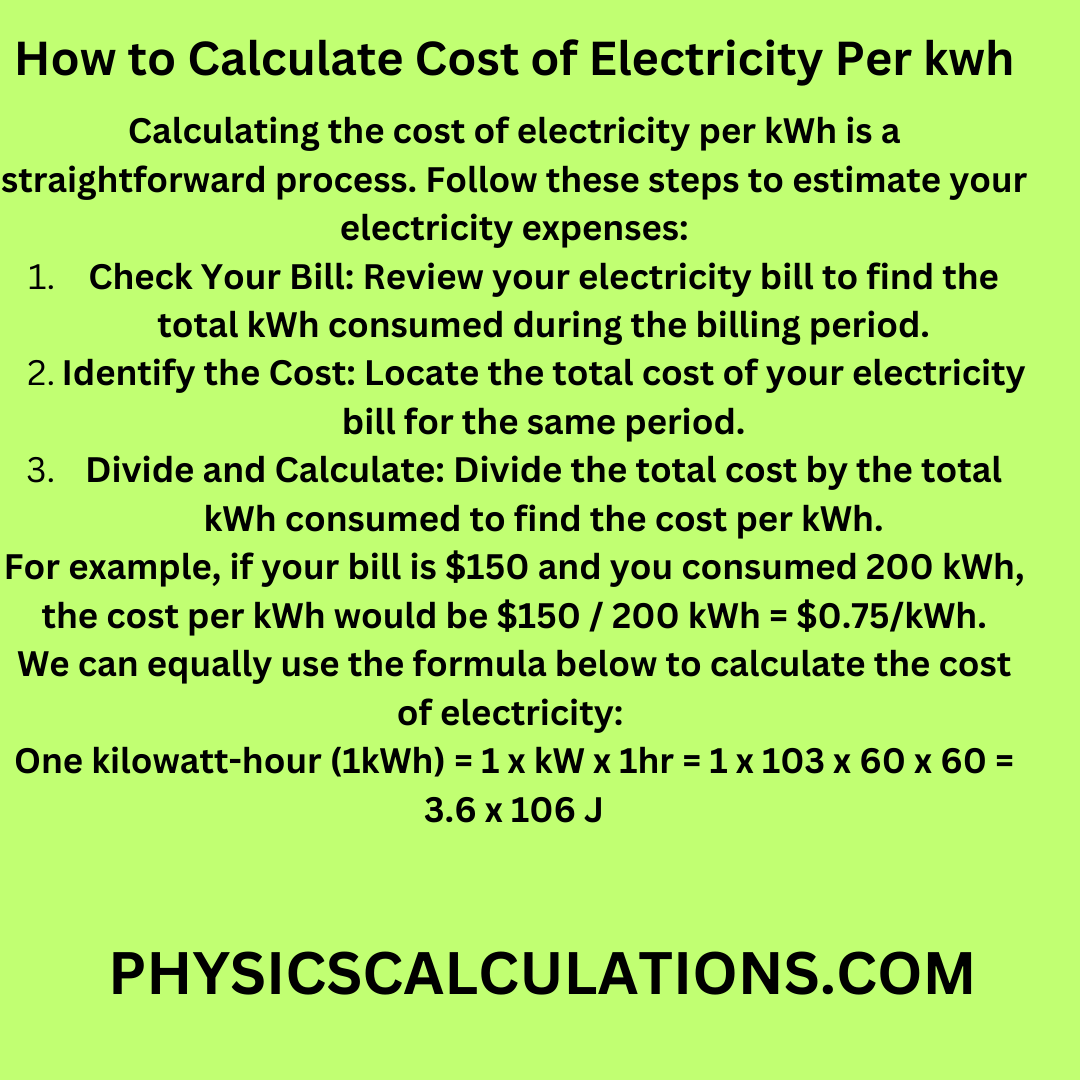
What's a Kilowatt-Hour (kWh), Anyway?
Okay, let's demystify the kWh. Think of it like a unit of measurement for how much electricity you've used. Imagine electricity flowing like water through a pipe. A kWh isn't about how fast the water is flowing (that's power, measured in kilowatts, but let's not get bogged down). Instead, a kWh is about the total volume of water that has flowed over a certain period.
Must Read
Here’s a fun way to picture it: If you leave a 100-watt light bulb on for 10 hours, you've used 1,000 watt-hours, which is the same as 1 kilowatt-hour (1 kWh). Or, if you run a really powerful appliance, like a 1,000-watt (1-kilowatt) microwave, for one hour, that's also 1 kWh. It's basically your utility company saying, "Hey, you've used this much energy. Now, let's see what that costs."
The Price Tag: $/kWh
So, if a kWh is a "bucket" of electricity, then your $/kWh rate is simply the price of that bucket. It's the number that tells you how much you're paying for each unit of energy your home consumes. This number is usually in cents, like 15 cents/kWh, but it's often expressed as $0.15/kWh on your bill.
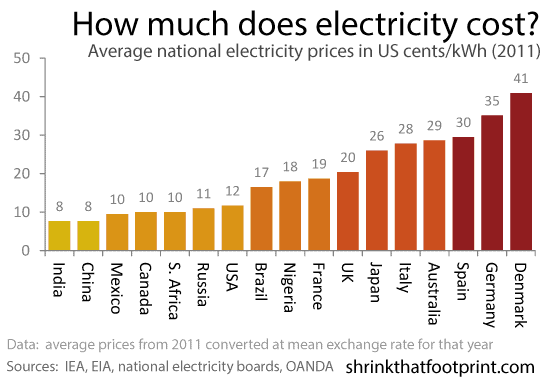
And here's where it gets interesting: that number is not the same everywhere! It's like buying a cup of coffee. A latte might cost one price at your local cafe, another at an airport, and a completely different price in a different country. Your electricity's $/kWh works similarly.
Why Does It Vary So Much? (The Fun Part!)
This is where the detective work begins! The cost of a kWh can swing quite a bit depending on several super cool factors:
-
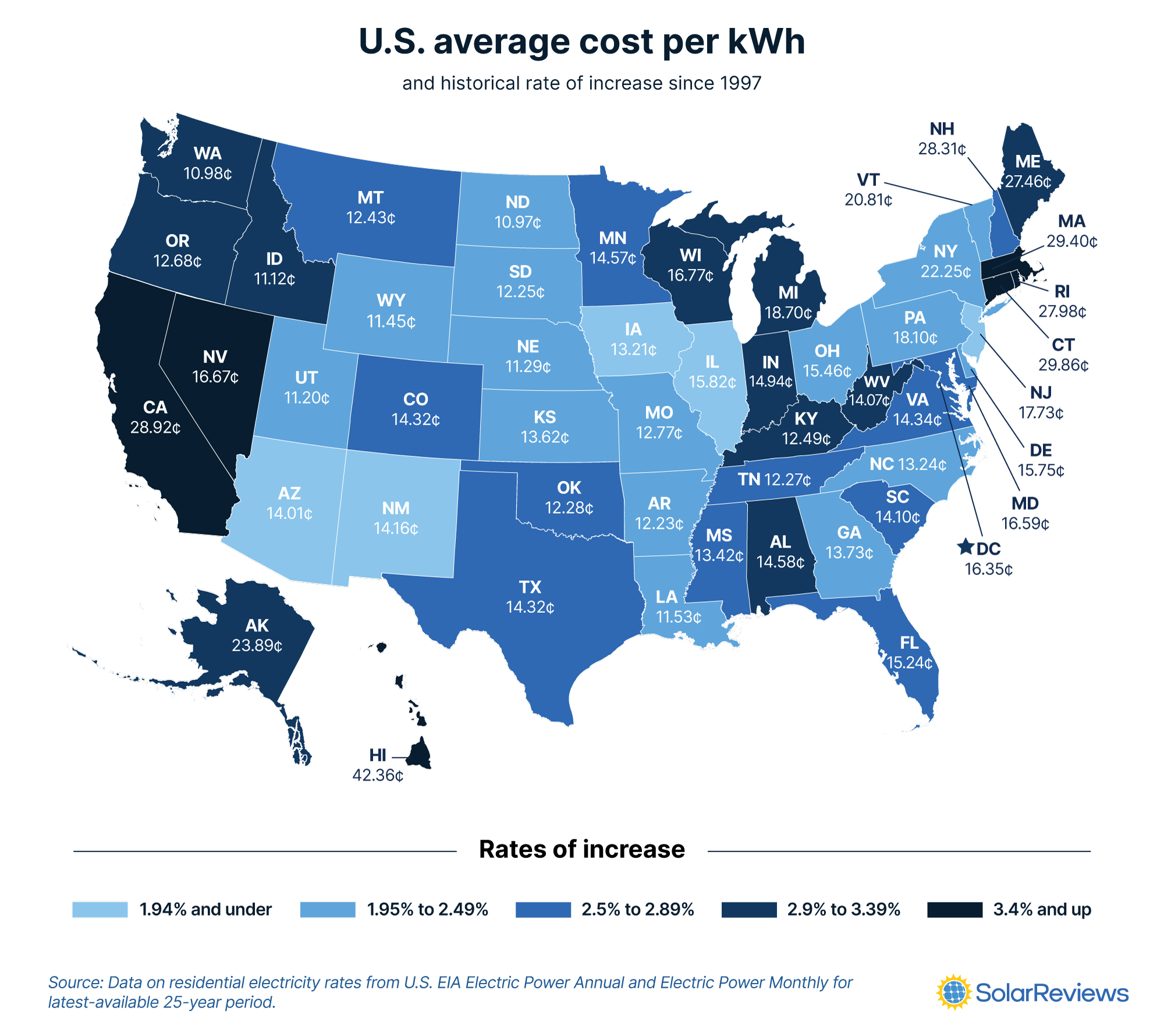
Where You Live: Just like real estate, location is a huge player. Some states or countries have much cheaper electricity than others. Why? It often comes down to how they generate their power. If they have abundant, cheap natural gas or lots of hydropower, prices tend to be lower. If they rely on more expensive fuels or have to import energy, prices climb.
-
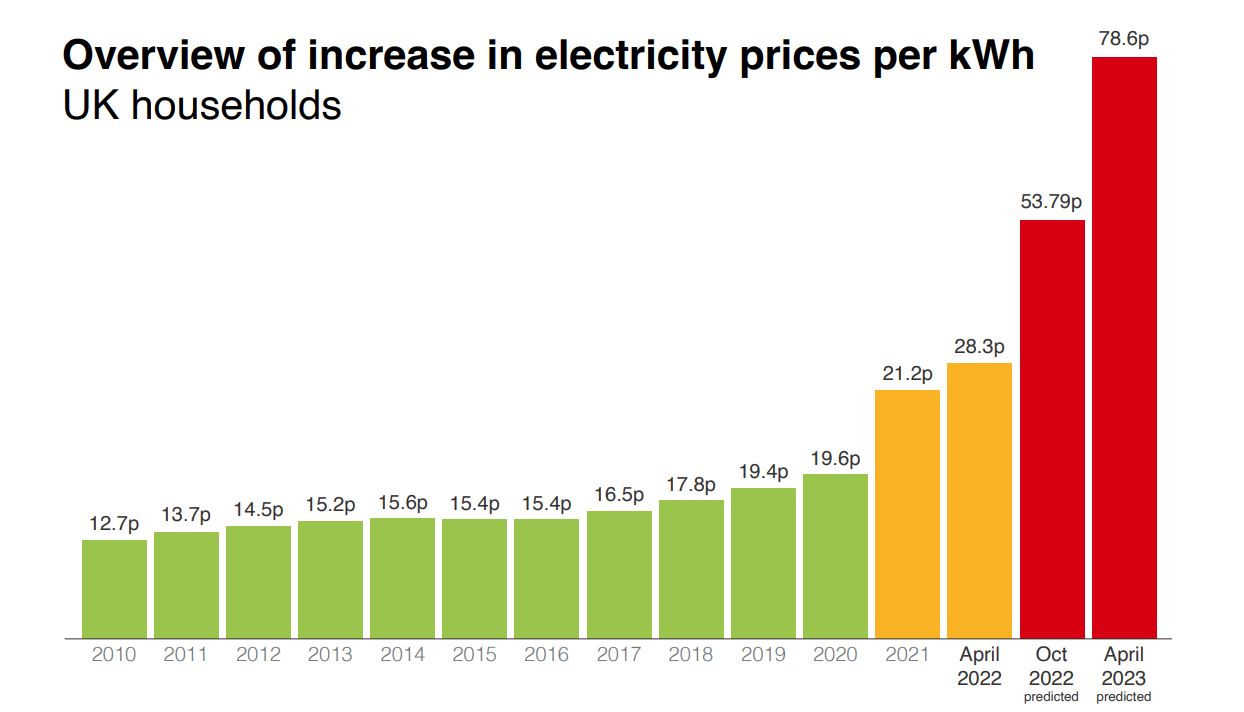
The Energy Mix: Is your electricity coming from glistening solar panels, towering wind turbines, rumbling natural gas plants, or humming nuclear reactors? The mix of energy sources a region uses to generate power has a huge impact on the final cost. Renewables, while sometimes having higher upfront costs, can offer stable, long-term pricing, while fossil fuel costs can fluctuate wildly with global markets.
Our Guide To Solar Energy As The Electricity Prices Increase - Green -
Time of Day: Ever heard of "peak hours"? Some utility companies charge different rates depending on when you use electricity. Using power during weekday evenings (when everyone is home, cooking, watching TV, and running AC) is usually more expensive than, say, 3 AM. It’s their way of encouraging you to spread out your energy usage and reduce strain on the grid. Think of it like happy hour for your washing machine!
-
Infrastructure and Transmission: Getting electricity from where it’s generated to your outlet isn't free! The cost of building and maintaining power lines, substations, and all that complex grid infrastructure is baked into your $/kWh. So, if you live somewhere very remote, that last mile of power line might add a bit to your bill.
-
Taxes and Fees: Yep, like most things, there are often taxes and various regulatory fees tacked on. These help fund things like energy efficiency programs or environmental initiatives.
How Much Electricity Prices Increase Per Year In The U.S.
Isn't that wild? It's not just a flat number; it's a reflection of geography, technology, economics, and even daily habits!
Why Bother Caring? (Beyond Just Your Bill!)
Understanding your $/kWh isn't just about figuring out your bill (though that's a nice perk!). It's about a few bigger, cooler things:
-
Empowerment: When you know the price of a kWh, you can make smarter decisions. Does that old, energy-guzzling fridge really need to be plugged in? Is it worth running the dishwasher at night instead of right after dinner? You become a conscious consumer, not just a passive user.
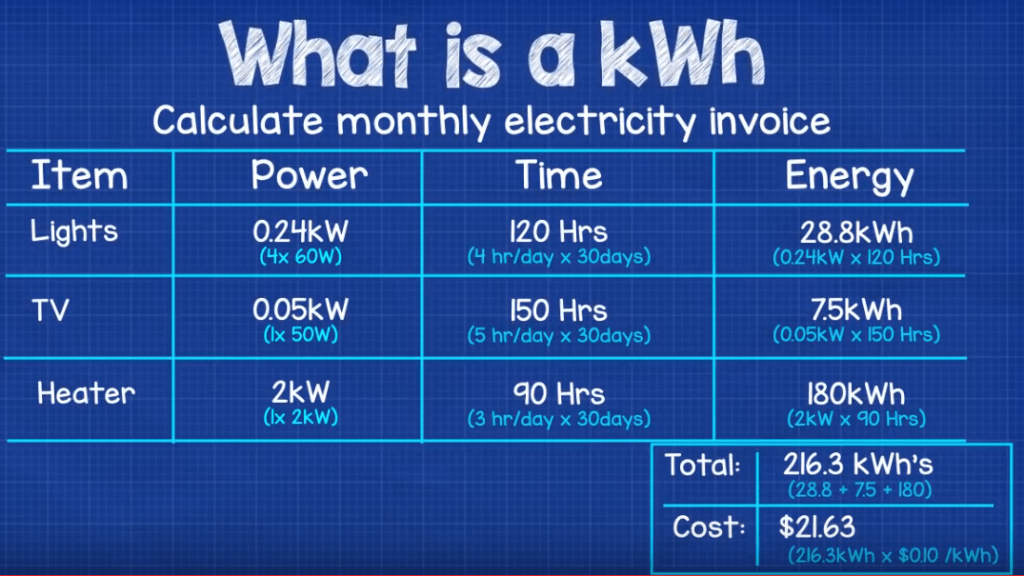
Kilowatt Hours kWh Explained - The Engineering Mindset -
Environmental Impact: Regions with a higher $/kWh might be investing more in clean, sustainable energy sources. By understanding this, you can appreciate the efforts (and costs) involved in moving towards a greener future. And by being efficient, you reduce the demand on any type of power plant.
-
Innovation: The varying $/kWh around the world drives innovation! Companies are constantly trying to find cheaper, more efficient, and cleaner ways to produce and deliver electricity. It’s a dynamic, ever-changing field, and your bill is a tiny reflection of that massive global effort.
Becoming an Energy-Savvy Explorer
So, what's the takeaway? Don't just gloss over that $/kWh on your next bill. Take a moment to peek at it! See how it compares to friends in different towns or states (a quick Google search can tell you average rates).
Knowing this number is like having a secret key to understanding a huge part of your modern life. It empowers you to make choices that aren't just good for your wallet, but potentially for the planet too. Who knew a tiny number on an electricity bill could be so interesting, right? Go forth, fellow energy explorer, and marvel at the magic and mystery of electricity!