
Electric Water Heater Vs Gas Water Heater Cost
Let's talk water heaters. The unsung heroes of hot showers and clean dishes. We're diving headfirst into the battle of electric vs. gas. And, spoiler alert, I might have a slightly...controversial opinion.
We're talking about cost. Pure, hard cash. What's going to leave your wallet singing the blues? Or maybe humming a happy little tune?
The Initial Investment: Round One
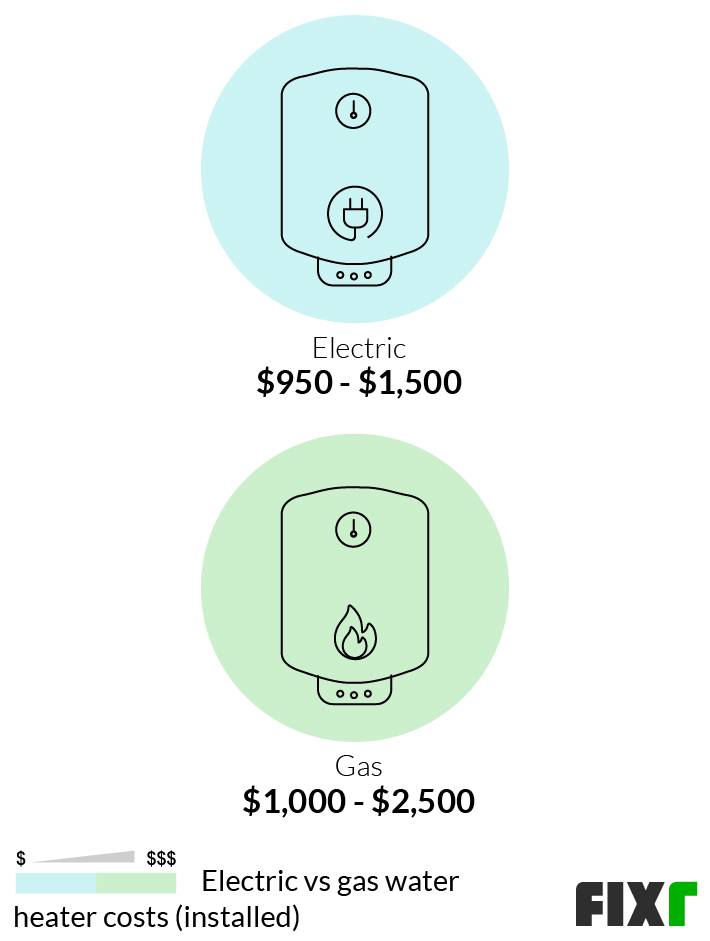
Okay, upfront cost. Gas water heaters often seem to win this round. They can be pricier to buy than their electric cousins. But hold your horses (or hot water hoses!).
Must Read
Installation can be a sneaky cost factor. Think about gas lines. Do you have one already? If not, cha-ching! That's an extra expense.
Electric heaters? Often easier to install, especially if you're replacing an old one. Just plug and play (mostly!).
Running Costs: The Long Game
Here's where the real drama begins. This is where we separate the hot water heroes from the lukewarm losers. Prepare for some number crunching (kind of).
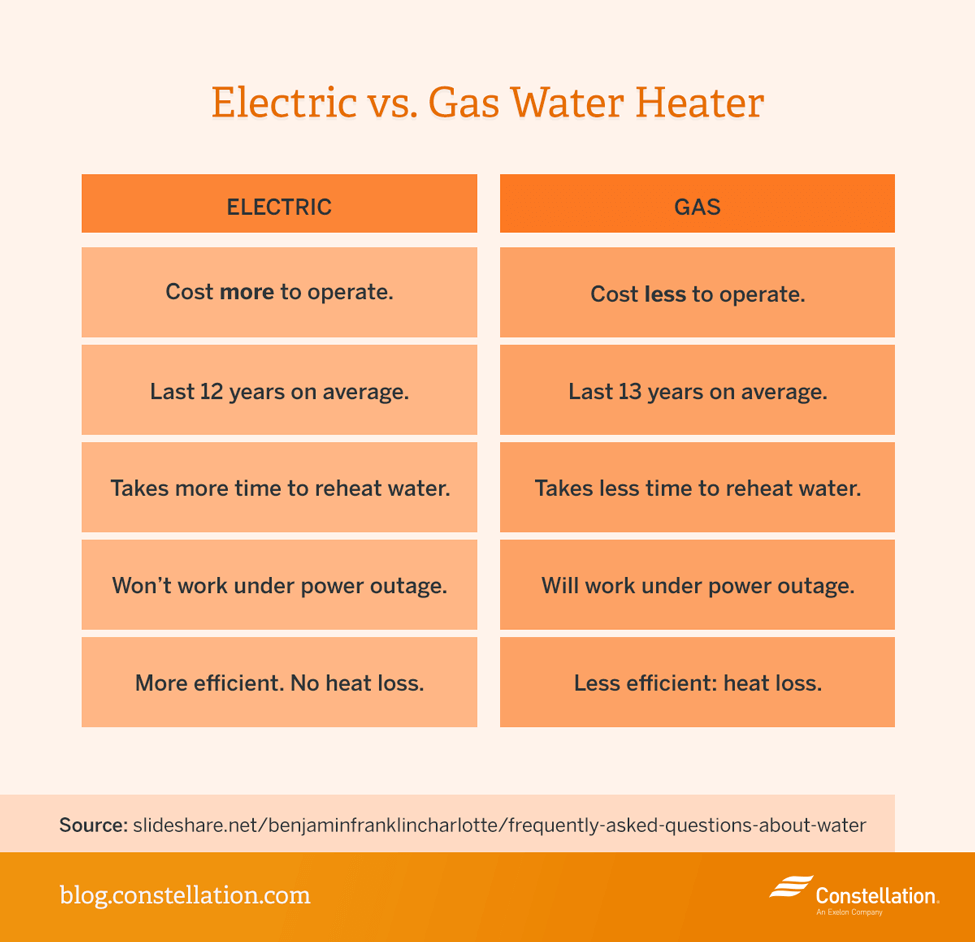
Gas is often cheaper per unit of energy (like therms). But efficiency matters. A super-efficient electric heat pump water heater can throw a wrench into that assumption.
Electric water heaters? They are generally considered less efficient. But technology changes, friends! Those heat pump models are no joke.
Electric Advantages: The Unsung Hero?
Let's talk about those heat pump water heaters. They're like magic boxes that steal heat from the air (or ground) to heat your water. Pretty neat, right?
They use way less electricity than traditional electric models. Which can lead to some serious savings over time. Think of all the avocado toast you could buy!
Plus, many utility companies offer rebates for energy-efficient appliances. Hello, instant discount!

Maintenance is usually simpler with electric. Fewer moving parts mean fewer things to break. Less worry, more hot showers. Sounds good, right?
Gas Guzzlers: Potential Pitfalls
Gas water heaters? They do have some potential drawbacks. Ventilation is crucial. You need to make sure those fumes are going where they should (outside!).
Carbon monoxide is a serious concern. Make sure you have a working detector. Safety first, always!
Then there's the potential for leaks. Gas leaks are no laughing matter. Regular maintenance is key to prevent any unwanted surprises.
Pilot lights can be a pain. Especially when they decide to go out on a cold winter night. Brrr!
My (Possibly Unpopular) Opinion
Okay, here it comes. I'm going to say it. I think electric water heaters, especially heat pump models, are often the better long-term choice. Gasp!
Yes, gas might seem cheaper at first glance. But those hidden costs can add up quickly. Installation, maintenance, potential repairs... it's a slippery slope.
Plus, the grid is getting greener all the time. Using electricity is becoming more environmentally friendly. We all want to save the planet while enjoying hot showers.
Heat pump water heaters are super efficient. They can slash your energy bills. Who doesn't love saving money?
And let's be honest, electricity is convenient. No need to worry about gas lines or pilot lights. Just flip a switch and enjoy.
Location, Location, Location
Okay, it's not all about my opinion. Where you live matters. Climate plays a big role in which type of heater is most efficient.
In warmer climates, heat pump water heaters thrive. They can easily pull heat from the air. Happy days!
In colder climates, they might not be quite as efficient. But they can still save you money compared to traditional electric models.
Consider your local energy prices. Electricity and gas costs vary widely depending on your location. Do some research to see which one is cheaper in your area.
Also, think about your home's infrastructure. Do you already have gas lines? Or are you starting from scratch?
The Environmental Factor
Let's not forget about the environment! Gas is a fossil fuel. Burning it releases greenhouse gases. Not ideal.

Electricity can be generated from renewable sources. Solar, wind, hydro... the possibilities are endless. Choosing electric can be a more sustainable option.
Consider the long-term impact of your decision. Future generations will thank you (probably).
Tank vs. Tankless: Another Twist
We've been focusing on traditional tank water heaters. But there's another option: tankless (or on-demand) water heaters.
Tankless heaters heat water only when you need it. No more wasted energy keeping a tank full of hot water all day long. Sounds efficient, right?
Both gas and electric tankless heaters are available. They tend to be more expensive upfront. But they can save you money in the long run.
Tankless gas heaters require powerful ventilation. Installation can be tricky. Electric tankless heaters need a lot of electricity. Make sure your electrical panel can handle the load!
Making the Right Choice for You
Ultimately, the best choice depends on your individual needs and circumstances. There's no one-size-fits-all answer.
Consider your budget, your location, your energy usage, and your environmental concerns. Do your research and talk to a professional.
Don't just take my (possibly biased) word for it! Get multiple quotes and compare the pros and cons of each option.
Think about your long-term goals. Are you planning to stay in your home for many years? Or are you thinking of moving soon?
The Verdict: It's Complicated
So, what's the final answer? Which is cheaper, electric or gas? It's complicated! I know, not the definitive answer you were hoping for.
But hopefully, this article has given you some food for thought. And maybe even made you chuckle a few times.
Remember, knowledge is power. The more you know, the better equipped you'll be to make the right decision for your home and your wallet.
And hey, whatever you choose, enjoy those hot showers! You deserve it.
Just promise me you'll at least consider a heat pump water heater. Okay?
Now, if you excuse me, I'm going to go take a long, hot, and energy-efficient shower.