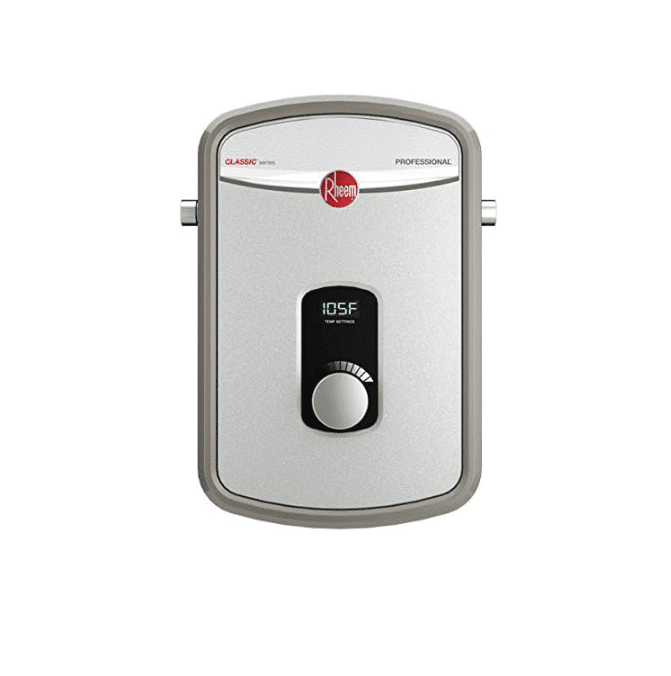
Electric Water Heater For 3 Bedroom 2 Bath House
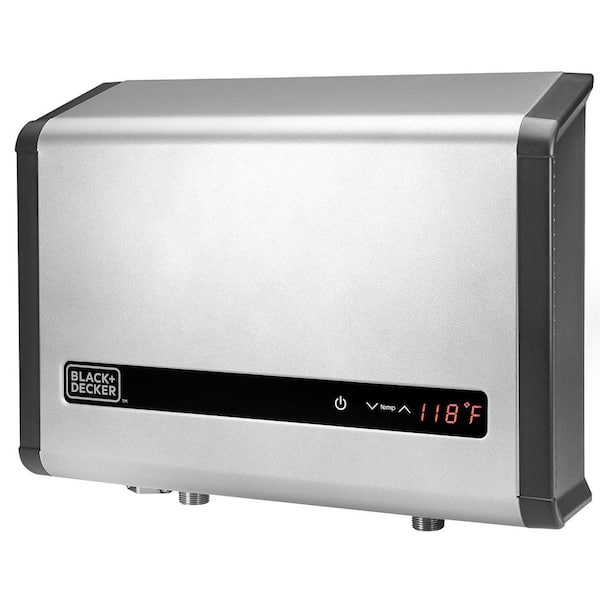
Ever taken a shower that starts out all luxurious and spa-like, only to turn into an icy plunge worthy of a polar bear club initiation halfway through? Yeah, we've all been there. And usually, the culprit is that ever-humble, often-forgotten hero (or villain!) lurking in your basement or utility closet: your water heater.
Now, if you've got a 3-bedroom, 2-bathroom house, figuring out the right water heater feels a bit like Goldilocks trying to find the perfect porridge. Too small, and you're shivering mid-shampoo. Too big, and you're basically heating a swimming pool's worth of water that nobody's using (goodbye, money!).
Sizing It Up: Not Just a Numbers Game
So, how do you nail the "just right" scenario? Let's talk electric water heaters, specifically. They're the workhorses of many homes, reliable and generally easy to install. But size matters. And by size, we mean tank capacity. Think of it like this: you don't need a monster truck to drive to the grocery store, and you don't need a tiny scooter to haul all your furniture. The same principle applies here.
Must Read
For a 3-bedroom, 2-bathroom house, you're generally looking at a 50-gallon to 80-gallon electric water heater. That's the sweet spot for most families. But, hold on, before you go clicking "add to cart," there are a few more things to consider. It's not just about the number of bedrooms and bathrooms. It's about how you use them.
Do you have teenagers who treat showers like all-day spa sessions? Are you the kind of family that runs the dishwasher and washing machine simultaneously while someone's taking a bath? These things matter! Imagine trying to fill a swimming pool with a garden hose – frustrating, right? Same deal with your water heater. If you consistently run out of hot water, you need a bigger tank.
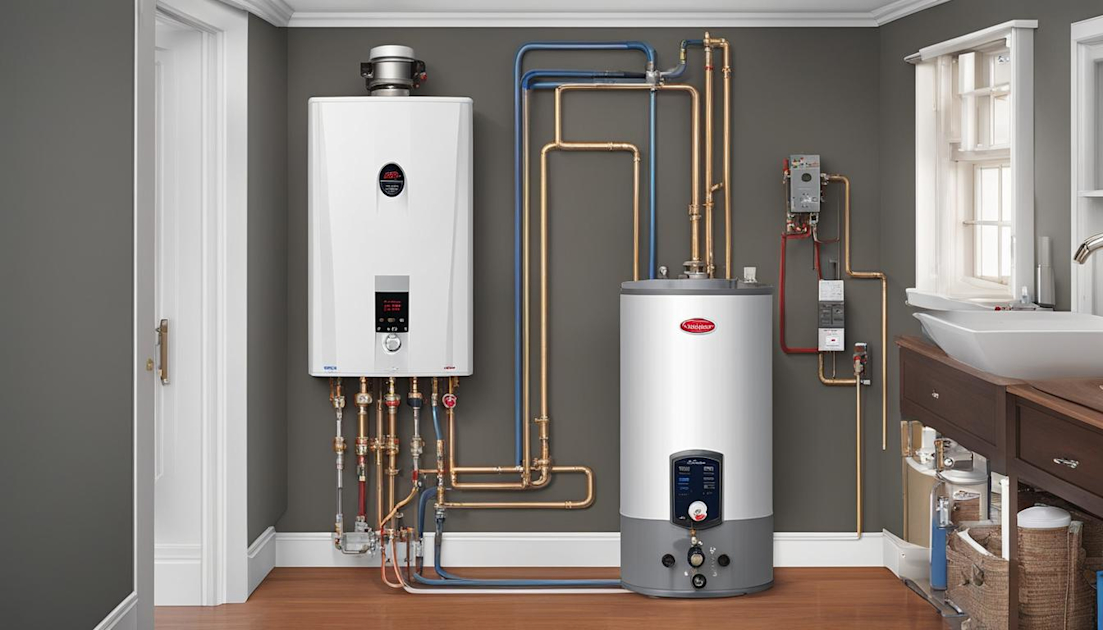
Peak Hour Power: The Busiest Time of Day
Think about your household's peak hot water usage. Is it first thing in the morning when everyone's getting ready for school and work? Or is it in the evening after dinner? Identify that peak time, and then imagine everyone needing a hot shower, the dishwasher needing hot water, and maybe even the washing machine chiming in. That's a heavy load!
A good rule of thumb? Err on the side of slightly larger. A 65-gallon or 75-gallon tank might be a better choice than a 50-gallon, especially if you have a larger family or high hot water demands. It's better to have a little extra hot water on standby than to constantly be waiting for the tank to reheat.
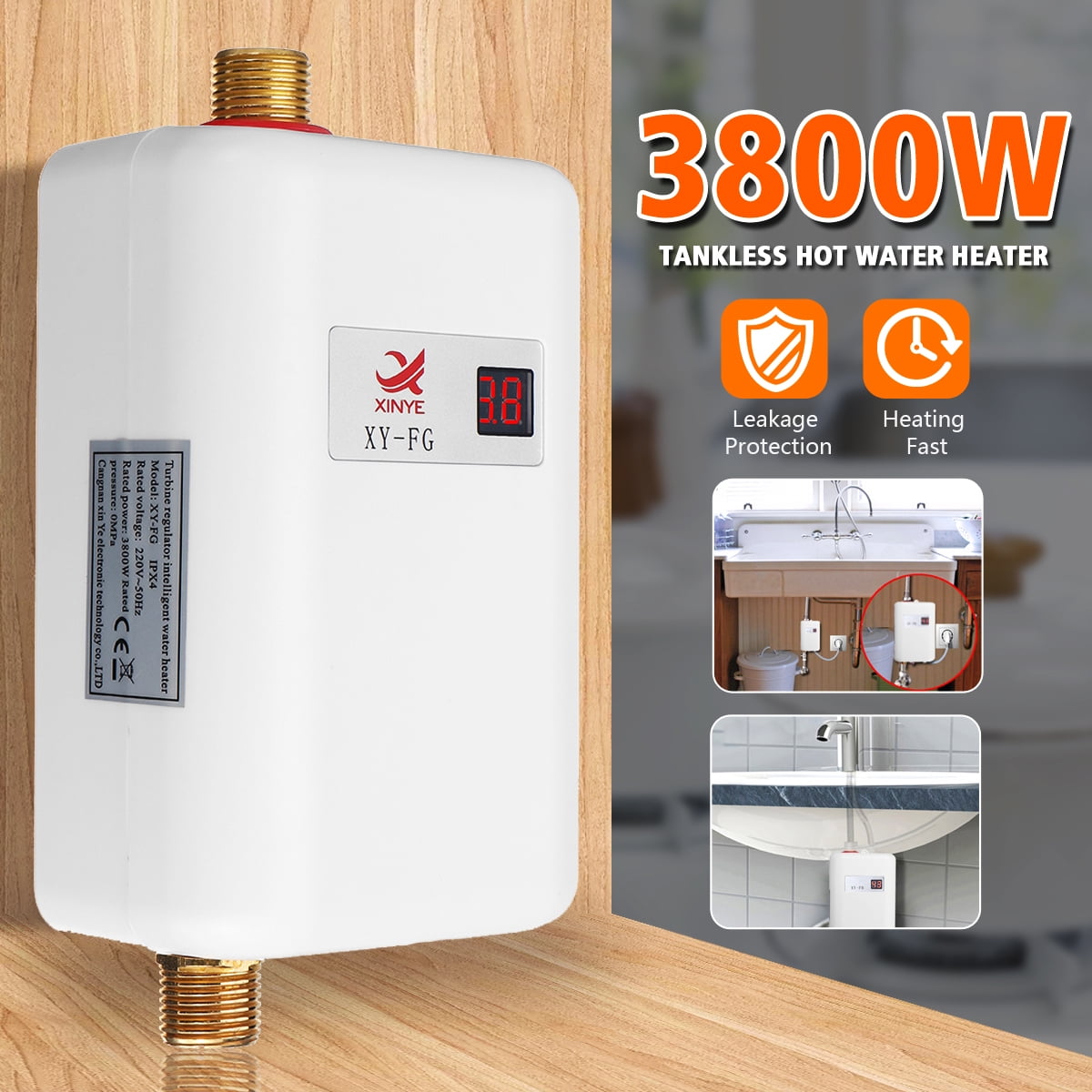
Factors Beyond the Tank: Things That Can Affect Your Hot Water Supply
Okay, so you've figured out your tank size. Awesome! But there are a few other sneaky things that can impact your hot water happiness.
- Showerhead Flow Rate: Those fancy rainfall showerheads? They're lovely, but they can guzzle hot water like it's going out of style. Low-flow showerheads are your friend.
- Pipe Insulation: Insulating your hot water pipes helps prevent heat loss as the water travels from the heater to your faucets. Think of it like wearing a jacket on a cold day – it keeps the warmth in.
- Water Heater Age: Older water heaters lose efficiency over time. If your water heater is a decade old (or older!), it might be time for a replacement. They don't get better with age, just grumpier and less efficient.
The Bottom Line: Don't Be Afraid to Ask!
Choosing the right electric water heater for your 3-bedroom, 2-bathroom house is a bit of an art and a science. When in doubt, talk to a professional plumber. They can assess your specific needs and recommend the best size and type of water heater for your home and lifestyle. They can also let you know if a tankless water heater may be a better long-term alternative.
Think of it as an investment in future hot showers! And trust me, a consistently hot shower is a beautiful thing. It can turn a bad day into a good one, and a good day into a great one. So, do your research, consider your needs, and get ready to enjoy years of hot water bliss.