
Electric Vs Gas Washer And Dryer
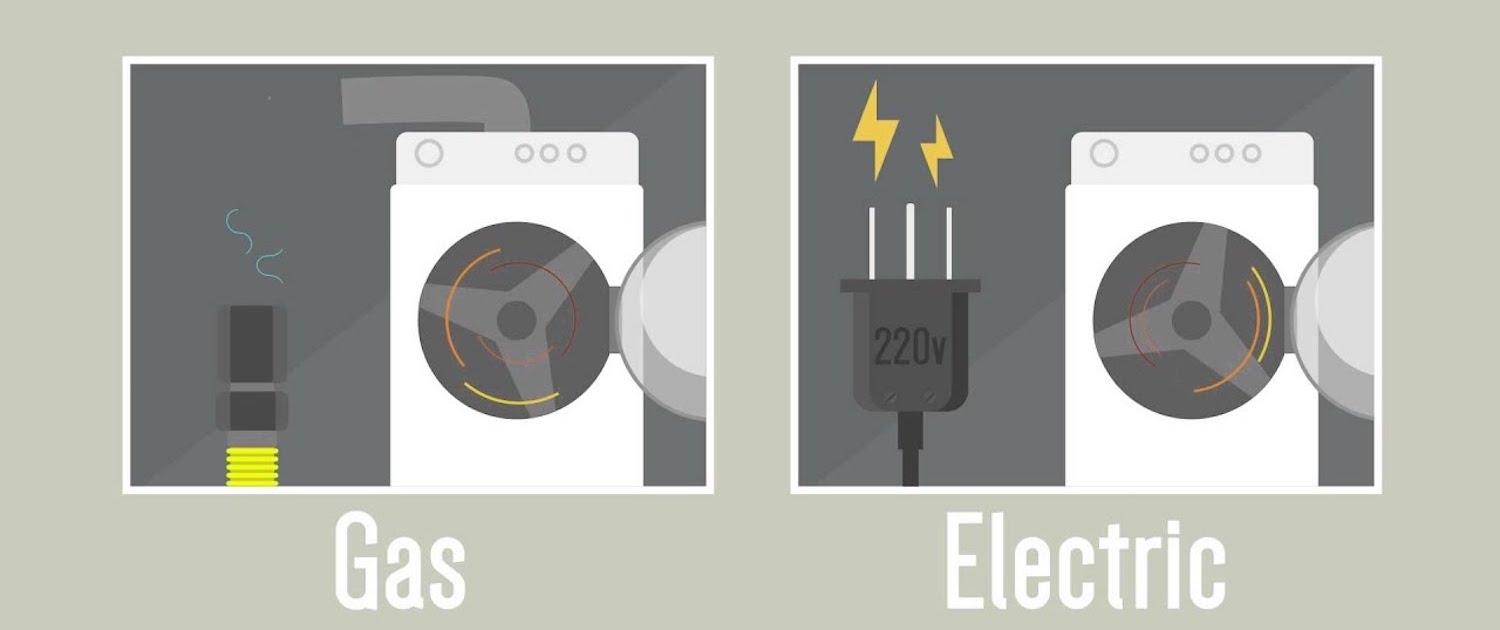
Ever found yourself staring blankly at shiny new washing machines and dryers, wondering if you should go with electric or gas? It's a question many of us face, and honestly, it’s a lot more interesting and impactful than you might think! This isn't just about getting clothes clean; it’s about understanding what powers your home, impacts your utility bills, and fits your lifestyle. Choosing the right setup can make laundry day a breeze, save you money in the long run, and even add a little sparkle to your home efficiency.
For the beginners or those setting up their first real home, understanding the core differences between electric and gas appliances is absolutely fundamental. You don't want to buy a gas dryer only to find your apartment only has electric hookups! For families, this decision often boils down to efficiency and speed. Gas dryers are sometimes praised for drying clothes a bit faster, which can be a godsend when you're powering through multiple loads of kid-sized chaos. And for the home hobbyists or those who love optimizing every corner of their living space, delving into energy consumption, installation costs, and long-term savings becomes a fascinating puzzle. It’s about making an informed choice that brings both convenience and smart economic sense to your daily routine.
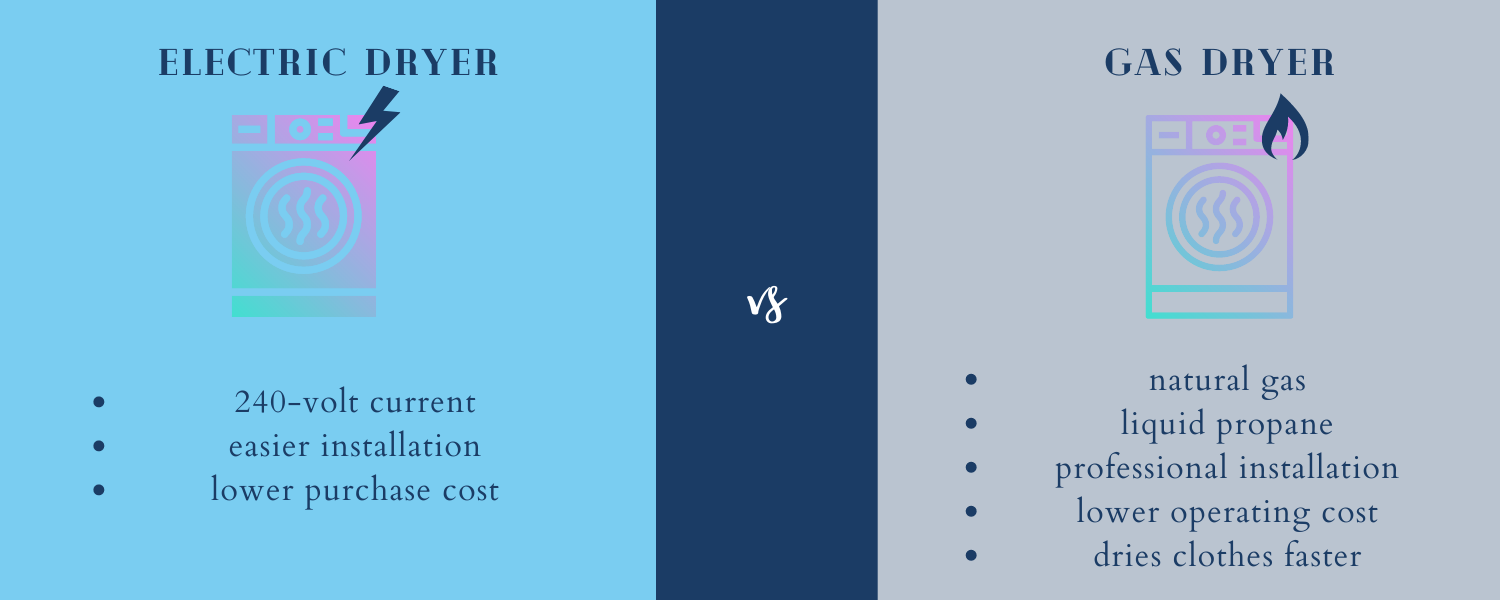
So, what are the main players? On one side, we have Electric washers and dryers. Electric washers are pretty standard, plugging into a regular outlet. Electric dryers, however, need a dedicated 240-volt outlet, which looks different from your typical wall socket. They're super common, easier to install in most homes that don't have natural gas lines, and generally have a lower upfront purchase price. On the other side, there's Gas. A gas dryer needs a natural gas line hookup in addition to a standard 120-volt electrical outlet (for the controls and igniter). Gas appliances often dry clothes more quickly and can be cheaper to operate depending on the fluctuating prices of natural gas versus electricity in your area. Beyond the power source, you also have variations like ventless condenser dryers (usually electric), which are great for spaces without external venting options, or even washer-dryer combos that offer a compact, all-in-one solution.
Must Read
Ready to make a choice? Here are some simple, practical tips to get you started. First and foremost, check your existing hookups! This is the absolute biggest factor. Look behind where your current dryer is (or where you plan to put a new one) – do you see a gas line (usually a yellow flexible hose with a shut-off valve) or just electrical outlets? If it’s only a 240V electric outlet, then an electric dryer is your natural path. If you have both, then you have a choice! Next, consider the utility costs in your specific region. Do a quick search to compare the price of natural gas versus electricity per therm/kWh where you live. This can significantly impact your operating costs over the life of the appliance. Finally, think about installation ease and cost. Electric dryers are generally simpler to install yourself (if you're handy), while gas dryers typically require professional installation for safety reasons due to the gas line connection.
At the end of the day, choosing between electric and gas for your laundry setup is about finding what works best for your home, your budget, and your peace of mind. It’s a decision that touches everything from energy bills to how quickly you can get those soccer uniforms clean. Embrace the research, weigh your options, and soon you'll be enjoying the simple pleasure of fresh, perfectly dried laundry, knowing you made the smartest choice for you!
:max_bytes(150000):strip_icc()/gas-dryer-vs-electric-dryer-2146251_FINAL-5bbe54b846e0fb00511f28f4.png)
:max_bytes(150000):strip_icc()/gas-dryer-vs-electric-dryer-2146251-hero-b5656c0d27ad423eb7909c09396243c3.jpg)