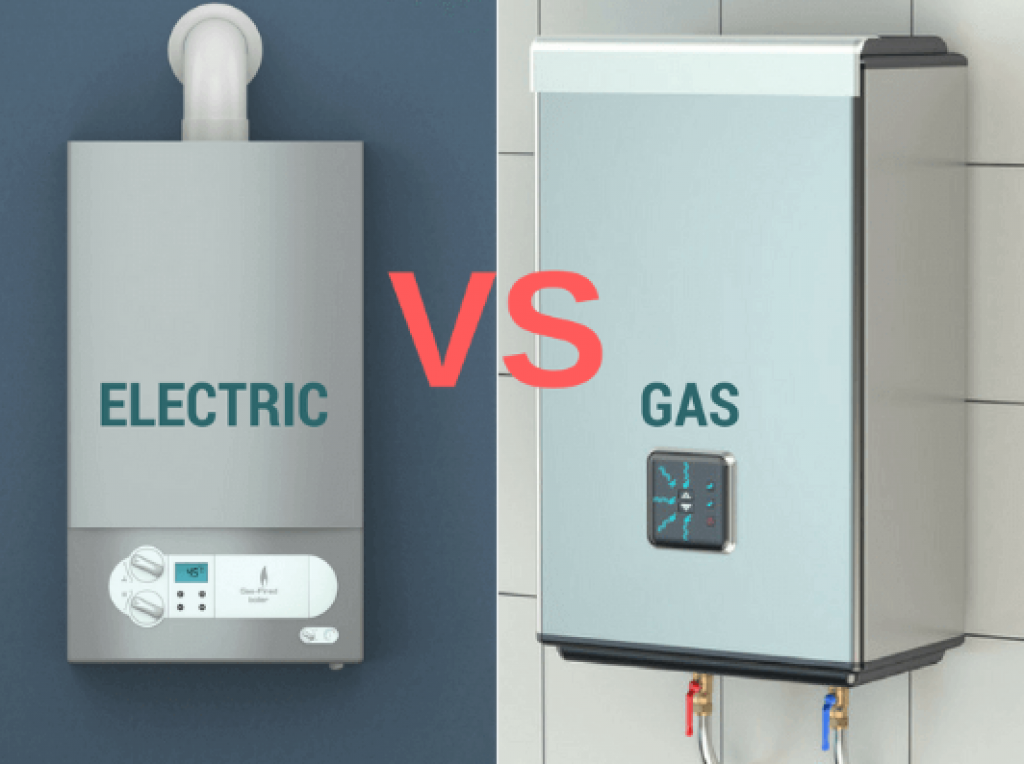
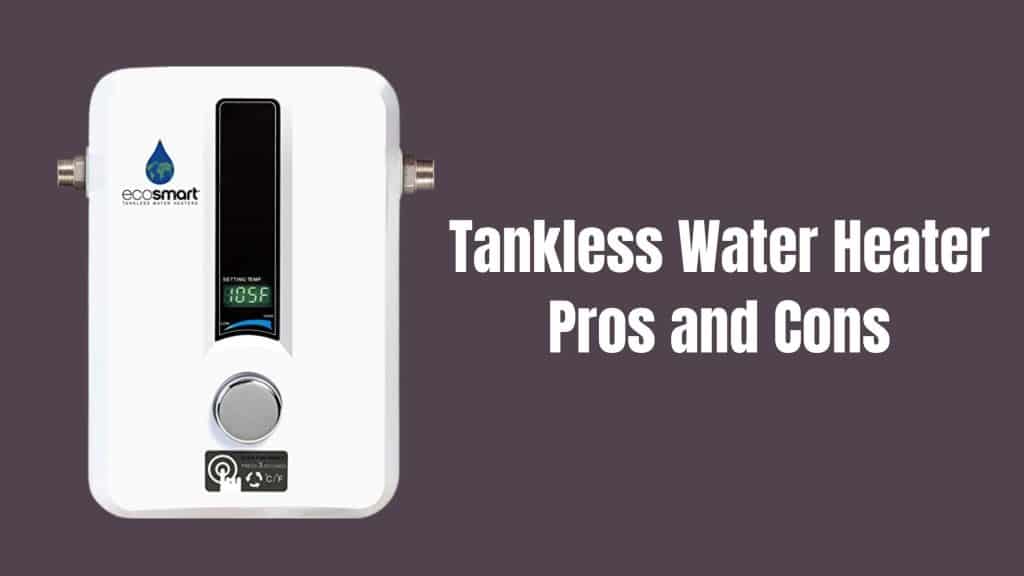
Electric Tankless Water Heaters Pros And Cons
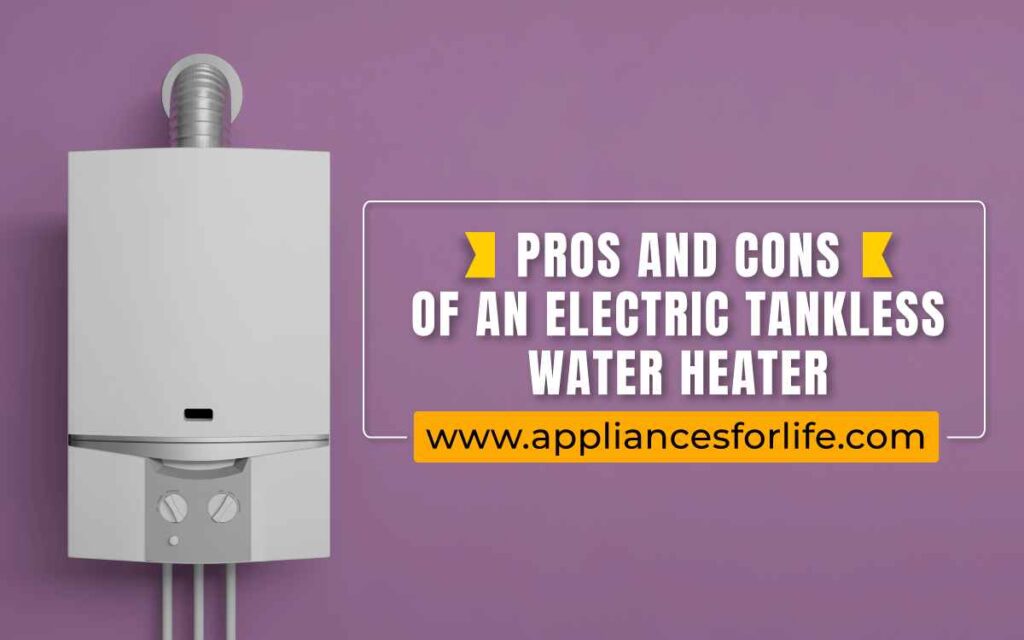
Ah, the bliss of a hot shower! Is there anything quite like stepping into a steamy cascade after a long day? Or maybe you prefer a relaxing soak in a hot bath to unwind. We all rely on hot water for so many daily tasks, from washing dishes to doing laundry, and having a reliable source is a modern convenience we often take for granted. One way to ensure that hot water is always available (or at least theoretically) is with an electric tankless water heater. But are these on-demand systems really all they're cracked up to be? Let's dive in and weigh the pros and cons.
The primary purpose of an electric tankless water heater is to provide hot water only when you need it. Unlike traditional tank heaters that constantly heat and store a large volume of water, tankless models heat water as it passes through the unit. This offers several key benefits. First, and perhaps most appealing, is the promise of endless hot water. No more running out halfway through your shower because someone else decided to do laundry! Second, because they only heat water on demand, they are generally considered more energy efficient, potentially saving you money on your electricity bill. Third, they are typically much smaller and more compact than tank heaters, freeing up valuable space in your basement or utility room.
Electric tankless heaters are commonly used in homes, apartments, and even small businesses. You might find them providing hot water to a single bathroom, an entire house, or a specific appliance like a dishwasher. Some people even use them to heat water for a hot tub or swimming pool, though these applications often require multiple units.
Must Read
So, what's the catch? Well, there are a few. One of the biggest drawbacks of electric tankless water heaters is their high upfront cost. They are often significantly more expensive to purchase and install than traditional tank heaters. Secondly, they require a substantial electrical infrastructure. This means you might need to upgrade your electrical panel and wiring to accommodate the high amperage draw of these units. This can add significantly to the overall cost of installation. Third, while they provide endless hot water, they can sometimes struggle to provide consistent water temperature, especially if multiple appliances are using hot water simultaneously. You might experience a slight temperature drop if someone flushes the toilet while you're showering.
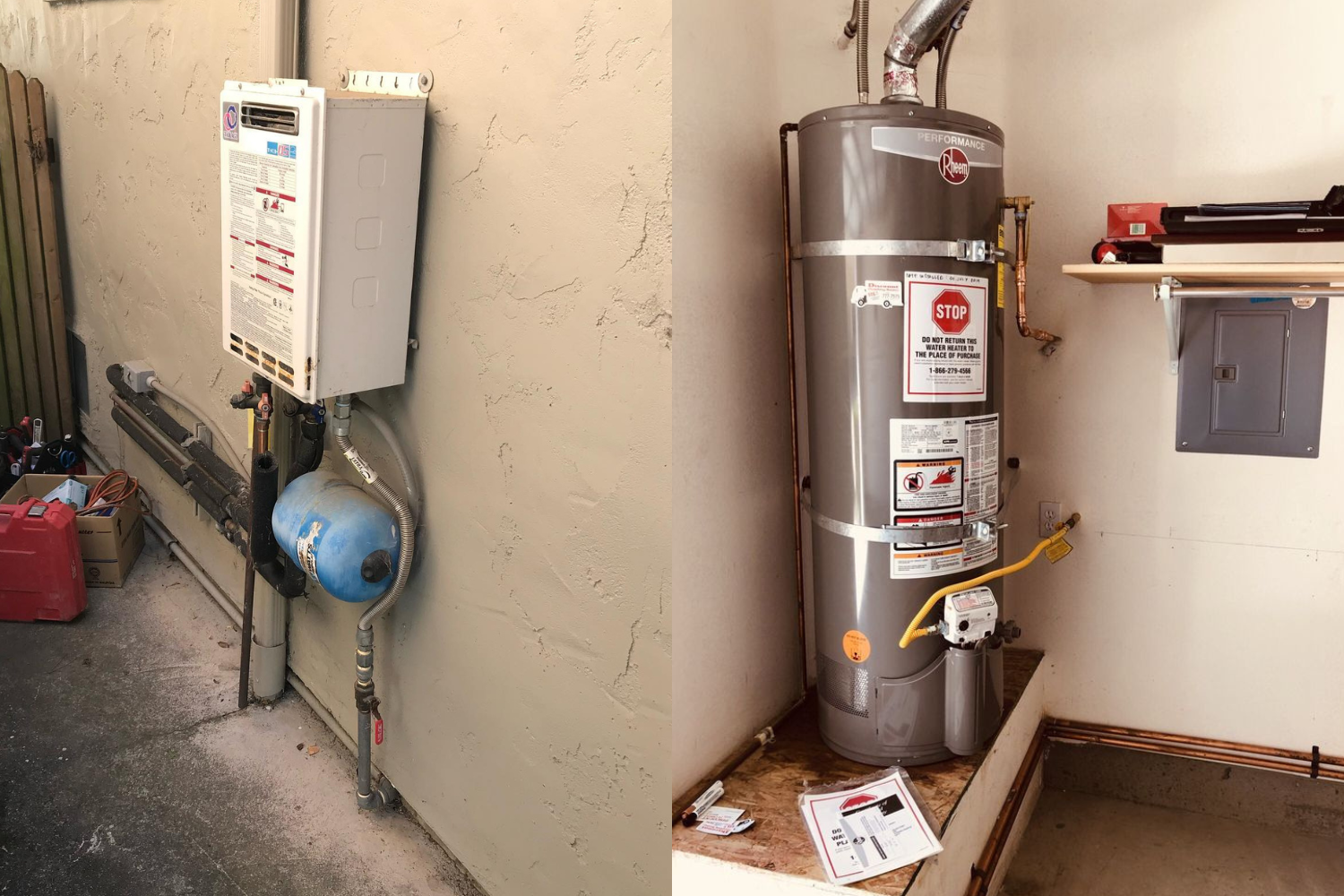
Finally, consider these tips to enjoy your electric tankless water heater more effectively: Size matters! Ensure you choose a unit that is appropriately sized for your hot water needs. Consult with a qualified plumber to determine the right size based on the number of bathrooms, appliances, and people in your household. Regular maintenance is key. Flush your tankless heater annually to remove mineral buildup and ensure optimal performance. Consider point-of-use heaters. For specific applications like a far away bathroom sink, a small, point-of-use tankless heater can be a more efficient and cost-effective solution.
Ultimately, the decision of whether or not to install an electric tankless water heater depends on your individual needs and circumstances. Weigh the pros and cons carefully, consider your budget, and consult with a professional to make the best choice for your home.