
Electric Rates In My Area

Hey there, ever find yourself staring at your electricity bill, maybe with a slight furrow in your brow, and just kind of... shrugging? You pay it because, well, lights! And Wi-Fi! But have you ever stopped to wonder what’s really going on behind those numbers? It turns out, electric rates in my area (and probably yours too!) are actually pretty fascinating once you peek behind the curtain.
It's Not Just One Number, It's a Whole Adventure!
Think of your electricity bill not as a boring chore, but as a kind of mystery novel, or maybe even a secret menu at your favorite diner. There’s so much more to it than just the total amount due. What we pay for electricity is a complex dance involving lots of moving parts, and understanding it can be surprisingly empowering – and even save you a few bucks!
First off, what are we even paying for? It’s not just the electrons themselves, zipping around. It’s the entire colossal system that gets those electrons from wherever they’re made (a power plant, a solar farm, a wind turbine) all the way to your toaster. That includes generation, transmission (the big power lines, like electricity superhighways), and distribution (the local lines, like the smaller roads right to your house). Pretty wild, right?
Must Read
Unlocking the "Secret Menu" of Rate Plans
One of the coolest things to discover is that there isn't just one way to charge for electricity. It's not a one-size-fits-all shoe! Many areas offer different plans, and understanding them is like finding the cheat codes for your energy usage.
You might be on a flat rate, where you pay the same price per kilowatt-hour no matter when you use it. This is like an all-you-can-eat buffet – same price, load up whenever you want. Simple, straightforward.

Then there are tiered rates. This is where it gets a little more nuanced. With tiered rates, the price per unit of electricity might change once you’ve used a certain amount. For example, the first 500 kWh might be one price, and anything over that might be a higher (or sometimes lower!) price. It’s like buying in bulk, but sometimes the more you "bulk," the more expensive the final few items become! It encourages you to be mindful of your overall usage.
But here’s where it gets really interesting for many of us: Time-of-Use (TOU) rates. This is like the surge pricing of electricity. The price you pay for electricity changes depending on the time of day you use it. There are usually "peak" hours (when everyone is using lots of power, like after work when you’re cooking dinner, watching TV, and running the AC) and "off-peak" hours (like late at night or early in the morning). Off-peak is often much cheaper!
Isn't that wild? Suddenly, running your dishwasher at 10 PM instead of 6 PM could actually save you money! It turns your electricity usage into a bit of a game, where you strategically plan when to power up your appliances.
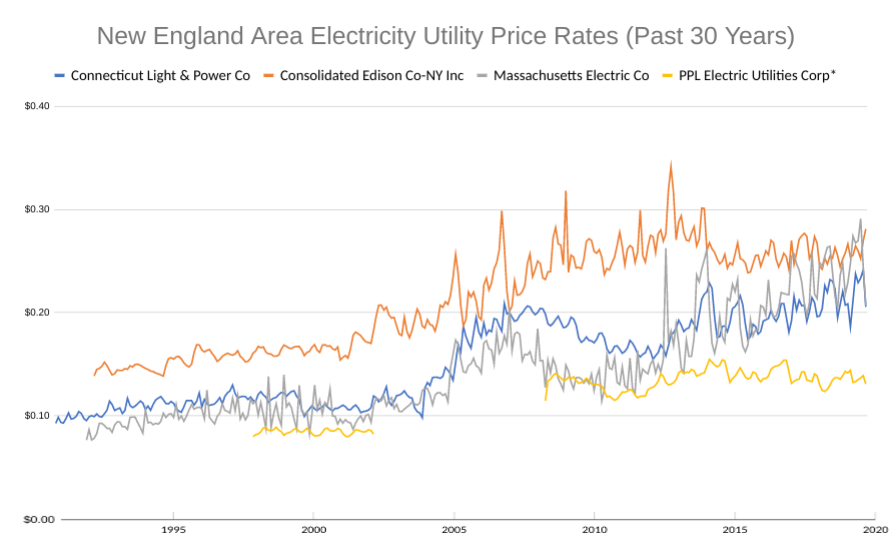
Why Do Rates Fluctuate? The Grand Energy Ballet!
So, why all this complexity? Why can't it just be one super simple price all the time? Well, it’s because the cost of generating and delivering electricity is constantly changing, like a living, breathing thing.
A big factor is fuel costs. If power plants primarily run on natural gas, and the price of gas goes up, so does the cost of making electricity. It’s like how gas prices affect your car – sometimes they're low, sometimes they sting a bit.
Then there's demand. Imagine a highway at rush hour versus midnight. There's more traffic, more wear and tear, and sometimes even dynamic pricing. Electricity is similar. On a sweltering summer afternoon when every AC unit is blasting, demand skyrockets. It costs more to meet that sudden surge, sometimes requiring less efficient "peaker plants" to kick in. This is why "peak" hours are more expensive with TOU rates – the grid is working extra hard!
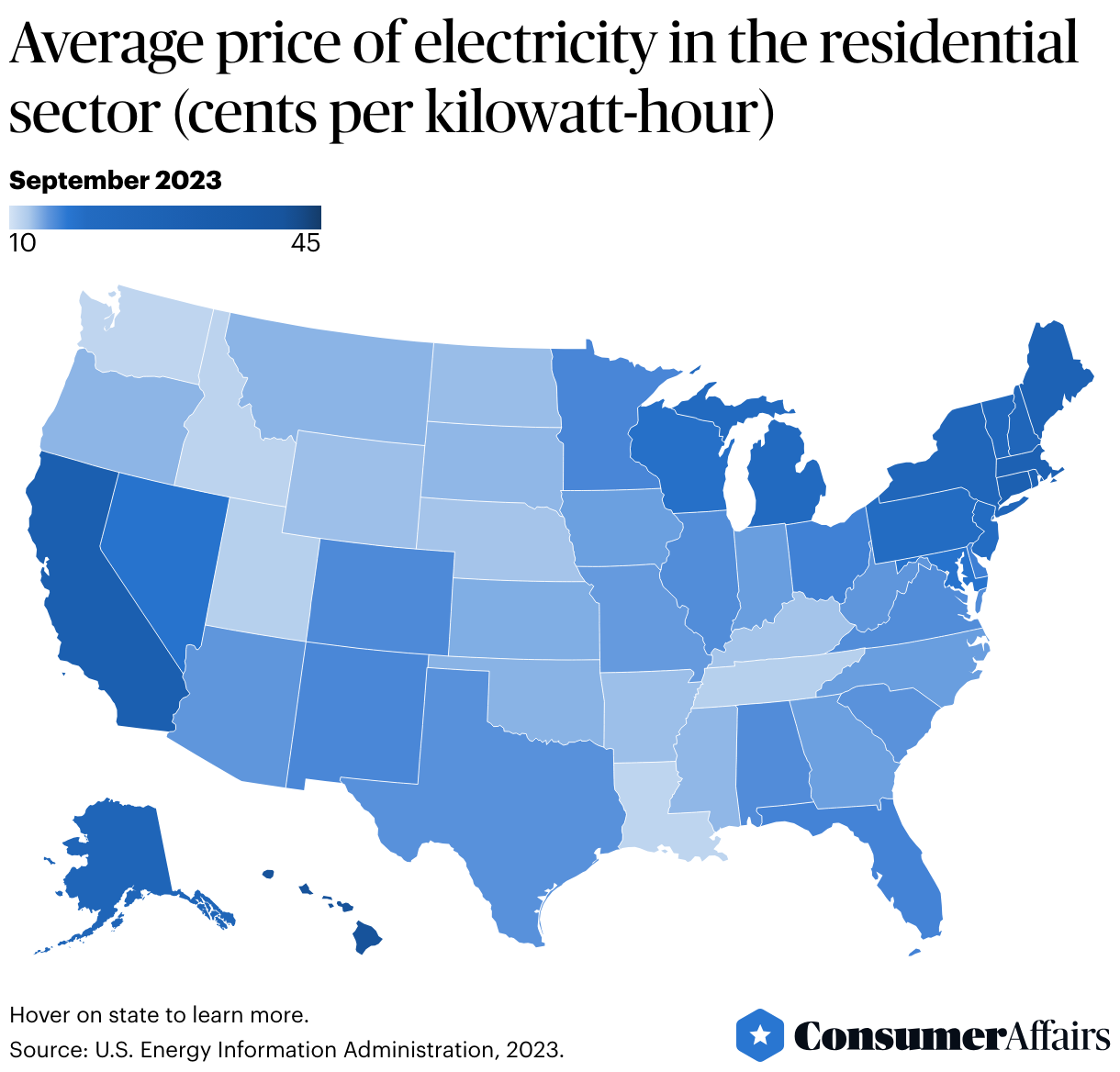
Weather plays a huge role too. Think about it: a heatwave means more AC, a cold snap means more heating. Severe storms can damage infrastructure, which costs money to repair. It all feeds into the rates.
And let's not forget about infrastructure maintenance and upgrades. Those power lines, transformers, and substations don't maintain themselves! Investing in a smarter, more resilient grid is vital, and those costs are factored in.
Making Your Electricity Bill Work For YOU
The cool part about all this information is that it gives you agency. Once you understand the mechanics, you can start making informed choices.

First step: Find out your current rate plan! It's usually listed on your bill or readily available on your utility provider's website. If you're on a flat rate, you might consider if a TOU plan could save you money, especially if you're good at shifting some activities to off-peak times.
Even if you're not on TOU, understanding when energy costs more generally (like during peak demand periods) can help you conserve. Running energy-intensive appliances like your washing machine, dryer, or dishwasher when you're not at home, or late at night, can be a smart move, depending on your plan.
It's not about being stingy; it's about being smart. It’s about being a savvy detective, unraveling the mystery of your bill, and finding ways to optimize your energy consumption. Who knew electric rates could be such a compelling puzzle to solve? So next time you glance at that bill, give it a second look – you might just discover something fascinating and empowering!