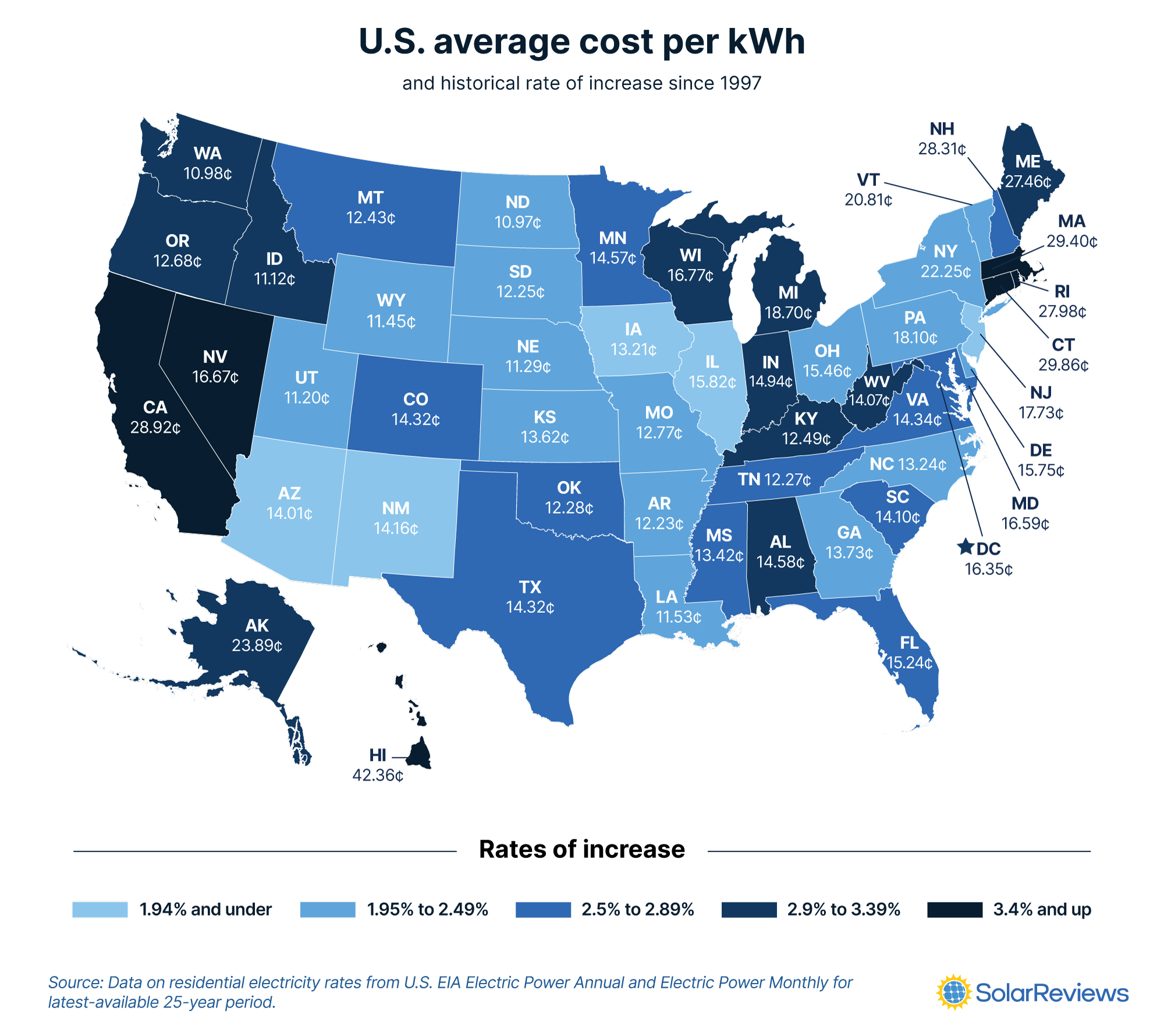
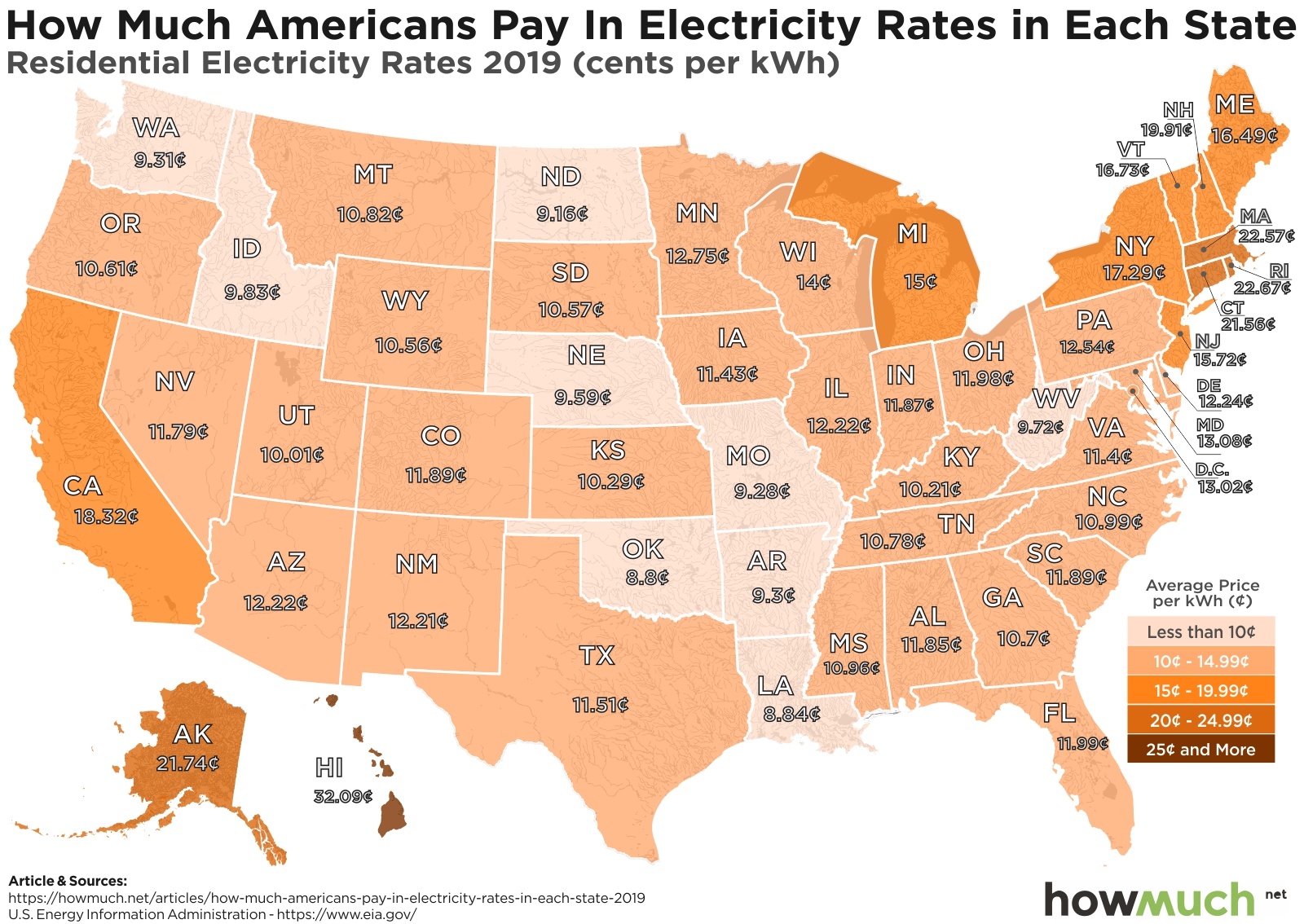
Electric Cost Per Kwh By State
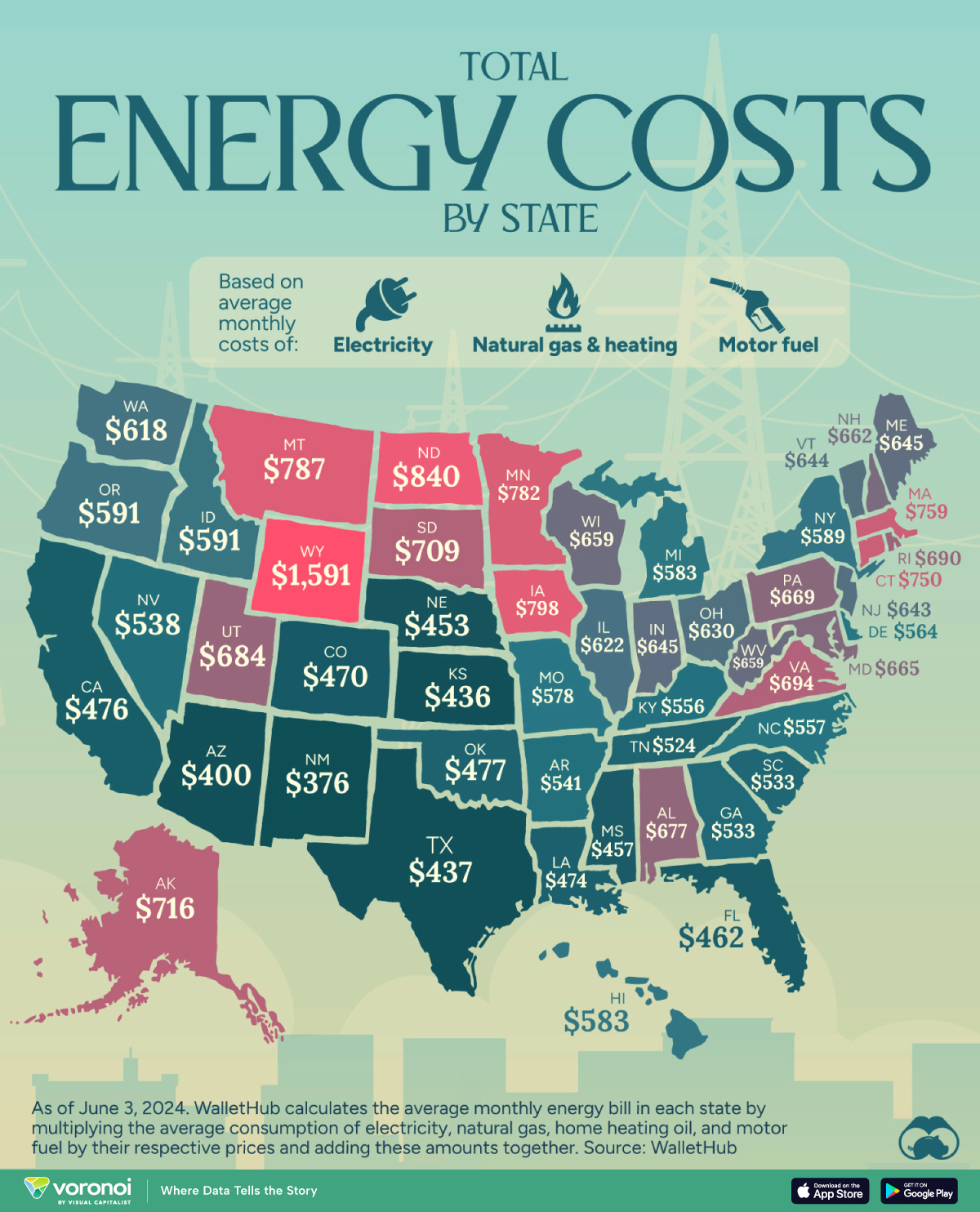
Ever torn open that monthly electricity bill envelope – or more likely, clicked open that dreaded email – and felt a little pang of dread? Yeah, us too. It’s a universal experience, right up there with waiting for toast to pop or trying to assemble IKEA furniture without crying. But here’s a fun, slightly unsettling secret: that little number at the bottom, the one that makes your jaw clench, isn’t just about how much energy you used. It’s also about where you used it. Welcome to the wacky world of electric cost per kWh by state!
First off, let’s demystify the star of our show: the kWh. Sounds like something a mad scientist would shout, doesn't it? But really, a kilowatt-hour (kWh) is just how we measure electricity. Think of it like a gallon of gas for your car, or a scoop of flour for baking. It’s a unit of energy. Your fridge, your TV, your trusty coffee maker – they all gobble up kWhs to do their thing. And the more they gobble, the bigger that number on your bill. Simple enough, right?
Now, here’s where things get interesting, and frankly, a bit of a rollercoaster. Imagine buying a gallon of milk. You expect a pretty similar price no matter which grocery store you hit in your town. But with electricity, it’s like that gallon of milk could cost you $2 in one state and then suddenly be $7 in another! It’s enough to make you spit out your morning coffee.
Must Read
Some states are like the bargain basement of electricity. You can leave every light on, crank the AC, and run a server farm in your living room without feeling a huge dent in your wallet. Others? Oh boy. Those are the premium boutique states where every flick of a switch feels like a luxury purchase. You find yourself having hushed conversations with your thermostat, negotiating usage like it’s a hostage situation. "Just a little cooler, please, no sudden moves!"
I swear, I once knew a guy who moved from a low-cost state to a high-cost one. He went from being a proud proponent of "lights on for ambiance" to someone who practically wore a headlamp in his own home. He’d meticulously unplug phone chargers, convinced they were silently siphoning his life savings. The trauma was real, folks. And it all boils down to that kilowatt-hour cost.

So, what’s the big deal? Why the wild price swings? Well, it’s a whole cocktail of factors. We’re talking about where the power comes from (coal, natural gas, hydro, solar, wind – each has its own price tag), the infrastructure needed to get it to your home (old grid vs. new grid), and even local regulations and taxes. It’s not just a simple matter of flipping a switch; it's a complex dance of economics and engineering.
This state-by-state variance seriously impacts our daily choices. That moment when you’re standing in front of the open fridge, pondering life’s mysteries, you might actually be thinking, "Is this contemplative moment worth the kWh?" Or the eternal summer struggle: AC on, or just embrace the glorious sweat? In some states, that’s a minor inconvenience. In others, it’s a legitimate financial dilemma, often leading to a heated family debate worthy of a reality TV show.
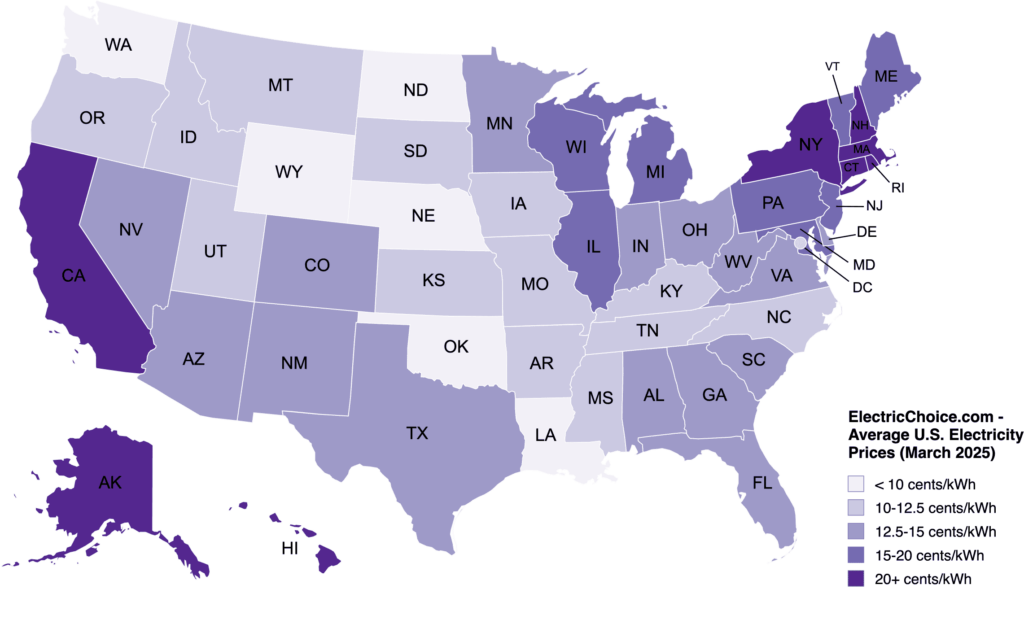
Even charging up your devices becomes a mini-budgetary consideration. Your electric car? That daily juice-up might feel like a steal in one place and a hefty monthly fee in another. It really puts things into perspective, doesn't it? It makes you realize that while electricity feels like a constant, its value is anything but.
So next time you're grumbling about your electricity bill, remember that you’re part of a much bigger, state-specific energy story. Your neighbor a few states over might be living a completely different electrical dream – or nightmare. It's a fascinating, albeit sometimes frustrating, aspect of modern life. And who knows, maybe it’ll inspire you to finally unplug that toaster when it’s not in use. Every little kWh helps, especially when your state charges you an arm and a leg for it!