Electric Cars Vs Gas Cars Advantages And Disadvantages

Okay, let's talk cars! Specifically, the age-old (well, relatively age-old) debate: Electric cars (EVs) versus gas cars. It's a hot topic because, let's face it, most of us need a way to get around, and we want to do it in a way that's both practical and, increasingly, responsible. This isn't just about transportation; it's about money, the environment, and even bragging rights (admit it!).
So, who benefits from understanding this EV vs. gas car showdown? Pretty much everyone! For beginners just starting to think about their next vehicle, this is about understanding the basics: Which option is cheaper to run? Which is easier to maintain? For families, it's about safety, space, and long-term costs. And for the hobbyists and gearheads out there, it's about performance, technology, and the thrill of something new (or the reliability of something tried and true).
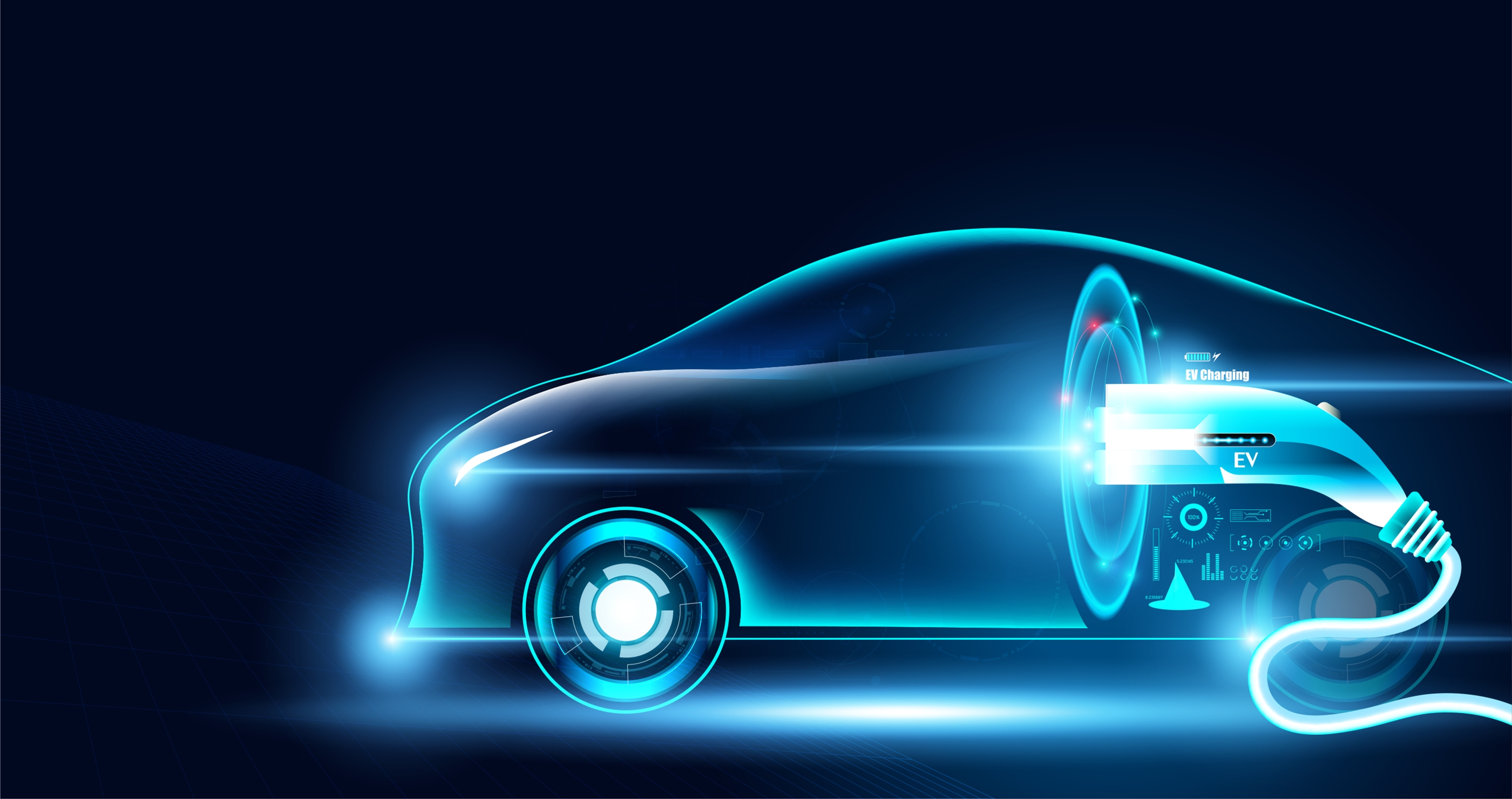
Let's break down the advantages and disadvantages, starting with EVs. The big advantages are lower running costs (electricity is often cheaper than gas), reduced emissions (good for the planet!), and a quieter, often smoother driving experience. Plus, government incentives can make them more affordable upfront. However, EVs also have their drawbacks. The initial purchase price can be higher, charging can take time (especially on standard outlets), and range anxiety (worrying about running out of battery) is a real thing for some.
Must Read
Now, for gas cars. The benefits are familiarity, widespread refueling infrastructure (gas stations are everywhere!), and generally lower upfront cost. Plus, you can fill up quickly and range isn't usually a concern. But, the downsides are those ever-fluctuating gas prices, higher maintenance costs (oil changes, tune-ups, etc.), and the undeniable environmental impact of burning fossil fuels. Think of a hybrid car as a variation; it blends both worlds to save money on fuel with reduced emissions.
For example, a family might choose an EV minivan for daily commutes and errands because of the lower running costs and quieter ride. They might keep a gas-powered SUV for longer road trips where charging infrastructure is less reliable. A hobbyist might opt for a classic gas-powered sports car for weekend fun, or a high-performance electric car for the instant torque and cutting-edge tech.

Practical Tips for Getting Started: If you're leaning towards an EV, research available tax credits and rebates in your area. Check out charging maps to see where charging stations are located near your home and work. Consider installing a Level 2 charger at home for faster charging. If a gas car is more your style, focus on fuel-efficient models and maintain your vehicle regularly to maximize its lifespan and efficiency.
Ultimately, the choice between an electric car and a gas car is a personal one. Weigh the pros and cons, consider your budget and driving needs, and don't be afraid to test drive both types of vehicles. The important thing is to make an informed decision that you're happy with. The world of cars is constantly evolving, whether it's the silent hum of an EV or the rumble of a classic engine, there's enjoyment to be found in the journey.