
Ehlers Danlos Syndrome Type 3 Photos

Ever seen someone do a yoga pose that looks physically impossible? Or maybe someone who can bend their fingers back at alarming angles? There's a chance they might have something called Ehlers-Danlos Syndrome (EDS), specifically hypermobile EDS, formerly known as Type 3.
And while living with EDS can be challenging, the online community has found a way to connect and share experiences through...photos! Get ready for a peek into a world where the body does things you never thought possible, sometimes hilariously so.
The Amazing, Bendy World of hEDS Photos
Forget your perfectly posed Instagram pictures. Photos shared by the hEDS community are often about documenting the reality of living with hypermobility.
Must Read
Think pictures of dislocated shoulders mid-grocery shopping, or ankles turning at 90-degree angles just walking down the street. But instead of being sad, many of these photos are shared with a wink and a dose of dark humor.
These aren't medical textbooks; they're snapshots of everyday life lived a little differently. Let’s dive in.
The "Party Trick Gone Wrong" Collection
Remember that party trick where you could bend your thumb all the way back to your wrist? For people with hEDS, that's not a trick; it's just… Tuesday.
Photos in this category often show off incredible flexibility, but they come with a warning: "Don't try this at home (unless your home is also a contortionist's studio… or a doctor's office)."
But what sets these photos apart is the context. A picture of a person's fingers doing the "piano key trick" (where the knuckles bend backwards) might be accompanied by a caption like, "Just trying to open a jar of pickles. Send help (and maybe a new hand)."
The "My Body is a Mystery" Gallery
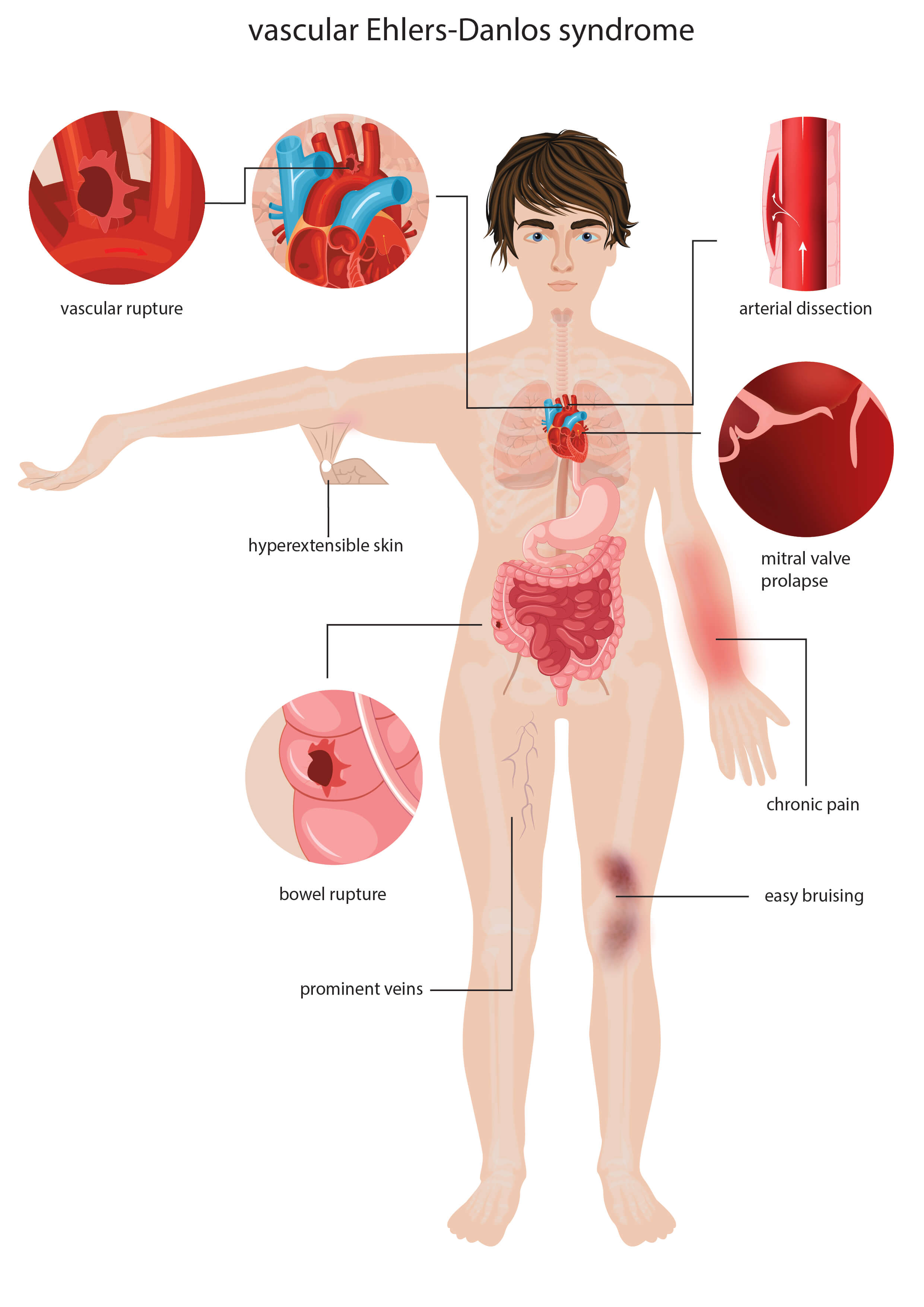
hEDS isn't just about being flexible; it can also affect the skin, joints, and even internal organs. So, some photos document the less visible symptoms.
Think pictures of skin so stretchy it can be pulled inches away from the body, or bruises that appear out of nowhere (the classic "Did I bump into something? Or did I just exist?" photo).
These photos are particularly important because they help raise awareness about the less obvious aspects of the condition. They show that hEDS is more than just being bendy.
The "This Actually Happened" Chronicles
These are the stories behind the photos that are truly unbelievable. Think of pictures of someone's shoulder popping out of its socket while they were reaching for the remote control.

Or a photo of an ankle that decided to do a spontaneous interpretive dance in the middle of a business meeting. These pictures are often shared with captions that are equal parts hilarious and horrifying.
These are the photos that make you say, "Wait, seriously? That can happen?" And the answer, unfortunately, is yes. Yes, it can.
Why These Photos Matter
Okay, so you've seen some photos of people doing impossible things with their bodies. But why are these pictures being shared in the first place?
It's more than just showing off party tricks. These photos are helping to build a community, raise awareness, and even educate doctors about hEDS.
The power of visual storytelling is undeniable. Seeing a photo can be much more impactful than just reading about the symptoms of hEDS.
Building a Community of Zebras
People with EDS often refer to themselves as "zebras." This comes from the saying, "When you hear hoofbeats, think horses, not zebras." Medical students are taught to look for common conditions first.
However, in the case of EDS, many people go undiagnosed for years because doctors don't think of the "zebra" possibility. The online community, especially through photo sharing, helps zebras find each other.
It's a place where they can share their experiences, offer support, and know that they're not alone. These images provide a sense of belonging and understanding.
Raising Awareness and Educating Others
Many people have never heard of hEDS. Photos can be a powerful way to introduce the condition to a wider audience. Imagine scrolling through social media and seeing a picture of someone's hypermobile joints.

It might spark curiosity and lead someone to learn more about EDS. By sharing their photos, people with hEDS are helping to educate others about the realities of living with the condition.
These visual representations make the invisible visible, fostering empathy and understanding in the broader community.
Empowering Patients and Doctors
Interestingly, these photos aren't just for patients. They can also be valuable tools for doctors. Doctors who are unfamiliar with hEDS might be able to recognize the signs of the condition after seeing photos shared by patients.
These images can help bridge the gap between patient experience and medical knowledge. Patients can also use photos to document their symptoms and show their doctors what they're experiencing.
This visual documentation can be crucial in getting a diagnosis and developing a treatment plan. Photos empower patients to advocate for their health and improve their quality of life.
The Humor Factor: Finding the Funny Side
Living with a chronic condition can be tough. That's why humor plays such a vital role in the hEDS community.
Many of the photos shared online are accompanied by witty captions and self-deprecating jokes. It's a way of coping with the challenges of EDS and finding moments of joy in everyday life.
Because, let's face it, sometimes you just have to laugh when your knee dislocates while you're trying to reach for a bag of chips.
"My Body is a Circus Act"
There's a certain absurdity to living in a body that seems to have its own agenda. People with hEDS often joke about their bodies being "circus acts" or "human pretzels."
They might share photos of themselves doing unusual stretches or contortions with captions like, "Just warming up for my audition with Cirque du Soleil." It's a way of reclaiming their bodies and finding humor in their unique abilities.
Turning the experience into a joke helps deflect from the pain and frustration that can come with the condition, and allows for a moment of levity.
"Dislocation Diaries"
Dislocations are a common occurrence for people with hEDS. Instead of dwelling on the pain, many people find humor in documenting their dislocation adventures.
Think photos of dislocated fingers captioned with, "Nailed it!" or pictures of dislocated shoulders accompanied by, "Just hanging around."
While these experiences are far from pleasant, finding humor in them can be a powerful coping mechanism. Turning a painful event into a funny story can help to normalize the experience and make it less frightening.
"The Bendy But Not Broken" Attitude
Ultimately, the humor in these photos comes from a place of resilience and strength. People with hEDS are often incredibly adaptable and resourceful. They find ways to navigate the challenges of their condition with grace and humor.
The photos they share online are a testament to their "bendy but not broken" attitude. They show that it's possible to live a full and meaningful life, even with a body that doesn't always cooperate.
It's a reminder that laughter can be the best medicine, even when dealing with chronic pain and disability. And a shared laugh can build a community of understanding.
More Than Just Photos: A Movement
The photo sharing surrounding hEDS has evolved into more than just a collection of images. It's become a movement that's changing the way the condition is understood and treated.
By sharing their experiences, people with hEDS are empowering themselves and others. They are breaking down stigmas, raising awareness, and advocating for better care.

The power of visual storytelling is creating a more inclusive and compassionate world for people with hEDS and other chronic conditions.
From Photo to Action: Advocacy and Research
The online community surrounding hEDS has been instrumental in advocating for better research and treatment options. By sharing their photos and stories, people with hEDS have raised awareness among researchers and policymakers.
This has led to increased funding for research and a greater focus on developing effective treatments. The photo-sharing also promotes patient driven research.
These images serve as a visual reminder of the challenges faced by people with hEDS, making it harder to ignore the need for more research and support.
A Celebration of Resilience
The photos of hEDS are more than just pictures; they are a celebration of human resilience. They show that even in the face of chronic pain and disability, it's possible to find joy, humor, and connection.
They are a reminder that we are all more than our bodies. These images show people living a full and complete life.
These photos inspire hope and empower others to live their best lives, regardless of their physical limitations. And that's something worth sharing.
The Future of hEDS Photography
As technology evolves, the way we share photos will continue to change. But one thing is certain: the hEDS community will continue to use visual storytelling to connect, raise awareness, and advocate for change.
Whether it's through social media, virtual reality, or other emerging platforms, the power of photos will remain a vital tool for empowering people with hEDS and creating a more inclusive world.
So, the next time you see a photo of someone doing something seemingly impossible with their body, take a moment to appreciate the story behind the image. It might just change the way you see the world. Remember Ehlers-Danlos Syndrome and to be kind. Also remember that not all bendy people have hEDS. Many people can be very flexible! And lastly, remember that hypermobility can have many causes!