
Effects Of Renewable Energy On The Environment
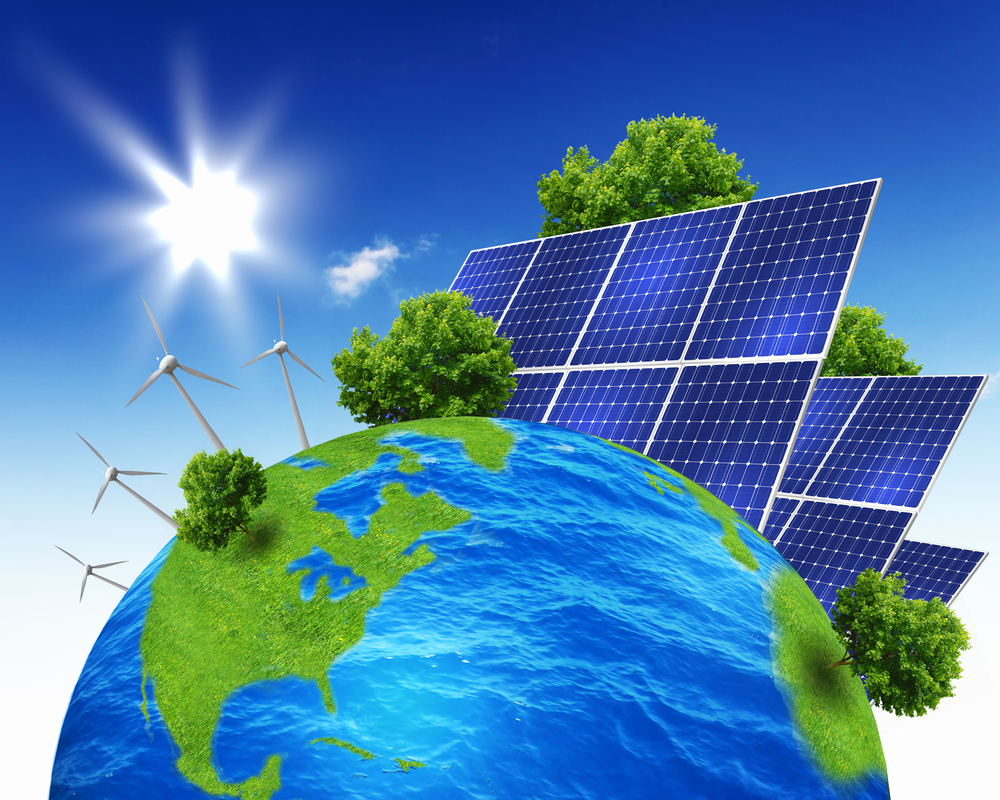
Hey! So, we're chatting about renewable energy today, right? Specifically, how it impacts our good ol' planet. Grab your coffee (or tea, I'm not judging!), and let's dive in.
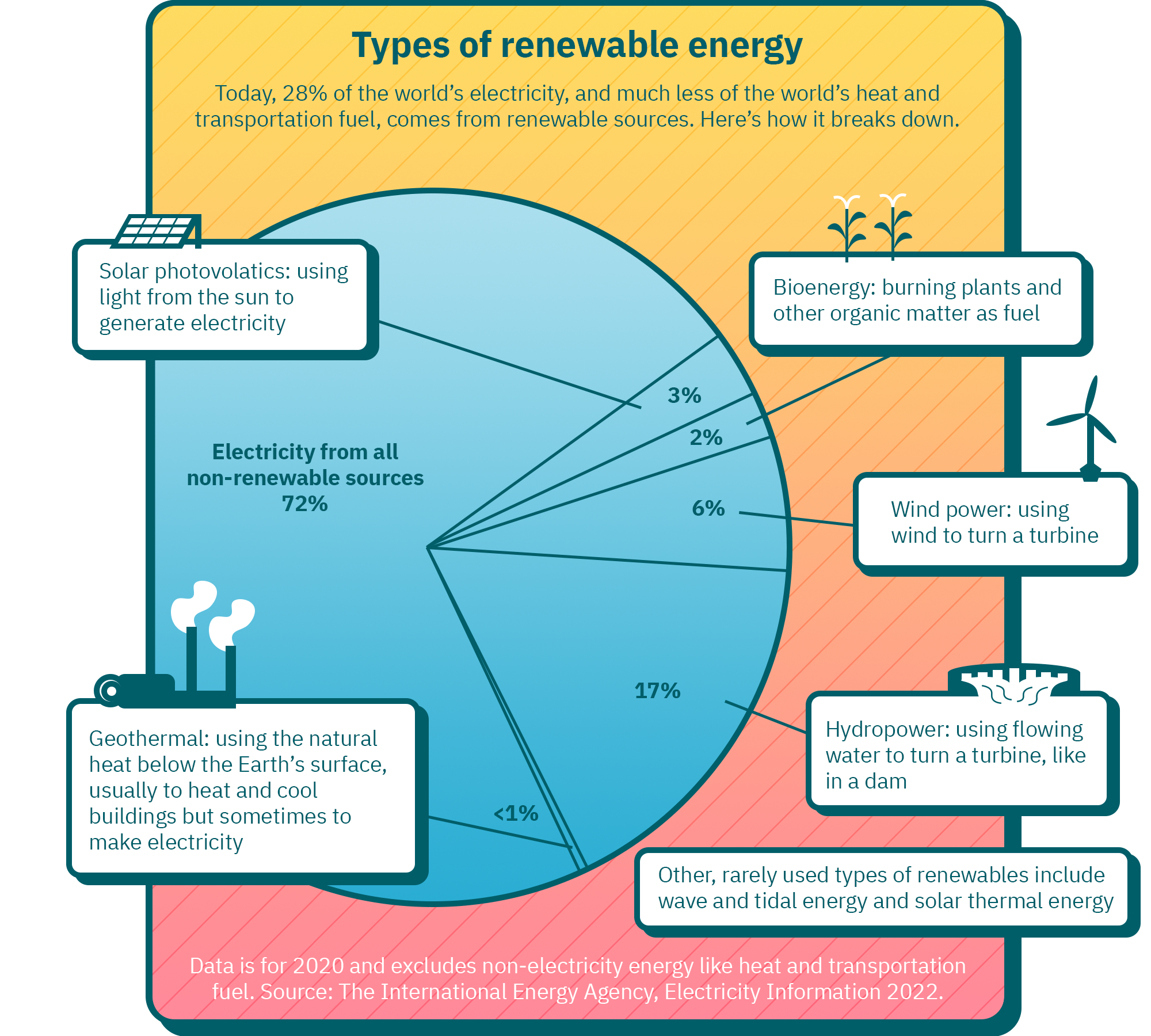
First things first: what even IS renewable energy? Think solar panels glistening in the sun, wind turbines twirling like giant ballerinas, and water rushing through dams. Basically, power sources that replenish themselves. Unlike, you know, fossil fuels that take, like, a bazillion years to form. And once they're gone... poof! Gone!
The Air We Breathe (and Don't Want to Cough Up!)
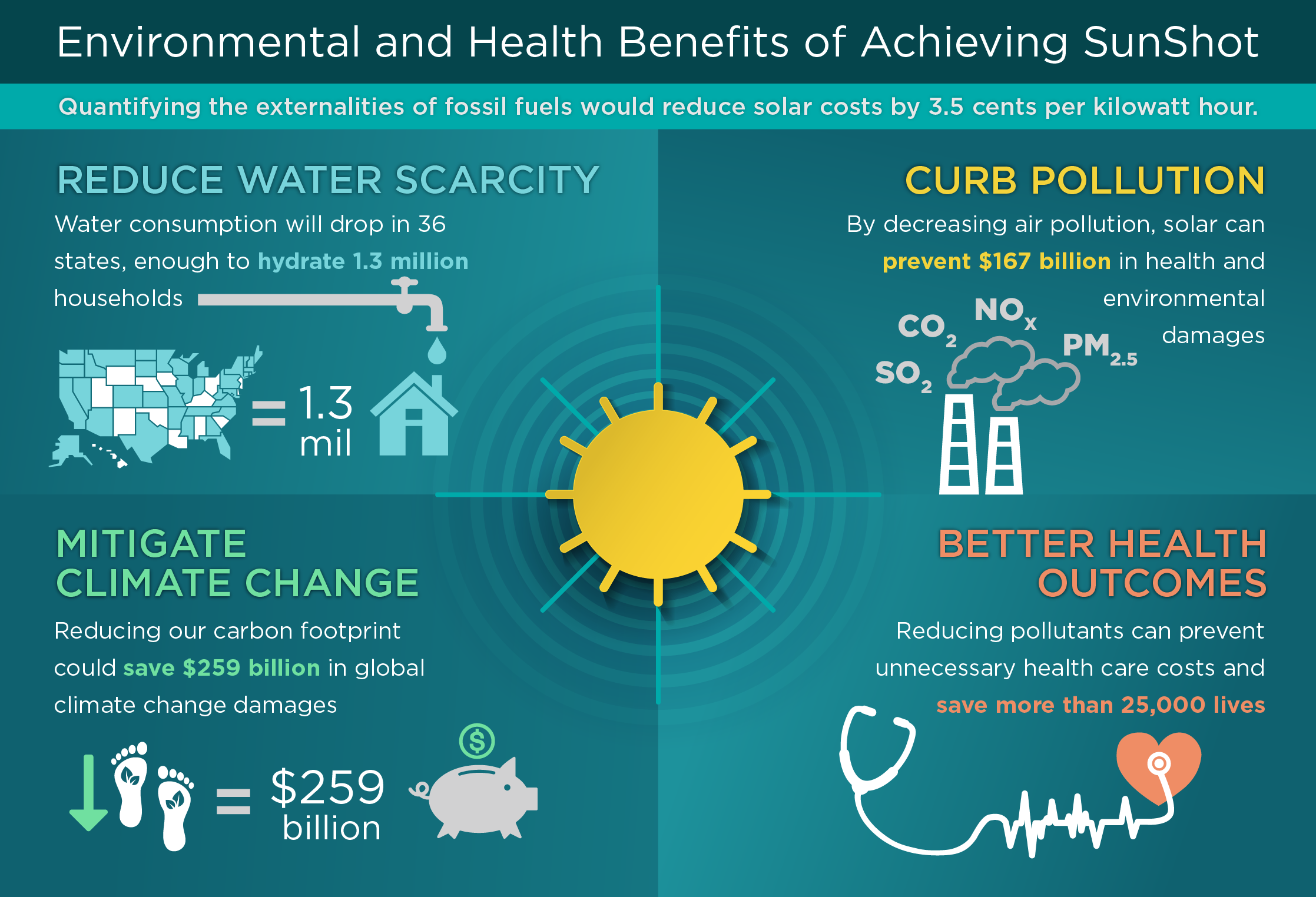
One of the biggest perks of renewable energy? It cleans up our air! Seriously. Fossil fuels are notorious for spewing out pollutants – nasty stuff that causes smog, acid rain, and a whole bunch of respiratory problems. Yuck!
Must Read
Renewable sources, on the other hand, are much cleaner. Solar power produces zero emissions during operation. Zero! Wind power? Ditto. Hydroelectric? You guessed it – zero emissions while it's generating electricity. Now, there's some impact during construction, of course, but compared to coal plants? It’s like comparing a tiny sneeze to a volcanic eruption.
Less air pollution means fewer asthma attacks, healthier lungs, and generally a happier planet. Doesn't that sound nice?
Climate Change: The Big Kahuna
Okay, let's talk about the elephant in the room: climate change. Fossil fuels are major contributors to greenhouse gas emissions (carbon dioxide, methane, etc.), which trap heat in the atmosphere and cause global warming. It’s like wrapping the Earth in a giant, sweaty blanket. Not ideal.
Renewable energy significantly reduces our reliance on these polluting fossil fuels. Switching to solar, wind, and other renewables is crucial for curbing greenhouse gas emissions and mitigating the effects of climate change. Think melting glaciers, rising sea levels, and extreme weather events. Nobody wants that, right?
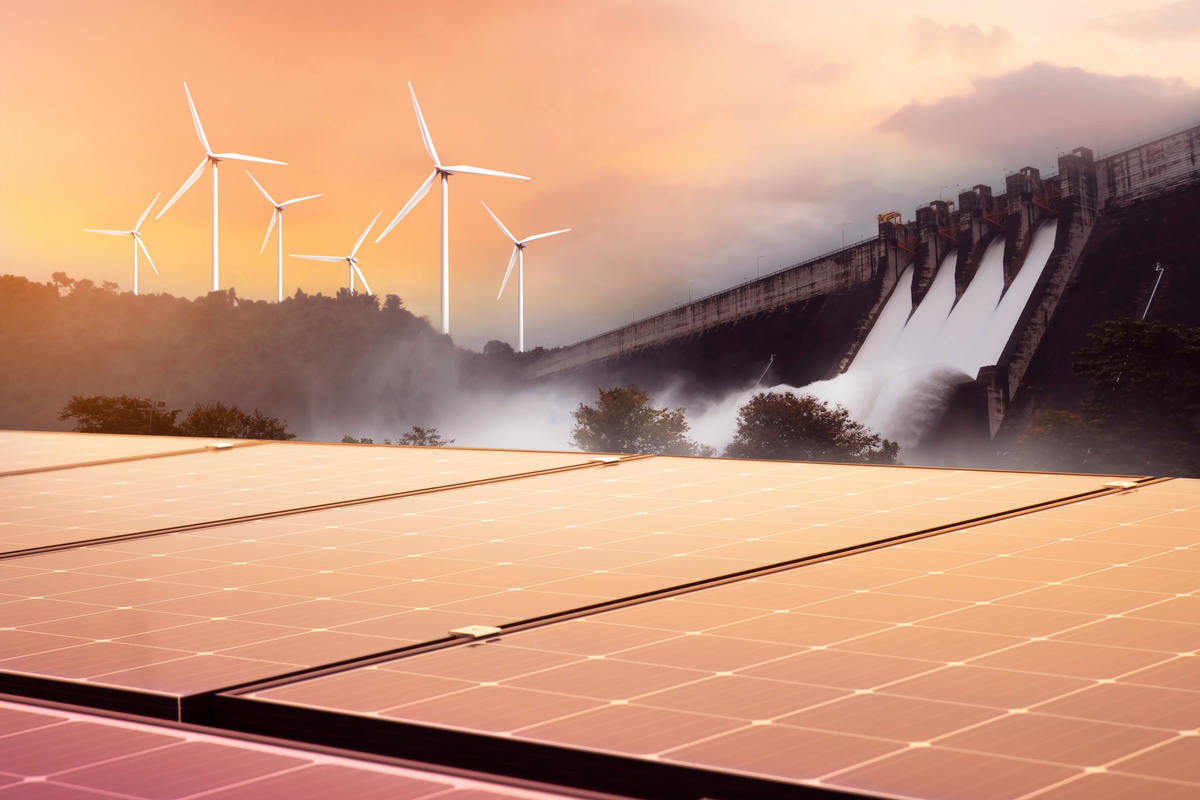
It’s not a perfect solution, of course. But it's a HUGE step in the right direction. We're talking about potentially averting climate catastrophe here, people!
Water, Water Everywhere...Hopefully!
Fossil fuel power plants also guzzle up a ton of water for cooling. And sometimes that water gets discharged back into rivers and lakes, often at higher temperatures, which can harm aquatic ecosystems. Imagine trying to swim in a hot tub all day – not very appealing for fish and other critters!
Some renewable energy technologies, like solar PV and wind power, require very little water to operate. Others, like concentrated solar power (CSP), do use water, but often less than traditional fossil fuel plants. So, generally, switching to renewables helps conserve our precious water resources. That's a win-win!
Land Use: Finding the Right Balance
Okay, let's be real: nothing is perfect. Renewable energy projects can require land, sometimes a lot of it. Solar farms, wind farms, hydroelectric dams – they all need space.
But... and this is a big but... it’s all about how we manage that land. Smart planning and careful siting can minimize the impact on ecosystems and communities. Plus, with advancements in technology, we're getting better at using land more efficiently. Think about placing solar panels on rooftops or using offshore wind farms. Clever, right?
A Few Other Things to Consider
There are always trade-offs. For instance, hydropower dams can disrupt fish migration patterns. Wind turbines can sometimes pose a threat to birds. Solar panel manufacturing requires certain materials.
But here's the thing: we're constantly learning and improving. Scientists and engineers are working tirelessly to develop even more sustainable and environmentally friendly renewable energy technologies. It's an ongoing process!
So, there you have it! A quick rundown of the environmental impacts of renewable energy. Sure, it's not a silver bullet, but it's a vital part of creating a cleaner, healthier, and more sustainable future for all. Now, go forth and spread the word! And maybe consider installing some solar panels yourself. 😉