Effects Of Geothermal Energy On The Environment

Ever wondered about tapping into the Earth's natural heat? Geothermal energy is like having a giant, eco-friendly radiator beneath our feet, and it's becoming increasingly popular as we search for sustainable energy sources. Why? Because it's a fascinating way to power our lives using the planet's own resources! Let's dive into how this "hot" technology interacts with our environment.
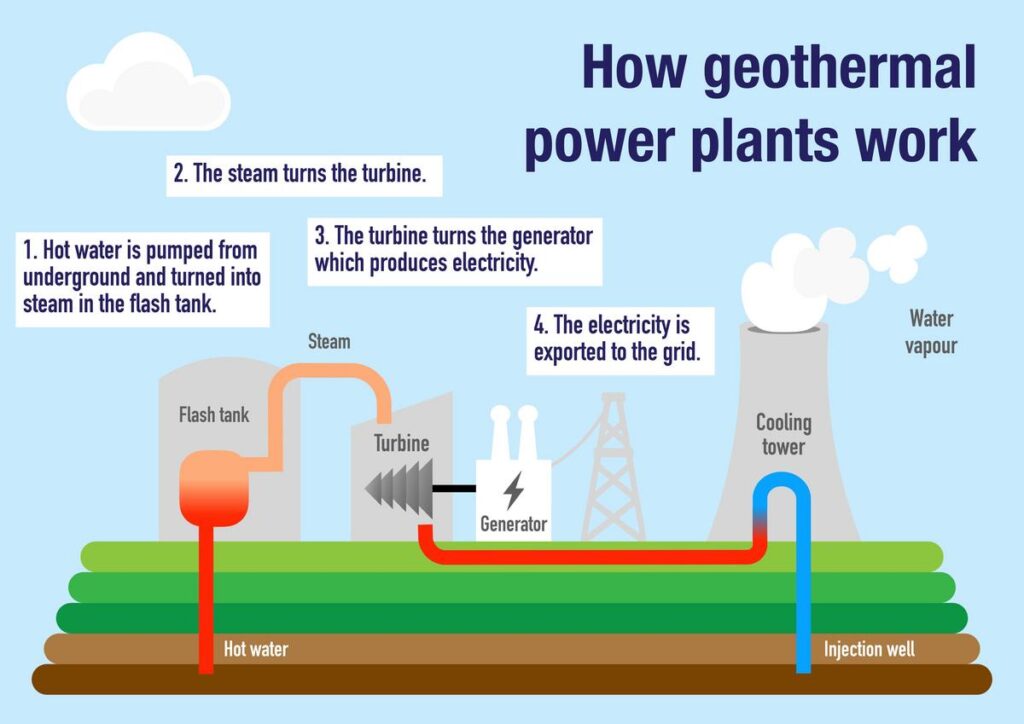
So, what's the big idea behind geothermal energy? Put simply, it’s about harnessing the Earth's internal heat. This heat, generated from the planet's formation and radioactive decay, is constantly flowing outwards. Geothermal power plants tap into this heat, typically by drilling wells into underground reservoirs of hot water or steam. This steam then drives turbines, which in turn generate electricity. Alternatively, geothermal heat pumps can directly use the Earth's constant temperature to heat and cool buildings. The purpose is clear: to provide a cleaner, more sustainable alternative to fossil fuels.
Now, let's talk benefits. Geothermal energy is a renewable resource. The Earth's heat is constantly replenished, unlike fossil fuels which are finite. This makes it a sustainable option for the long haul. It also offers a smaller carbon footprint compared to traditional energy sources. While geothermal power plants aren't completely emission-free, their greenhouse gas emissions are significantly lower than those from coal or natural gas plants. Plus, geothermal plants have a smaller land footprint than other renewable energy sources like solar or wind farms. This can be a huge advantage in areas where land is scarce.
Must Read
But what about the environmental effects? It's not all sunshine and roses (or should we say, steam and… well, still sunshine!). Geothermal development can have some environmental impacts. One concern is the potential for induced seismicity, or triggering small earthquakes. This can occur if geothermal operations alter the underground pressure in areas with pre-existing faults. However, with careful site selection and monitoring, these risks can be minimized. Another issue is the potential release of geothermal fluids, which may contain trace amounts of heavy metals and other pollutants. Modern geothermal plants utilize closed-loop systems to prevent these fluids from contaminating the surrounding environment. These systems reinject the fluids back into the reservoir, minimizing the risk of pollution.

Furthermore, some geothermal projects can impact local ecosystems. For example, the construction of power plants and pipelines can disrupt habitats. Careful planning and mitigation measures, such as restoring disturbed areas and minimizing noise pollution, are crucial to protect biodiversity. Geothermal energy is also considered as a dependable and reliable source of energy. It is available 24 hours a day, 7 days a week, unlike solar and wind energy which are intermittent.
In conclusion, geothermal energy offers a promising pathway towards a cleaner energy future. While it's not without its environmental challenges, responsible development practices and technological advancements are helping to minimize these impacts. By understanding both the benefits and potential drawbacks, we can make informed decisions about how to harness the Earth's natural heat in a sustainable way. So, the next time you feel the warmth of the Earth, remember that there might be a whole lot of power hidden just beneath your feet!