
Duties And Responsibilities Of A Chemical Engineer

Ever wondered who's behind that perfectly fizzy soda or the super-absorbent diapers your little one uses? Chances are, a chemical engineer had a hand in it!
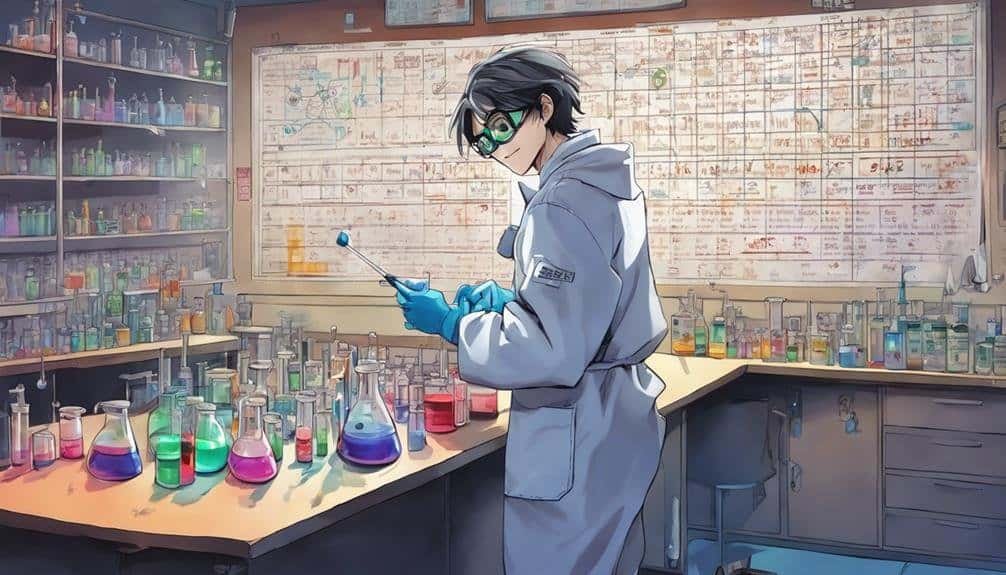
These aren't your stereotypical lab coat-wearing mad scientists (although, some might have wild hair days!). They're problem-solvers, innovators, and sometimes, accidental chefs on a grand scale.
The Grand Recipe Makers
Think of a chemical engineer as a master chef, but instead of creating a delicious meal, they're concocting everything from life-saving medicines to the plastics that make our smartphones possible.
Must Read
Their "recipes" involve understanding how different substances interact, figuring out the best ways to mix them, and then scaling it all up from a tiny test tube to a massive industrial plant. It's like trying to bake a cake that feeds an entire city!
And speaking of scaling up, imagine the chaos if you accidentally multiplied the amount of baking soda in your cake recipe by a thousand. That's the kind of "oops" a chemical engineer strives to avoid, with rigorous calculations and safety protocols.
From Lab Coats to Blueprints
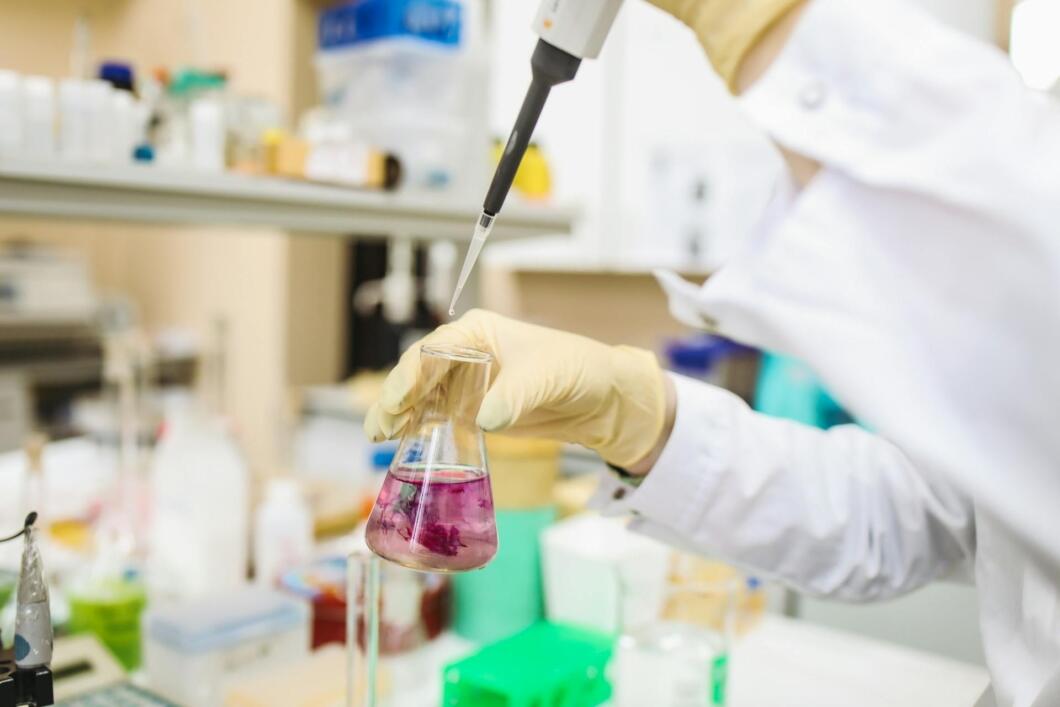
A chemical engineer's day can be surprisingly varied. One day, they might be huddled in a lab, meticulously analyzing samples and tweaking formulas.
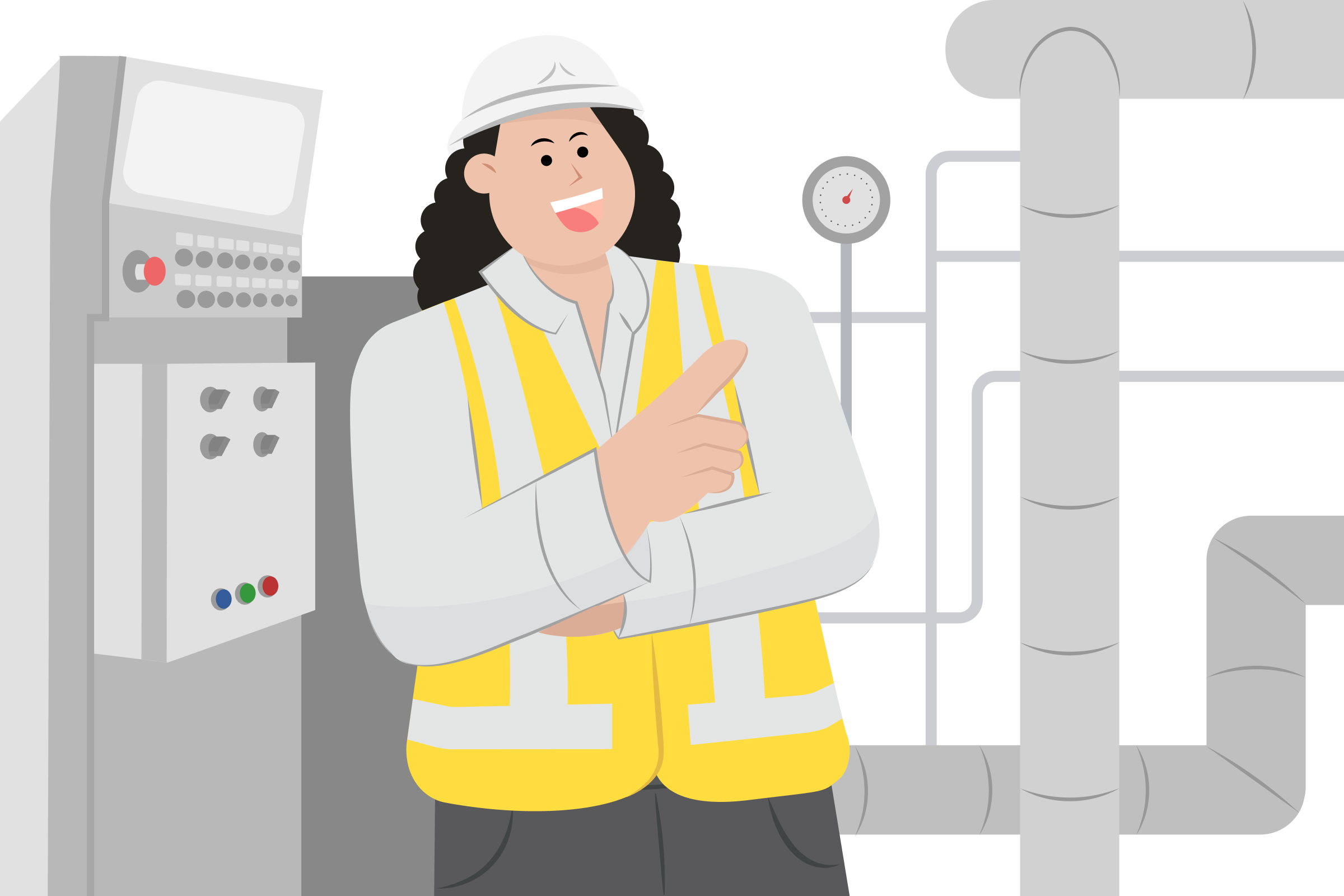
The next, they could be on a factory floor, troubleshooting a malfunctioning machine the size of a small house. They have to understand not just the chemistry, but also the engineering and the equipment that makes it all happen.
It’s a bit like being a doctor, mechanic, and architect all rolled into one. Except instead of patients, they have pipelines, and instead of buildings, they have chemical reactors.
The Art of Problem-Solving (and the Occasional Explosion… Maybe)
At the heart of it all, a chemical engineer is a problem-solver. They're constantly looking for ways to make processes more efficient, more sustainable, and safer.
This could involve anything from designing a new type of filter that removes pollutants from wastewater to developing a more energy-efficient way to produce fertilizer. It's all about finding creative solutions to complex challenges.
Okay, let’s be real, every now and then, a tiny, controlled "explosion" may occur (or a slightly unexpected bubbling of a solution). But it’s all part of the learning process, right? Safety first, always!
Designing for a Better World
One of the most rewarding aspects of being a chemical engineer is the opportunity to make a real difference in the world. They are increasingly involved in developing sustainable technologies.
They work on projects like renewable energy sources, biodegradable plastics, and more efficient ways to recycle materials. It’s like being a superhero, but instead of a cape, you wear safety goggles.
Imagine helping to create a world where pollution is minimized, resources are used responsibly, and everyone has access to clean water and affordable energy. That's the kind of impact a chemical engineer can have.
The Unsung Heroes of Everyday Life
So, the next time you reach for a tube of toothpaste, fill up your car with gas, or take a life-saving medication, remember the chemical engineers who made it all possible.
They're the unsung heroes of everyday life, working behind the scenes to create the products and technologies that we often take for granted. They turn raw materials into the things we need and use every single day.
They are "the magicians of molecules," transforming the mundane into the extraordinary.
Beyond the Beakers: A Day in the Life
A typical day for a chemical engineer can be surprisingly diverse. Let's imagine a hypothetical (and slightly exaggerated) scenario:
8:00 AM: Arrive at the office, grab a coffee (scientifically optimized for caffeine delivery, of course), and review overnight data from a pilot plant testing a new biofuel production process. Realize the reaction rate is lower than expected and mutter something about kinetics and mass transfer limitations.
9:00 AM: Attend a project meeting to discuss the design of a new chemical plant. Argue with the mechanical engineers about the optimal pipe diameter for fluid flow. They insist on aesthetics; you insist on minimizing pressure drop. It's a battle of form versus function.
10:30 AM: Don a hard hat and safety glasses for a site visit to the existing production facility. Investigate a strange odor emanating from a distillation column. Discover a clogged valve and promptly unclog it, earning the gratitude of the plant operators (and avoiding a potential environmental incident).
12:00 PM: Lunch break! Discuss the latest advancements in nanotechnology with colleagues while enjoying a sandwich made with bread that was probably optimized for texture and shelf life by… you guessed it, a chemical engineer.
1:00 PM: Back in the lab, conduct experiments to optimize the yield of a new pharmaceutical drug. Carefully measure out reagents, monitor reaction temperatures, and meticulously record data. Feel a surge of satisfaction when the results look promising.
3:00 PM: Prepare a presentation for management on the progress of a new process for recycling plastic waste. Use colorful charts and graphs to demonstrate the economic and environmental benefits of the technology. Hope they approve the funding for the next phase of development.
4:30 PM: Respond to emails, troubleshoot a simulation model that's giving nonsensical results, and plan experiments for the next day. Contemplate the vastness of the universe and the absurdity of trying to control molecules with such precision.
5:30 PM: Head home, feeling tired but satisfied. Reflect on the fact that your work, in some small way, is helping to make the world a better place. Or at least, making toothpaste taste a little bit better.

The Future is Chemical (Engineering)
The field of chemical engineering is constantly evolving, with new challenges and opportunities emerging all the time.
From developing new materials for advanced technologies to finding innovative solutions to climate change, chemical engineers are at the forefront of innovation.
So, if you're looking for a career that is challenging, rewarding, and makes a real difference in the world, consider becoming a chemical engineer. You might just be surprised at what you can accomplish!
Is Chemical Engineering Right for You?
Do you enjoy solving problems? Are you fascinated by how things work? Do you have a knack for math and science? If so, chemical engineering might be the perfect fit.
It's a challenging field, but it's also incredibly rewarding. You'll have the opportunity to work on cutting-edge technologies, make a positive impact on the world, and earn a good living (which is always a plus).
And who knows, maybe one day you'll be the one developing the next generation of life-saving medicines, sustainable energy sources, or perfectly fizzy sodas. The possibilities are endless!